
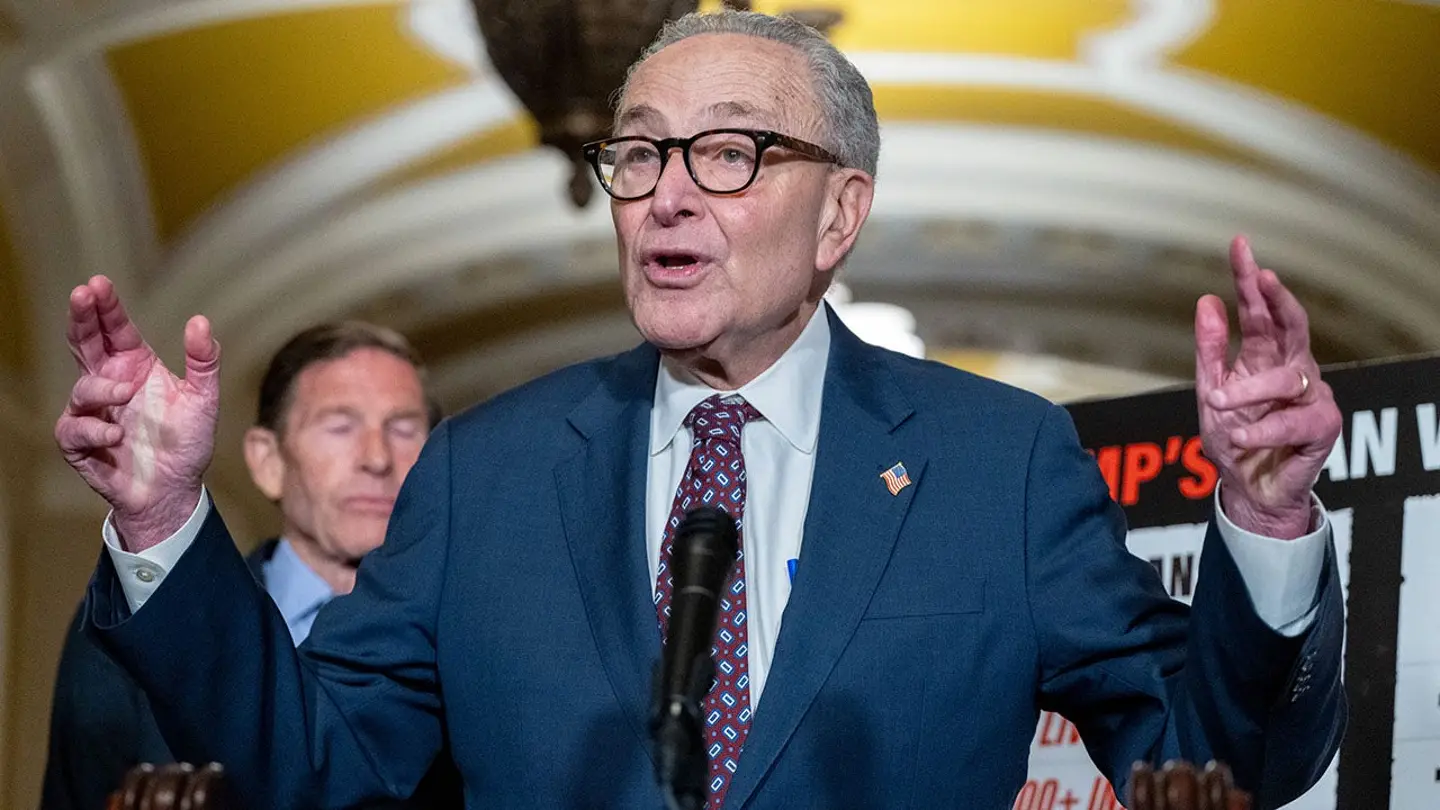
The National Defense Authorization Act vote has once again become one of the most closely watched issues on Capitol Hill. Every year, lawmakers debate and negotiate the legislation that authorizes funding levels, military priorities, weapons programs, troop benefits, and national security initiatives. While the NDAA has historically enjoyed broad bipartisan support, this year’s negotiations have turned increasingly contentious.
A major point of controversy centers on what many Republicans describe as the Senate Democrats NDAA blockage, accusing Democratic senators of delaying or preventing movement on the annual defense bill over disagreements involving amendments, spending priorities, and broader political disputes.
The latest standoff highlights the growing polarization in Congress, where even legislation traditionally considered bipartisan has become entangled in broader political battles. Here’s everything to know about the latest National Defense Authorization Act vote, why Senate Democrats are facing criticism, and what the outcome could mean for the U.S. military.
What Is the National Defense Authorization Act?
The National Defense Authorization Act (NDAA) is one of Congress’s most significant annual pieces of legislation. Rather than directly appropriating money, it authorizes defense programs and establishes policies governing the Department of Defense.
The bill typically includes provisions covering:
- Military personnel pay raises
- Procurement of aircraft, ships, and military equipment
- National security priorities
- Cybersecurity investments
- Military readiness
- Research and development
- Overseas military operations
- Support for service members and their families
Congress has passed some version of the NDAA for more than six decades, making it one of the few major bills consistently approved each year despite political disagreements.
Why the National Defense Authorization Act Vote Matters
The annual National Defense Authorization Act vote serves as more than just a funding measure. It signals Congress’s priorities regarding national security and military preparedness.
Military leaders rely on timely passage of the legislation to:
- Plan future operations
- Modernize weapons systems
- Expand cybersecurity capabilities
- Improve troop readiness
- Recruit and retain service members
- Address emerging global threats
Failure to pass the NDAA on schedule can create uncertainty for defense planning, although essential military operations generally continue through separate appropriations processes.
Senate Democrats NDAA Blockage Explained
Much of the current debate revolves around allegations of Senate Democrats NDAA blockage.
Republican lawmakers argue Democrats have slowed consideration of the defense bill by objecting to procedural motions, seeking additional negotiations, or insisting on votes regarding unrelated policy issues.
Democratic senators, meanwhile, reject claims that they are attempting to block the legislation altogether. Instead, they argue they are exercising normal Senate procedures to ensure adequate debate and consideration of amendments.
The disagreement reflects larger tensions over how Congress handles major legislation.
Republicans have argued that defense bills should remain focused strictly on military priorities, while Democrats have pushed for broader discussions on issues they believe affect national security and military personnel.
Key Issues Behind the Dispute
Several policy disagreements have contributed to the current standoff.
Defense Spending
One of the biggest debates involves overall defense spending levels.
Some lawmakers support increasing military funding to respond to global security challenges, while others favor tighter fiscal controls and more targeted investments.
Military Policy Amendments
Contentious amendments frequently become sticking points during NDAA negotiations.
These may include proposals related to:
- Military readiness
- Personnel policies
- Emerging technologies
- Border security
- Procurement reforms
- Oversight requirements
Disagreements over whether these amendments receive votes often delay Senate action.
Senate Procedures
Unlike the House of Representatives, the Senate often requires unanimous consent agreements or extensive negotiations before major legislation advances.
As a result, even relatively small procedural objections can significantly slow progress.
Republican Criticism
Republican leaders have argued that delaying the defense authorization bill sends the wrong message to U.S. allies and adversaries alike.
They contend that national security legislation should remain above partisan politics and receive prompt consideration regardless of broader political disagreements.
Some Republicans have specifically accused Senate Democrats of using procedural tactics to gain leverage on unrelated legislative priorities.
They argue that such delays create unnecessary uncertainty for military planners and defense contractors.
Democratic Response
Democratic senators reject claims that they are intentionally blocking defense legislation.
Instead, they argue that:
- The Senate should thoroughly debate major legislation.
- Members deserve opportunities to offer amendments.
- National security policy benefits from careful review rather than rushed passage.
- Bipartisan negotiations ultimately produce stronger legislation.
Many Democrats note that procedural disputes occur under both Republican and Democratic Senate majorities.
How the Legislative Process Works
The NDAA typically follows several steps before becoming law.
- Committee approval
- House passage
- Senate consideration
- Conference committee negotiations
- Final House vote
- Final Senate vote
- Presidential signature
If the House and Senate pass different versions, negotiators must reconcile the differences before sending a final bill to the president.
Because of this process, temporary delays during Senate consideration do not necessarily mean the legislation will fail.
Potential Impact on the Military
While short-term legislative delays are relatively common, prolonged uncertainty can complicate long-term defense planning.
Potential effects include:
- Delayed modernization programs
- Procurement uncertainty
- Contract planning challenges
- Budget forecasting difficulties
- Administrative delays for new military initiatives
However, military operations generally continue under existing authorities while Congress completes the legislative process.
Why This Debate Matters Politically
The dispute surrounding the National Defense Authorization Act vote also reflects broader political dynamics ahead of upcoming elections.
Republicans hope to portray themselves as prioritizing national security and military readiness.
Democrats argue they are protecting the Senate’s legislative process while ensuring accountability and responsible policymaking.
Because defense issues traditionally enjoy bipartisan support, disagreements over the NDAA often receive heightened political attention.
The debate may also influence campaign messaging as candidates seek to demonstrate strong national security credentials.
What Happens Next?
The future of the legislation depends on continued negotiations between Senate leaders.
Lawmakers will likely continue discussing:
- Amendment agreements
- Debate schedules
- Final defense spending levels
- Policy compromises acceptable to both parties
If negotiators reach an agreement, the Senate can proceed to the final National Defense Authorization Act vote, after which differences with the House version would be resolved before the bill reaches the president.
Although political tensions remain high, history suggests Congress generally finds a path forward on the annual defense authorization bill given its importance to national security.
Conclusion
The latest National Defense Authorization Act vote has become more than a routine legislative exercise. Accusations surrounding the Senate Democrats NDAA blockage underscore the increasingly polarized environment in Congress, where even traditionally bipartisan defense legislation can become the center of procedural and political disputes.
Republicans argue delays threaten military readiness, while Democrats maintain they are protecting the Senate’s deliberative process and ensuring meaningful debate. Despite these disagreements, lawmakers from both parties broadly recognize the importance of passing the NDAA to provide policy guidance for the Department of Defense and support America’s armed forces.
As negotiations continue, the outcome will shape defense policy, military modernization, and congressional priorities for the coming fiscal year, making this year’s NDAA vote one of the most significant legislative battles on Capitol Hill.
Want to understand how shifting voter sentiment could shape Washington’s political landscape? Read our in-depth coverage of Latest Trump Approval Rating Poll Signals Growing Public Discontent for the latest polling trends, voter concerns, and what they could mean for the Trump administration and upcoming elections.
.