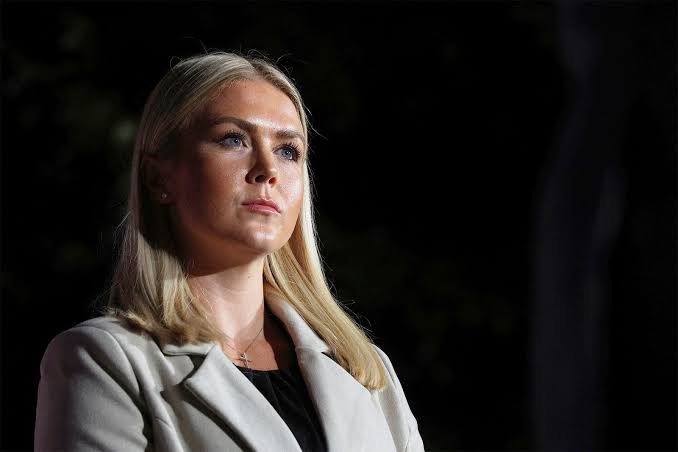
As President Donald Trump prepared to deliver a nationally televised primetime address focused on election security and voting systems, White House Press Secretary Karoline Leavitt returned to the briefing room to outline the administration’s message and defend the president’s decision to revisit election-related issues. The briefing, held just hours before Trump’s speech, drew intense attention from reporters, lawmakers, and political analysts because it signaled that election integrity would once again become a central issue for the White House ahead of the 2026 midterm elections.
Leavitt’s appearance also marked her first official White House press briefing after returning from maternity leave following the birth of her second child in May. Her return underscored the administration’s desire to have its chief spokesperson set expectations before one of the most anticipated presidential speeches of the year.
White House Sets the Stage for Trump’s Address
During the briefing, Leavitt described Trump’s upcoming remarks as an important address on election security, transparency, and protecting the integrity of American elections. She argued that Americans deserve answers about past election concerns and insisted that the administration believes election confidence remains a critical issue for voters.
According to Leavitt, the president intended to present what she described as new information regarding election security while outlining why the administration continues to support stricter voting standards ahead of the 2026 congressional elections.
Although the White House offered only limited details about the contents of Trump’s speech, officials suggested it would focus on voting machines, election procedures, and broader reforms that Republicans have promoted since returning to office.
Leavitt Defends Trump’s Continued Focus on 2020
One of the central moments of the briefing came when reporters questioned why President Trump continues to discuss the 2020 presidential election nearly six years later.
Leavitt defended the president’s position, saying that many Americans still have concerns about election integrity and deserve transparency from their government. She rejected suggestions that Trump’s focus was backward-looking, arguing instead that understanding previous election issues is essential to protecting future elections.
Her remarks echoed the administration’s broader messaging that election reforms remain necessary despite repeated court rulings and investigations that found no evidence of widespread fraud sufficient to overturn the 2020 election results.
Questions About the Primetime Speech
Reporters repeatedly pressed Leavitt about whether Trump would provide evidence supporting his long-standing election claims.
She declined to preview specific details, instead encouraging Americans to watch the president’s address later that evening.
Leavitt maintained that Trump’s speech would contain significant information related to election security and argued that the administration has a responsibility to inform the public about potential threats to America’s voting systems.
The White House also declined to confirm reports that intelligence regarding alleged foreign election interference would be discussed during the address.
Election Security Becomes a Midterm Issue
The briefing reflected how election security has become one of the defining political themes ahead of the 2026 midterm elections.
Republicans have continued advocating for stronger voter identification laws, citizenship verification requirements, and tighter federal oversight of election administration. The administration has also expressed support for legislation that would require proof of citizenship when registering to vote.
Democrats, meanwhile, argue that many of these proposals could make voting more difficult for eligible citizens while continuing to promote unfounded concerns about election fraud.
That divide was evident throughout Leavitt’s exchange with reporters, with questions frequently returning to whether the administration’s messaging could undermine public confidence in future elections.
Democratic Leaders Push Back
Even before Trump’s speech began, Democratic lawmakers criticized the White House’s messaging.
Several party leaders argued that revisiting disputed election claims distracts from more immediate issues facing Americans, including inflation, healthcare, and national security.
Some Democrats also expressed concern that another presidential address centered on election conspiracies could increase political polarization ahead of the November elections.
Republicans largely defended Trump’s decision, saying election integrity remains a legitimate issue that deserves continued public discussion.
Leavitt’s Return to the White House Podium
Beyond the political headlines, Thursday’s briefing marked an important personal milestone for Leavitt.
After several months away from the podium on maternity leave, she resumed her role as White House press secretary and immediately found herself handling one of the administration’s most closely watched news conferences.
Leavitt previously made history as the youngest White House press secretary and the first to openly navigate pregnancy while serving in the position. Her return demonstrated the administration’s confidence in her ability to communicate its priorities during politically sensitive moments.
Throughout the briefing, she maintained the assertive communication style that has characterized her tenure, frequently challenging reporters’ questions while emphasizing the administration’s commitment to its policy agenda.
Administration Highlights Broader Priorities
Although much of the briefing focused on Trump’s upcoming speech, Leavitt also addressed several other administration priorities.
She briefly discussed immigration enforcement, border security, foreign policy developments, and preparations for upcoming presidential events.
However, election security remained the dominant subject, reflecting the administration’s effort to make the issue a central part of its political strategy heading into the midterm campaign season.
Political Stakes Ahead of the Midterms
Political analysts say Trump’s decision to devote a primetime address to election issues highlights how central the subject remains within Republican politics.
Supporters argue that strengthening election safeguards is essential for restoring public confidence, while critics contend that repeatedly raising disputed claims risks weakening trust in democratic institutions.
Leavitt’s briefing served as the administration’s opening argument before the president’s televised speech, giving reporters and the public an early indication of the themes Trump planned to emphasize later in the evening.
Whether the address ultimately reshapes public opinion remains uncertain, but it has already intensified debate over election security, voting reforms, and the direction of national politics as both parties prepare for the 2026 midterm elections.
Conclusion
Karoline Leavitt’s return to the White House briefing room came at a pivotal political moment. Her defense of President Trump’s continued emphasis on election integrity underscored the administration’s determination to keep voting issues at the forefront of national debate. As Trump prepared for his primetime address, the briefing offered a preview of the White House’s broader strategy—framing election security as a defining issue for the months leading up to the 2026 midterm elections. With both parties sharply divided over voting policy and democratic institutions, the discussion surrounding Trump’s speech is likely to continue well beyond a single evening. (Reuters)