Introduction
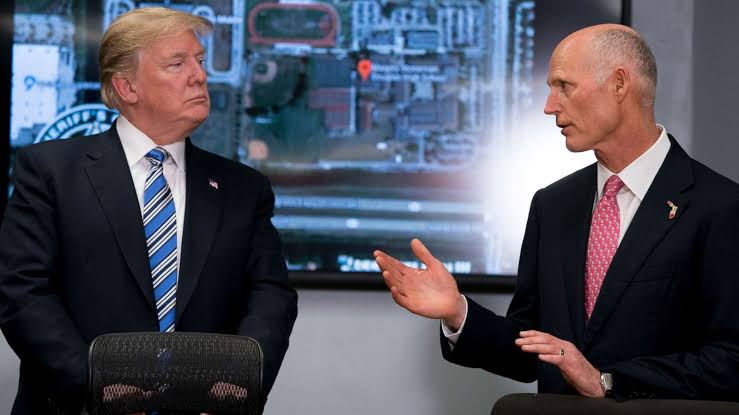
The political relationship between Rick Scott and Donald Trump continues to draw attention as Republican Party strategy evolves ahead of upcoming election cycles. Reports of meetings and discussions between the two figures have fueled speculation about party unity, policy alignment, and electoral coordination within the GOP.
While both leaders already maintain strong influence within conservative politics, any interaction between them tends to carry broader implications—especially regarding Senate control, presidential endorsements, and campaign messaging.
This article explores the significance of a Rick Scott–Donald Trump meeting, the political context behind it, and what it could mean for the Republican Party’s future direction.
Background: Rick Scott and Donald Trump in the GOP Landscape
Rick Scott, a former Florida governor and current U.S. senator, has positioned himself as a strong fiscal conservative and a key voice in Republican Senate leadership. Donald Trump, meanwhile, remains the dominant figure in the Republican Party, shaping endorsements, voter sentiment, and national strategy.
Despite occasional policy differences, both leaders share common ground on issues such as tax cuts, immigration enforcement, deregulation, and “America First” economic policies.
Because of this overlap, meetings between them are often viewed as more than routine political conversations—they are seen as signals of broader coordination within the GOP.
Why a Rick Scott Donald Trump Meeting Matters
A meeting between Rick Scott and Donald Trump is politically significant for several reasons:
1. Senate Control Strategy
One of the most important factors in U.S. politics is control of the Senate. Rick Scott, as a former National Republican Senatorial Committee (NRSC) chair, has played a major role in Republican Senate campaigns. Discussions with Trump could center around:
- Candidate endorsements
- Fundraising strategy
- Competitive Senate races
- Messaging for swing states
Trump’s endorsement power can heavily influence primary outcomes, making coordination between the two highly strategic.
2. Republican Party Unity
The GOP has faced internal divisions in recent years between establishment conservatives and Trump-aligned populists. Meetings between Scott and Trump are often interpreted as attempts to bridge or manage those divides.
A unified message is critical for:
- National elections
- Voter turnout
- Donor confidence
- Policy coherence
Even symbolic alignment between major figures helps reinforce party unity.
3. 2026 Election Positioning
Although attention often focuses on presidential cycles, midterm elections like 2026 are crucial. If Republicans aim to expand or defend congressional control, early planning is essential.
A Rick Scott–Trump meeting could involve:
- Early candidate recruitment
- State-by-state targeting strategies
- Messaging on inflation, border security, and economic growth
- Coordination with PACs and campaign committees
Such discussions often shape long-term electoral infrastructure.
Policy Alignment and Key Issues
Both Scott and Trump generally align on core Republican priorities, which likely serve as the foundation of any meeting discussions.
Economic Policy
Both leaders advocate for:
- Lower taxes
- Reduced federal spending
- Pro-business regulation reform
- Energy independence
Rick Scott has frequently emphasized fiscal responsibility, while Trump focuses on growth-driven tax policies. These perspectives often converge in campaign messaging.
Immigration and Border Security
Immigration remains a central Republican issue. Trump’s policies during his presidency emphasized stricter border control, while Scott has supported similar enforcement-focused reforms.
A meeting between the two may involve:
- Border security proposals
- Federal immigration enforcement strategies
- Messaging coordination for voters concerned about immigration
Foreign Policy and National Security
Although Scott is primarily a domestic policy-focused senator, alignment with Trump’s “America First” foreign policy approach is common in GOP discussions.
Topics may include:
- U.S.–China relations
- Defense spending priorities
- NATO burden-sharing
- Middle East strategy
Political Messaging and Media Impact
Any reported interaction between Rick Scott and Donald Trump generates significant media coverage. This is due to Trump’s continued influence over public discourse and Scott’s role in Senate leadership.
Media narratives often focus on:
- Whether Scott is aligning more closely with Trump
- How GOP Senate candidates respond to Trump’s influence
- Potential endorsements for key races
- Internal party dynamics
Even brief meetings can become politically symbolic, shaping perceptions among voters and donors.
Impact on Florida and National Politics
Florida remains one of the most politically important states in the United States. As a former governor of Florida, Rick Scott has deep political roots in the state, while Trump also maintains strong support there.
A meeting between the two can influence:
- Florida Senate races
- State Republican Party direction
- Voter turnout among conservative bases
- Fundraising networks in the Southeast
Nationally, coordination between Scott and Trump could also impact battleground states such as Pennsylvania, Wisconsin, and Arizona.
Fundraising and Donor Networks
Another key aspect of GOP leadership meetings is fundraising. Both Scott and Trump have access to major donor networks, including:
- High-net-worth conservative donors
- Corporate PACs (within legal limits)
- Grassroots fundraising platforms
- Super PAC coordination groups
Collaboration between them can significantly increase financial strength for Republican campaigns.
Strategic Differences and Political Tensions
While both leaders align on many issues, they are not identical in political style or strategy.
Potential differences include:
- Scott’s emphasis on structured policy proposals vs. Trump’s message-driven approach
- Senate institutional priorities vs. executive-style leadership
- Tactical disagreements over candidate endorsements in certain primaries
However, these differences are often secondary to broader party goals.
Conclusion
A meeting between Rick Scott and Donald Trump represents more than a routine political discussion. It reflects ongoing efforts to shape Republican strategy, unify party messaging, and prepare for upcoming election cycles.
Whether focused on Senate control, policy alignment, or campaign coordination, such interactions underscore the continued influence of both figures in American conservative politics.
As the GOP navigates internal divisions and prepares for future elections, the relationship between Trump and Scott will remain an important factor in shaping strategy, messaging, and electoral outcomes.