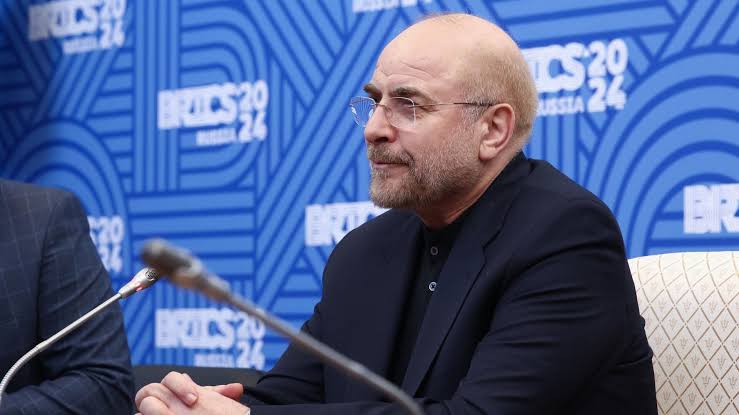
In one of the most dramatic developments in Middle East diplomacy, reports have claimed that senior U.S. officials privately warned Iran about an alleged Israeli plan to assassinate two of its top negotiators—Iranian Parliament Speaker Mohammad Bagher Ghalibaf and Foreign Minister Abbas Araghchi. While the claims have not been officially confirmed by either Israel or Iran, multiple international media outlets have reported that Washington feared such actions could derail sensitive diplomatic negotiations and trigger a wider regional conflict.
The reports have placed Mohammad Bagher Ghalibaf at the center of global attention once again, highlighting his growing influence in Iran’s political and security establishment.
Who Is Mohammad Bagher Ghalibaf?
Mohammad Bagher Ghalibaf is one of Iran’s most influential conservative politicians. A former commander in the Islamic Revolutionary Guard Corps (IRGC), former national police chief, and former mayor of Tehran, he currently serves as Speaker of Iran’s Parliament.
Throughout his career, Ghalibaf has been closely associated with Iran’s security institutions and has repeatedly played key roles during periods of domestic unrest and regional tensions. His political influence has grown significantly in recent years, making him one of Tehran’s most powerful decision-makers.
His prominence also makes him an important figure in Iran’s negotiations with foreign governments on security and strategic issues.
Why Was Ghalibaf Allegedly Targeted?
According to recent reports from The Washington Post and The New York Times, U.S. intelligence officials became concerned that Israel might attempt to eliminate Iran’s top negotiators during sensitive diplomatic discussions.
The reports claim that both Mohammad Bagher Ghalibaf and Foreign Minister Abbas Araghchi were viewed as potential assassination targets because of their central role in negotiations involving regional security and efforts to reduce military tensions.
According to these accounts:
- The United States allegedly warned Iranian officials through intermediaries.
- Washington feared targeted killings would completely collapse ongoing negotiations.
- U.S. officials reportedly believed diplomacy had a better chance of preventing a broader regional war.
Neither the U.S. government nor Israel has publicly confirmed every detail contained in these reports.
The Reported U.S. Warning
The reported warning reportedly came during an especially fragile period of diplomacy.
According to media reports, American officials quietly communicated concerns through regional partners rather than directly contacting Tehran.
Their reported objective was simple:
- Prevent escalation.
- Protect ongoing diplomatic negotiations.
- Avoid a regional conflict involving multiple countries.
The reports suggest Washington viewed negotiations as too important to risk losing key Iranian officials involved in the talks.
Pakistan Visit and Security Concerns
One of the most widely discussed parts of the reports involves Ghalibaf’s visit to Pakistan.
According to reporting, Iranian security officials allegedly became concerned while Ghalibaf was returning home. His aircraft reportedly changed plans amid fears of a possible Israeli operation.
Some reports claim he ultimately completed part of his journey by land after landing inside Iran due to perceived security risks. These details remain based on media reporting and have not been independently verified by official governments involved.
Why Is Mohammad Bagher Ghalibaf Important?
Understanding why Ghalibaf would matter requires examining his influence inside Iran.
He represents far more than a parliamentary leader.
His background includes:
- Former IRGC commander
- Former Iranian Police Chief
- Former Mayor of Tehran
- Current Speaker of Parliament
- Senior conservative political strategist
Because of these roles, Ghalibaf has extensive connections across Iran’s political, military, and security institutions.
Analysts frequently describe him as one of the country’s most influential policymakers.
Israel’s Strategy Toward Iranian Leadership
Israel has long pursued operations aimed at weakening Iran’s military capabilities and limiting the influence of organizations it considers hostile.
Over the past several years, numerous senior Iranian military officers, nuclear scientists, and regional commanders have reportedly been killed in operations widely attributed to Israel, although Israel often neither confirms nor denies such actions.
The latest reports suggest U.S. officials feared any attempt to target negotiators like Ghalibaf or Araghchi during active diplomacy would dramatically increase tensions.
Impact on Regional Diplomacy
The alleged warning demonstrates how fragile Middle East diplomacy remains.
Negotiations involving Iran frequently include multiple international stakeholders, including:
- The United States
- Gulf Arab states
- European governments
- Regional mediators
If senior negotiators were removed during active discussions, diplomatic channels could collapse quickly.
That possibility reportedly motivated Washington to issue its warning.
Iranian Response
Iran has not publicly confirmed receiving the alleged U.S. warning.
However, Iranian officials have continued emphasizing national security while insisting the country will not negotiate under threats.
Ghalibaf himself has repeatedly delivered strong public statements defending Iran’s strategic positions and warning against foreign pressure.
His comments frequently emphasize national sovereignty and resistance against external military threats.
International Reactions
International observers have reacted cautiously.
Some analysts argue the reports demonstrate that even close allies like the United States and Israel can disagree over tactics during sensitive diplomatic moments.
Others believe the reports illustrate Washington’s desire to prevent an uncontrollable regional war.
Regardless of political interpretation, the allegations have renewed global attention on the delicate balance between military operations and diplomatic negotiations in the Middle East.
Are the Assassination Claims Confirmed?
At present, the allegations remain based on reporting by major international news organizations citing unnamed officials.
Important points to remember include:
- Israel has not officially confirmed any assassination plan.
- Iran has not publicly verified receiving the warning.
- The United States has not released detailed official documentation supporting the reports.
Readers should therefore view the claims as reported allegations, not established facts.
What Happens Next?
The reports may have lasting implications for future diplomacy involving Iran.
If accurate, they reveal that Washington was willing to intervene behind the scenes to protect ongoing negotiations from potential disruption.
Whether these diplomatic efforts ultimately reduce regional tensions remains uncertain.
For Mohammad Bagher Ghalibaf, however, the reports underscore his growing strategic importance. Once known primarily as a military commander and Tehran mayor, he is now portrayed as one of Iran’s key political figures whose role extends well beyond domestic politics into high-stakes international negotiations.
Conclusion
Mohammad Bagher Ghalibaf’s reported inclusion among alleged Israeli assassination targets has intensified international scrutiny of Middle East diplomacy. While the claims remain unconfirmed by the governments involved, multiple reputable news organizations report that U.S. officials privately warned Iran about perceived risks to Ghalibaf and Foreign Minister Abbas Araghchi during sensitive negotiations. The episode highlights both Ghalibaf’s political significance and the precarious nature of diplomacy in a region where military actions and negotiations often unfold simultaneously. As further official information emerges, the story is likely to remain a major focus of international affairs reporting. (The Washington Post)