The White House.gov is the official website of the Executive Office of the President of the United States. It serves as the primary online platform for presidential announcements, executive actions, policy updates, speeches, press briefings, and information about the White House itself. Whether you are a student, journalist, researcher, or simply interested in U.S. government affairs, The White House.gov provides reliable and authoritative information directly from the federal government.
Unlike news websites or social media platforms, The White House.gov publishes official statements and documents that reflect the administration’s positions and decisions. This makes it one of the most trusted sources for anyone following American politics and government.
In this guide, we’ll explore the history, purpose, key features, and importance of The White House.gov while explaining how visitors can use the website effectively.
What Is The White House.gov?
The White House.gov is the official website of the White House and the President of the United States. Managed by the Executive Office of the President, it provides the public with direct access to government information and presidential communications.
The website includes:
- Presidential news
- Executive orders
- Presidential memoranda
- Proclamations
- Press releases
- Fact sheets
- Briefing room updates
- Policy initiatives
- Information about the First Family
- White House history
- Public engagement opportunities
Because it is a government website ending in “.gov,” the information published there comes directly from the federal government.
History of The White House.gov
The White House first established an official website in 1994 during President Bill Clinton’s administration. Since then, every administration has maintained and updated the site to communicate directly with the American public.
Each incoming administration redesigns portions of the website while preserving archived content from previous presidencies. Older versions remain accessible through the National Archives, allowing researchers and historians to review past administrations’ official communications.
Today, The White House.gov has evolved into a comprehensive digital platform offering documents, multimedia content, and real-time updates on presidential activities.
Why The White House.gov Matters
In today’s fast-moving news environment, misinformation can spread quickly. The White House.gov serves as an official source that allows readers to verify presidential announcements without relying solely on media reports.
Key reasons why the website is important include:
Official Government Information
Executive orders, presidential proclamations, and policy announcements are published directly on the site.
Transparency
The website helps increase transparency by providing official speeches, press briefings, and fact sheets.
Historical Record
Every administration leaves behind a digital archive documenting major events, decisions, and initiatives.
Public Access
Citizens can learn about government priorities, national initiatives, and presidential activities without needing special access.
Key Sections of The White House.gov
1. Briefing Room
The Briefing Room is one of the most visited sections.
It includes:
- Executive orders
- Presidential actions
- Statements
- Press releases
- Fact sheets
- Speeches
- Press briefings
Journalists frequently monitor this section for breaking government announcements.
2. Presidential Actions
This section contains official executive actions signed by the President.
Examples include:
- Executive Orders
- Presidential Memoranda
- Proclamations
- Notices
These documents often have immediate legal or administrative effects.
3. Issues and Policies
Visitors can explore the administration’s priorities across major policy areas such as:
- Economy
- National security
- Immigration
- Healthcare
- Education
- Energy
- Climate
- Technology
- Foreign policy
Each page outlines the administration’s goals and current initiatives.
4. Administration
This section introduces senior White House officials and Cabinet members.
Users can learn about:
- The President
- The Vice President
- Cabinet Secretaries
- Senior Advisors
- White House Offices
Biographies and official responsibilities are also included.
5. The White House
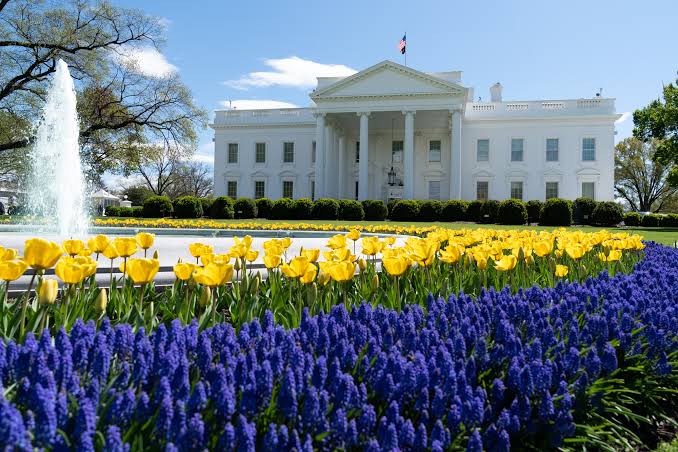
This section focuses on the building itself.
Visitors can find information about:
- White House history
- Architecture
- State rooms
- Presidents who lived there
- Historical events
Educational resources make it especially useful for students.
Can You Tour the White House?
Yes.
The White House offers public tours, although requests must be submitted well in advance through a Member of Congress for U.S. citizens or through an embassy for eligible international visitors.
The website explains:
- Tour eligibility
- Security procedures
- Visitor guidelines
- Tour schedules
Availability depends on security and official events.
Educational Resources
The White House.gov includes educational materials that explain:
- The U.S. Constitution
- Presidential responsibilities
- American democracy
- Civic engagement
- National history
Teachers and students often use these resources for classroom learning.
Accessibility Features
The website is designed to be accessible for all users.
Features include:
- Screen reader compatibility
- Keyboard navigation
- Alternative image descriptions
- Responsive mobile design
- Language accessibility improvements
Accessibility remains an important part of federal digital services.
How Journalists Use The White House.gov
Reporters covering politics rely heavily on The White House.gov because it provides official documents immediately after publication.
Common uses include:
- Verifying presidential statements
- Downloading executive orders
- Reading policy fact sheets
- Accessing official transcripts
- Monitoring press schedules
Although journalists also attend press briefings, the website serves as the permanent public record.
White House Press Releases
Press releases published on The White House.gov often explain:
- New legislation
- International meetings
- National emergencies
- Economic announcements
- Military actions
- Executive branch initiatives
Many include background information to provide additional policy context.
Executive Orders Explained
One of the most searched features is Executive Orders.
An Executive Order is a directive issued by the President to manage operations of the federal government.
Each Executive Order published on The White House.gov includes:
- Order number
- Date
- Legal authority
- Full official text
Researchers often reference these documents when analyzing presidential actions.
Is The White House.gov Reliable?
Yes.
Because it is operated by the Executive Office of the President, it is considered the official source for presidential communications.
However, users should understand that the site reflects the current administration’s policies and viewpoints. For broader analysis, readers often compare official documents with reporting from independent news organizations and academic sources.
The White House.gov and Social Media
The White House also shares updates through official social media accounts, but the website remains the primary source for complete documents.
Many social media posts link back to:
- Speeches
- Fact sheets
- Executive orders
- Press releases
- Presidential remarks
This ensures readers can access full context rather than short summaries.
Tips for Using The White House.gov
To make the most of the website:
- Use the search bar to locate executive orders or speeches.
- Visit the Briefing Room for the latest announcements.
- Check Presidential Actions for newly signed directives.
- Explore policy pages for official administration priorities.
- Read historical sections to learn about past presidents and the White House.
- Review visitor information before planning a White House tour.
Frequently Asked Questions
What is The White House.gov?
It is the official website of the Executive Office of the President of the United States, providing presidential news, executive actions, and policy information.
Is The White House.gov free to use?
Yes. The website is publicly accessible without any subscription or registration.
Can I read executive orders on The White House.gov?
Yes. Executive orders are published in full, along with proclamations, memoranda, and other presidential actions.
Does every President use The White House.gov?
Yes. Every modern U.S. administration maintains the official website, while previous versions are archived for historical reference.
Can I request a White House tour through the website?
The website provides instructions, eligibility requirements, and visitor information, but tour requests must generally be submitted through a Member of Congress or an appropriate embassy.
Conclusion
The White House.gov is much more than a government website—it is the official digital gateway to the Presidency of the United States. From executive orders and policy announcements to historical archives and visitor information, it provides authoritative resources for citizens, journalists, educators, and researchers alike.
As political news continues to move rapidly, The White House.gov remains one of the most dependable places to verify official presidential actions and understand the priorities of the current administration. Whether you’re tracking executive decisions, studying American government, or planning a White House visit, the site offers trusted information directly from the source.
Want to learn more about one of South Carolina’s best-known former lawmakers? Read our detailed guide on Trey Gowdy: Age, Net Worth, Wife, Education, 2026 to explore his legal career, political journey, family life, education, and estimated net worth in 2026.