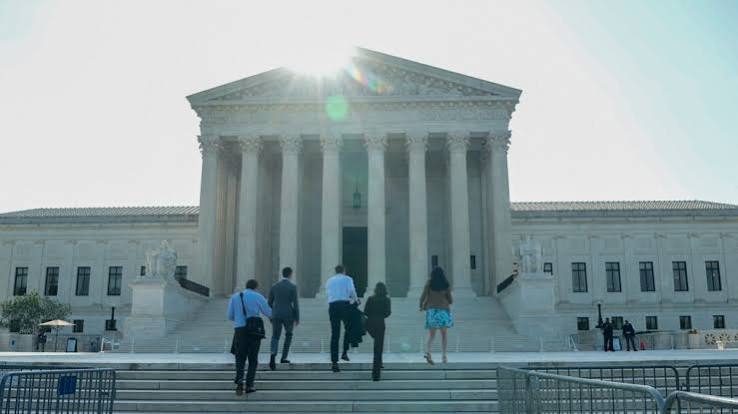
The mail-in ballots Supreme Court ruling is one of the most significant election law decisions in recent years. In a closely watched 5-4 decision issued on June 29, 2026, the Supreme Court of the United States ruled that states may continue counting mail-in ballots received after Election Day, provided those ballots were legally cast and postmarked by Election Day under state law. The decision settles a major legal dispute that could have affected election administration in dozens of states before the 2026 midterm elections.
The ruling has immediate implications for election officials, political parties, and voters, while also shaping how future election contests involving absentee voting may unfold.
Supreme Court Mail-In Ballots Ruling Explained
The case centered on a Mississippi law allowing absentee ballots that are postmarked by Election Day to be counted if they arrive within five business days afterward.
Republican plaintiffs argued that federal law requires all ballots in federal elections to be received by Election Day. Mississippi officials and voting rights advocates countered that federal law establishes when voters must cast their ballots—not when election officials must receive or count them.
In its majority opinion, the Supreme Court agreed with Mississippi’s position, concluding that states retain authority to establish reasonable ballot receipt deadlines as long as ballots are legally cast by Election Day.
Why the Case Was Important
The lawsuit attracted national attention because roughly 30 states and Washington, D.C., have some form of grace period for counting absentee ballots received after Election Day.
Had the Court ruled differently, many states would have been forced to revise election procedures just months before congressional elections.
Election administrators warned that changing long-established voting rules so close to an election could create confusion for voters and increase litigation.
The Court’s decision avoids those immediate disruptions while preserving existing state election systems.
The Majority Opinion
Justice Amy Coney Barrett authored the majority opinion.
She was joined by Chief Justice John Roberts and the Court’s three liberal justices, creating an unusual bipartisan majority.
The Court concluded that:
- Federal election laws establish Election Day as the deadline for casting ballots.
- Congress did not explicitly require ballots to arrive by Election Day.
- States have constitutional authority to administer elections unless Congress clearly limits that authority.
- Existing state laws allowing limited grace periods remain valid.
The majority also pointed to historical election practices showing that absentee ballots have long been treated differently from in-person votes.
The Dissent
Justice Samuel Alito wrote the principal dissent.
He argued that federal statutes establishing a single Election Day should be interpreted to require ballots to be received—not merely mailed—by that date.
The dissent warned that allowing ballots to arrive after Election Day could create uncertainty regarding election results.
Although the dissent did not prevail, it highlights the continuing legal debate over absentee voting rules and election administration.
Impact on Election Contests
One of the most significant consequences of the decision involves future election contests.
Candidates frequently challenge election outcomes when margins are extremely close.
Before this ruling, there was uncertainty over whether courts would invalidate ballots arriving after Election Day even if state law allowed them.
The Supreme Court has now provided greater legal certainty.
Future election contests involving timely mailed ballots will likely focus on whether ballots satisfy state requirements rather than questioning whether grace periods themselves violate federal law.
This clarification may reduce some litigation while leaving room for disputes involving ballot verification, signatures, and postmarks.
Effect on States
The decision particularly affects states that already count late-arriving absentee ballots.
Many states adopted these policies to accommodate:
- Postal delays
- Military voters
- Overseas citizens
- Rural communities
- Natural disasters affecting mail delivery
Because the Court upheld these practices, election officials will not need to redesign voting systems before upcoming elections.
States that require ballots to arrive by Election Day remain free to maintain stricter rules, illustrating the decentralized nature of U.S. election administration.
Political Reactions
The decision produced sharply divided political reactions.
Many Democratic officials welcomed the ruling, arguing that every legally cast ballot deserves to be counted regardless of postal delays beyond a voter’s control.
Republican leaders expressed disappointment, maintaining that ballots should arrive by Election Day to promote certainty and public confidence.
Former President Donald Trump criticized the ruling and renewed calls for stricter federal election standards.
Election law experts noted that the decision reinforces state authority over election administration while rejecting arguments that federal law automatically overrides state grace-period statutes.
Why Mail-In Voting Remains Controversial
Mail-in voting has become one of America’s most debated election issues.
Supporters argue it:
- Expands voter participation
- Helps elderly and disabled voters
- Assists military personnel overseas
- Increases access during emergencies
Critics argue it:
- Delays final election results
- Can create administrative complexity
- May reduce public confidence if counting continues after Election Day
Numerous courts have previously rejected broad allegations of widespread fraud involving mail-in voting, but political disagreements over absentee ballots continue to influence election policy debates.
The Supreme Court’s Broader Election Jurisprudence
The ruling reflects the Supreme Court’s ongoing involvement in election law.
In recent years, the Court has considered cases involving:
- Voting rights
- Redistricting
- Candidate eligibility
- Election administration
- Standing to challenge election rules
This latest decision specifically addresses how federal election statutes interact with state authority over ballot counting.
Rather than imposing a nationwide ballot receipt deadline, the Court concluded that Congress has not clearly required such a rule.
What the Decision Means for Voters
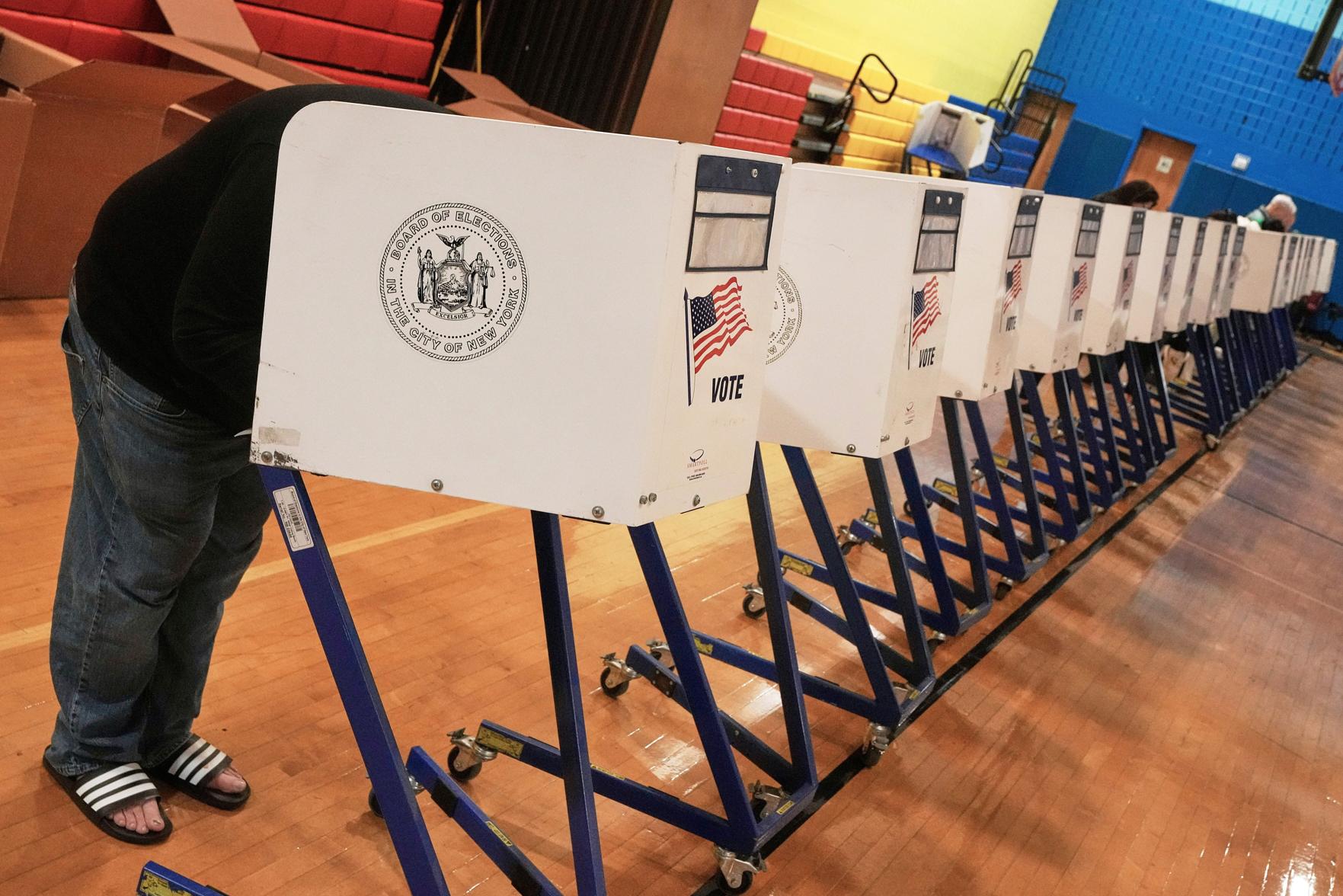
For voters living in states with grace periods, the ruling provides reassurance that ballots mailed on time can still be counted if they arrive within the period established by state law.
However, voters should never rely on the grace period unnecessarily.
Election officials continue recommending that voters:
- Mail ballots well before Election Day.
- Carefully follow signature and identification requirements.
- Track absentee ballots when possible.
- Check state election deadlines.
Meeting all state requirements remains essential to ensuring a ballot is counted.
Looking Ahead
Although the Supreme Court has resolved this major legal question, election law will likely remain an active area of litigation.
Future lawsuits may address voter identification laws, absentee ballot verification procedures, election certification processes, and congressional efforts to establish nationwide voting standards.
For now, the Court’s decision provides greater certainty for states that have long accepted ballots arriving after Election Day, preserving existing election practices ahead of future federal elections.
Conclusion
The mail-in ballots Supreme Court decision represents a major development in American election law. By affirming that states may count absentee ballots received after Election Day when they are postmarked on time, the Court reinforced state authority over election administration and clarified an important legal question that had fueled nationwide debate.
The Supreme Court mail-in ballots ruling is expected to influence election procedures, future election contests, and ongoing discussions about voting access and election integrity for years to come. While political disagreements over absentee voting continue, the ruling offers a clearer legal framework for states, election officials, candidates, and millions of American voters.