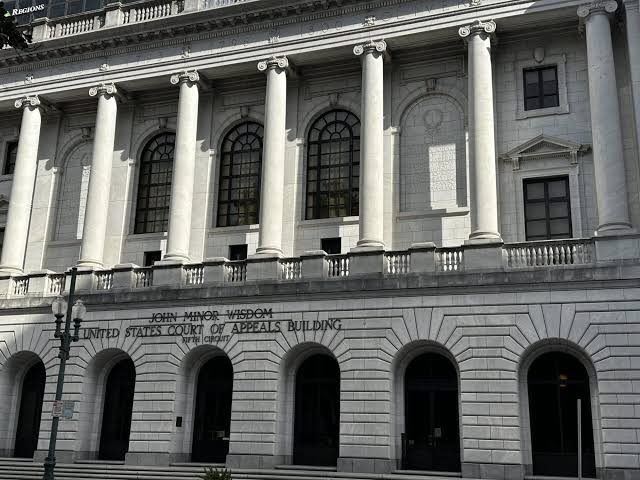
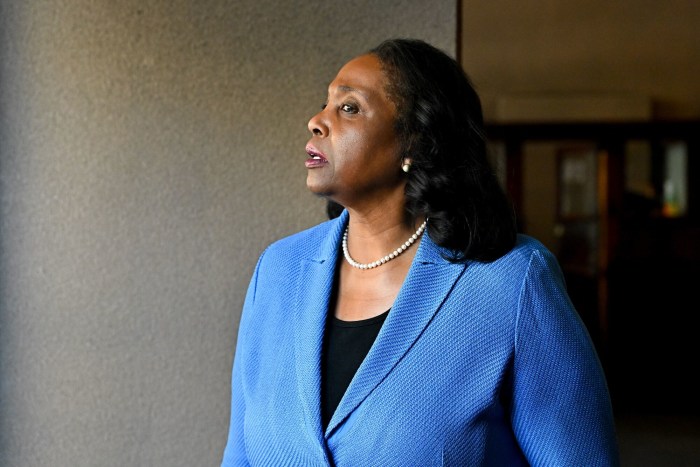
The U.S. Supreme Court of the United States has now issued a landmark decision involving Cook, rejecting an attempt by President Donald Trump to immediately remove her from office. The ruling has been widely discussed across legal platforms such as SCOTUSblog and major news outlets, and it is shaping conversations around Supreme Court decisions today and the future of U.S. financial governance.
Table of Contents
ToggleWho is Lisa Cook?
Lisa Cook is an economist and Federal Reserve Governor, known for her academic work in macroeconomics and innovation. She is also historically significant as one of the first Black women appointed to the Federal Reserve Board of Governors.
Her role is not political in the traditional sense. Instead, she serves as part of the Federal Reserve’s governing body, which is designed to make monetary policy decisions independently of direct political pressure.
That independence became the core issue in the recent legal conflict.
The Background: Trump’s Attempt to Remove Cook
The dispute began when President Donald Trump attempted to remove Lisa Cook from her position, citing allegations of mortgage fraud. Cook denied the allegations, and no criminal conviction or final determination supported the claims at the time of the firing attempt.
The administration argued that the president had authority to remove officials in key federal positions. Cook’s legal team, however, argued that Federal Reserve governors are protected by “for cause” removal standards, meaning they cannot be dismissed without legally sufficient justification.
This legal tension set up a constitutional question:
Can a U.S. president remove a Federal Reserve governor at will?
Supreme Court Intervention: A 5–4 Decision
In a closely divided 5–4 ruling, the Supreme Court allowed Lisa Cook to remain in her position while her legal challenge continues.
According to reporting on the decision, the majority—led by Chief Justice John Roberts—ruled that Cook could not be immediately removed while litigation is ongoing. The Court emphasized procedural fairness and reinforced the idea that Federal Reserve governors enjoy stronger job protections than typical executive branch appointees.
This decision is not the final word on the broader legal question, but it is highly significant in the short term.
As reported by major coverage of Supreme Court decisions today, the ruling effectively blocks immediate presidential removal power over Fed governors while legal proceedings continue.
Why the Federal Reserve Independence Matters
At the center of the Lisa Cook Supreme Court case is a long-standing principle: the independence of the Federal Reserve.
The Federal Reserve is designed to operate independently from political pressure so it can make long-term economic decisions, especially regarding:
-
Interest rates
-
Inflation control
-
Banking regulation
-
Economic stability
If a president could easily remove Federal Reserve governors, it could potentially allow short-term political goals to influence monetary policy.
That concern was echoed in legal analysis across platforms like SCOTUSblog, which has long documented debates over “agency independence” and presidential removal power.
SCOTUSblog and Legal Analysis of the Case
Legal commentary from SCOTUSblog and other constitutional law experts has highlighted this case as part of a broader pattern of Supreme Court decisions addressing executive authority.
The Lisa Cook case is often discussed alongside other rulings involving:
-
Removal protections for federal agency heads
-
Expansion of presidential power
-
Limits on administrative independence
Some legal scholars view the case as part of a larger shift in how the Supreme Court is defining the balance between executive control and institutional independence.
The Cook ruling, in particular, suggests that the Federal Reserve may be treated differently from other federal agencies due to its unique economic role.
Supreme Court Decisions Today: A Broader Context
The Lisa Cook ruling did not happen in isolation. It was part of a broader wave of Supreme Court decisions today involving high-profile political and constitutional issues.
In the same cycle of rulings, the Court also addressed:
-
Presidential authority over independent agencies
-
Election-related disputes
-
High-profile civil and criminal appeals
-
Federal regulatory powers
These cases collectively reflect how the Supreme Court is actively reshaping interpretations of executive power in the modern era.
The Cook decision stands out because it directly touches the intersection of law, economics, and political control over monetary policy.
Legal Stakes: Presidential Power vs. Institutional Independence
The legal question at the heart of the case is not simply about Lisa Cook as an individual. Instead, it raises a structural constitutional issue:
How much control does a U.S. president have over independent federal institutions?
The Supreme Court’s temporary protection of Cook suggests a cautious approach. While the Court has recently shown willingness to expand executive authority in certain contexts, it appears to draw a line when it comes to the Federal Reserve.
This distinction could become crucial in future disputes involving:
-
Federal Trade Commission (FTC)
-
Securities and Exchange Commission (SEC)
-
Environmental Protection Agency (EPA)
-
Other independent regulatory bodies
Political and Economic Reactions
The ruling has triggered significant reactions across political and financial circles.
Supporters of the decision argue that it preserves the credibility of the Federal Reserve and prevents political interference in economic decision-making. Economists warn that undermining central bank independence could destabilize markets.
Critics of the ruling, however, argue that it limits presidential accountability and allows unelected officials to operate with excessive independence.
The debate reflects a deeper tension in American governance: balancing democratic control with institutional stability.
What Happens Next in the Lisa Cook Case?
It is important to understand that the Supreme Court’s ruling is not final on the merits of the case.
Lisa Cook remains in her position while lower court proceedings continue. Eventually, the Supreme Court may revisit the case to decide whether:
-
The president has “for cause” authority to remove Fed governors
-
The allegations against Cook justify removal
-
Federal Reserve independence should be constitutionally protected at a higher level
The final ruling could reshape U.S. administrative law for decades.
Conclusion: A Defining Supreme Court Moment
The Lisa Cook Supreme Court case is more than a personnel dispute—it is a constitutional test of executive authority and institutional independence.
By allowing Cook to remain in office for now, the Supreme Court has signaled that the Federal Reserve occupies a unique position within the U.S. government structure.
As Supreme Court decisions today continue to evolve, this case will likely remain a reference point in debates over presidential power, regulatory independence, and the future of the Supreme Court of the United States itself.
For now, Lisa Cook stays in her role—but the legal and political questions surrounding her case are far from settled.