If you’ve been asking, “What’s the matter with Congress?”, you’re not alone. Millions of Americans are frustrated by repeated legislative stalemates, delayed budgets, partisan battles, and the inability of lawmakers to reach bipartisan agreements on issues that affect everyday life.
Congress was designed to debate, negotiate, and pass laws that serve the public interest. However, in recent years, the institution has become increasingly polarized, making compromise more difficult than ever. As a result, legislation often stalls, government funding deadlines create uncertainty, and public confidence in Congress remains historically low.
This article explores what’s the matter with Congress, why legislative gridlock continues, and what reforms experts believe could improve the effectiveness of the nation’s lawmaking body.
What Is Congress?
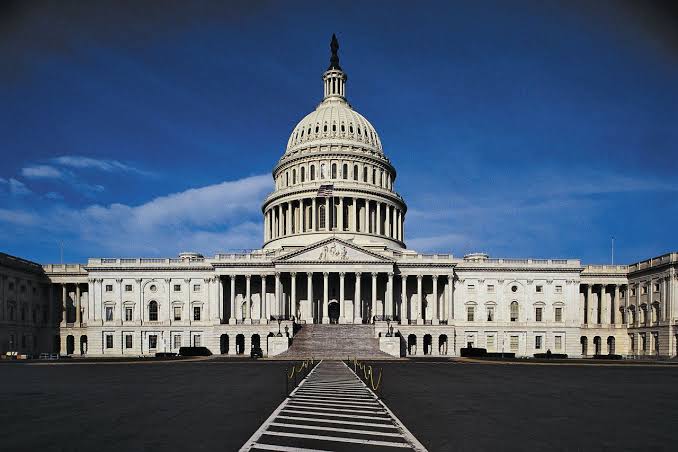
The United States Congress is the legislative branch of the federal government. It consists of two chambers:
- The Senate, with 100 senators representing the states.
- The House of Representatives, with 435 members representing congressional districts.
Congress has several major responsibilities:
- Passing federal laws
- Approving government spending
- Conducting oversight of executive agencies
- Declaring war
- Confirming presidential appointments (Senate)
- Ratifying treaties (Senate)
The U.S. Constitution established Congress as a system built on checks and balances, ensuring that no single branch of government becomes too powerful.
Why Are People Asking, “What’s the Matter With Congress?”
The question reflects growing public dissatisfaction with how Congress functions. Several factors contribute to this concern.
1. Extreme Political Polarization
Perhaps the biggest challenge facing Congress today is political polarization.
Republicans and Democrats have become increasingly divided on major issues such as:
- Immigration
- Federal spending
- Taxes
- Healthcare
- Climate policy
- Election laws
- National security
These ideological differences make bipartisan cooperation far more difficult than in previous decades.
Legislative Gridlock Has Become the New Normal
Legislative gridlock occurs when Congress cannot pass important legislation because neither party is willing to compromise.
Examples include:
- Delayed federal budgets
- Debt ceiling negotiations
- Government shutdown threats
- Stalled immigration reform
- Delays in infrastructure or social spending bills
Instead of producing long-term solutions, lawmakers often rely on temporary funding measures to keep the government operating.
Leadership Battles Slow Congress
Congressional leadership elections have also highlighted internal divisions.
Recent years have seen:
- Difficult Speaker of the House elections
- Internal party disagreements
- Challenges from ideological factions
- Leadership negotiations lasting multiple rounds of voting
When party leaders struggle to unite their own members, passing legislation becomes even harder.
Constant Election Campaigns
Another answer to what’s the matter with Congress is the nonstop election cycle.
Members of the House run for reelection every two years. This short timeline encourages many lawmakers to focus heavily on campaigning rather than legislating.
Political messaging often becomes more important than bipartisan compromise because lawmakers seek to satisfy primary voters and party supporters.
The Influence of Social Media
Modern politics increasingly unfolds online.
Social media platforms encourage:
- Quick political reactions
- Viral debates
- Public confrontations
- Constant media attention
Some critics argue that lawmakers receive more attention for political statements than for successfully negotiating legislation.
This dynamic can discourage compromise because bipartisan agreements sometimes face criticism from partisan audiences.
The Senate Filibuster Debate
The Senate filibuster remains one of the most controversial procedural rules in Congress.
Generally, major legislation requires 60 votes to overcome a filibuster.
Supporters argue the rule:
- Protects minority rights
- Encourages bipartisan negotiation
- Prevents rapid policy swings
Critics argue it:
- Creates legislative paralysis
- Blocks popular legislation
- Gives minority parties excessive power
Debate over reforming or eliminating the filibuster continues whenever major legislation stalls.
Committee Delays
Much of Congress’s work happens in committees before bills ever reach the House or Senate floor.
Committees:
- Hold hearings
- Review legislation
- Amend proposals
- Conduct investigations
However, committee disagreements can delay or completely halt legislation before full congressional debate even begins.
Budget Battles Continue
Federal spending remains one of the most contentious issues in Congress.
Annual budget negotiations often involve disagreements over:
- Defense spending
- Healthcare funding
- Social programs
- Border security
- Tax policy
Failure to reach agreements before funding deadlines can lead to temporary shutdown threats that affect federal employees and government services.
Public Trust in Congress
Opinion polls have consistently shown that Congress receives relatively low public approval ratings compared with many other government institutions.
Common reasons include:
- Political infighting
- Slow legislative progress
- Missed deadlines
- Partisan rhetoric
- Lack of bipartisan cooperation
Many Americans believe Congress spends too much time on political conflict and not enough on solving practical problems.
Is Bipartisanship Still Possible?
Despite frequent disagreements, Congress occasionally demonstrates bipartisan cooperation.
Recent examples have included legislation related to:
- National security
- Disaster relief
- Infrastructure investment
- Technology competition
- Veterans’ services
Although compromise has become more difficult, bipartisan agreements remain possible when lawmakers identify shared priorities.
Proposed Reforms
Political scientists and policy experts have suggested several reforms to improve congressional effectiveness.
Encourage Cross-Party Negotiations
Regular bipartisan working groups could help lawmakers build relationships before major legislative debates.
Modernize Congressional Procedures
Updating outdated legislative procedures could improve efficiency and reduce delays.
Reform Budget Processes
Automatic continuing resolutions or revised budget timelines could reduce repeated funding crises.
Increase Transparency
Providing clearer explanations of legislation and committee work may improve public understanding and accountability.
Address Redistricting Concerns
Some experts argue that independent redistricting commissions could create more competitive congressional districts, encouraging moderation and bipartisan cooperation.
Why Congress Still Matters
Although criticism is widespread, Congress remains one of the most important institutions in American democracy.
Its decisions affect nearly every aspect of public life, including:
- Taxes
- Education
- Healthcare
- National defense
- Immigration
- Transportation
- Energy policy
- Economic regulation
Strong legislative institutions remain essential for maintaining democratic accountability and constitutional checks and balances.
Looking Ahead
The future effectiveness of Congress will depend on whether lawmakers can balance partisan priorities with governing responsibilities.
Upcoming debates over federal spending, election policy, national security, and economic challenges will continue testing Congress’s ability to legislate effectively.
Voters will also play a significant role by choosing representatives who reflect their expectations regarding cooperation, accountability, and policy priorities.
Final Thoughts
So, what’s the matter with Congress? The answer is complex. Political polarization, procedural hurdles, leadership disputes, budget conflicts, and constant election pressures have all contributed to today’s legislative gridlock.
At the same time, Congress continues to serve as the central lawmaking institution of the United States. While reforms may improve efficiency, lasting change ultimately depends on elected officials’ willingness to negotiate, compromise, and prioritize effective governance over partisan conflict.
For citizens, understanding how Congress operates—and why it sometimes struggles—is an important step toward informed civic participation and meaningful democratic engagement.
For more on the controversy surrounding the Minnesota governor’s race, read our detailed coverage of Mike Lindell Voter Registration Status: What We Know About the Minnesota Governor Candidate, where we examine his voter registration, residency questions, and the latest developments in his 2026 campaign.