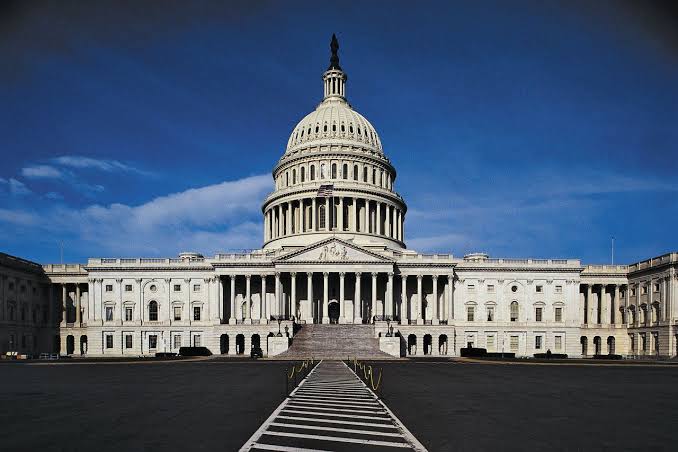
Congress is often called the heart of American democracy, yet many Americans believe it is no longer functioning as intended. From delayed budgets and stalled legislation to partisan battles and government shutdown threats, the U.S. Congress has increasingly become associated with political gridlock. While lawmakers continue debating major issues such as immigration, taxes, healthcare, national security, and federal spending, many bills never become law.
Legislative gridlock has become one of the defining characteristics of modern American politics. It frustrates voters, weakens confidence in government, and often shifts more policymaking power to the executive branch and the courts. But what exactly is wrong with Congress, and why does it seem so difficult for lawmakers to reach agreement?
This article examines the causes of congressional gridlock, its impact on the United States, and whether meaningful reforms could help restore legislative effectiveness.
What Is Legislative Gridlock?
Legislative gridlock occurs when Congress is unable to pass significant legislation because political disagreements prevent compromise. Since every bill must pass both the House of Representatives and the Senate before reaching the president, disagreements between parties—or even within a party—can halt progress.
Gridlock is not always negative. The U.S. Constitution intentionally created a system of checks and balances to prevent rushed decisions. However, when disagreements consistently prevent Congress from addressing urgent national issues, many observers argue the system becomes ineffective rather than cautious.
Increasing Political Polarization
One of the biggest reasons Congress struggles today is growing political polarization.
Democrats and Republicans have become more ideologically divided over the past several decades. Instead of finding middle ground, lawmakers often face pressure from party leaders and primary voters to maintain strict partisan positions.
As a result, bipartisan cooperation has become increasingly rare. Issues that once attracted support from both parties now frequently divide Congress along party lines.
Political polarization affects debates over:
- Federal spending
- Immigration policy
- Healthcare reform
- Climate policy
- Election laws
- National security
- Tax legislation
Even relatively small policy differences can become major political battles.
The Senate Filibuster
Another major source of legislative gridlock is the Senate filibuster.
Most legislation effectively requires 60 votes in the Senate to overcome procedural obstacles and move toward final passage. Since neither political party frequently holds 60 Senate seats, lawmakers often need bipartisan support.
Supporters argue the filibuster protects minority rights and encourages compromise.
Critics believe it allows a minority of senators to block legislation supported by the majority of Americans.
Because of this procedural rule, many bills approved by the House never become law.
Narrow Congressional Majorities
Recent Congresses have operated with extremely slim majorities.
When one party controls the House or Senate by only a few seats, even a handful of lawmakers can determine whether legislation succeeds or fails.
Small internal disagreements frequently delay or derail legislation.
Recent legislative battles have shown that party leaders often struggle to unite their own members before negotiating with the opposition.
Declining Use of “Regular Order”
Traditionally, Congress followed what lawmakers call “regular order.”
Under this process:
- Committees studied legislation.
- Public hearings were held.
- Amendments were debated.
- House and Senate negotiators reconciled differences.
- Final bills received bipartisan review.
Today, many large bills are negotiated behind closed doors by party leadership rather than through committees.
Experts argue this reduces transparency and limits opportunities for bipartisan cooperation. Congress has increasingly relied on procedural shortcuts such as budget reconciliation, concentrating power among congressional leaders.
Campaign Fundraising Takes Time
Modern members of Congress spend enormous amounts of time raising campaign money.
Competitive elections require millions of dollars, forcing lawmakers to devote significant hours to fundraising rather than policymaking.
Political scientists argue fundraising pressures reduce time available for committee work, bipartisan negotiations, and legislative drafting.
Media and Social Media Influence
Television, online news, podcasts, and social media have transformed American politics.
Instead of quietly negotiating compromises, lawmakers often communicate directly with supporters through media appearances and social platforms.
Political messaging increasingly rewards confrontation rather than cooperation.
Some legislators gain national attention through strong partisan statements instead of legislative accomplishments.
This media environment encourages political conflict, making compromise more difficult.
Budget Battles and Government Funding
Perhaps the most visible example of congressional dysfunction involves federal spending.
Congress is responsible for approving annual government funding.
However, lawmakers frequently miss budget deadlines, relying on temporary funding bills known as continuing resolutions.
Failure to reach agreement can result in partial government shutdowns, disrupting federal agencies and creating uncertainty for employees, contractors, and citizens.
Budget negotiations have become recurring political crises rather than routine legislative responsibilities.
Public Confidence Continues to Decline
Congress consistently ranks among the least popular American institutions.
Many voters believe lawmakers prioritize political parties over solving national problems.
Common public complaints include:
- Too much partisan conflict
- Slow legislative action
- Influence of campaign donors
- Lack of accountability
- Failure to address important issues
Public dissatisfaction reflects concerns that Congress spends more time debating than governing.
Expansion of Executive Power
When Congress cannot act, presidents often rely more heavily on executive orders and administrative agencies.
Although executive action can address immediate problems, it is generally less durable than legislation.
Future presidents can reverse executive orders, creating policy instability.
Many constitutional scholars argue that prolonged congressional gridlock shifts too much policymaking authority away from the legislative branch.
Can Congress Be Fixed?
There is no single solution to legislative gridlock, but experts have proposed several reforms.
Potential improvements include:
- Strengthening congressional committees
- Modernizing legislative procedures
- Improving transparency
- Expanding congressional staff expertise
- Reforming ethics oversight
- Streamlining nominations
- Reaffirming Congress’s constitutional authority over spending
- Encouraging bipartisan negotiation earlier in the legislative process
Some proposals, such as changing or eliminating the Senate filibuster, remain politically controversial.
Others focus on restoring Congress’s institutional capacity rather than changing constitutional rules.
Why Compromise Matters
America’s constitutional system was designed to encourage debate.
Compromise has historically produced many landmark laws, including major civil rights legislation, infrastructure investments, tax reforms, and bipartisan national security measures.
When compromise disappears entirely, even broadly supported legislation can stall.
Gridlock may protect against poorly designed laws, but prolonged inaction can also prevent government from responding effectively to emerging challenges.
Looking Ahead
Congress remains one of the most powerful legislative bodies in the world, yet its effectiveness depends on cooperation, institutional norms, and public trust.
Recent years have highlighted growing concerns about polarization, procedural barriers, fundraising pressures, and internal party divisions. Analysts also note that Congress has increasingly relied on leadership-driven negotiations and budget reconciliation instead of the traditional committee process, contributing to perceptions that the institution is losing its ability to legislate through regular order. (Reuters)
Whether lawmakers can reverse these trends remains uncertain. Restoring productive lawmaking will likely require not only procedural reforms but also renewed incentives for bipartisan collaboration and institutional independence.
Conclusion
The question, “What’s wrong with Congress?” has no simple answer. Legislative gridlock results from multiple interconnected factors, including political polarization, Senate rules, narrow majorities, fundraising demands, media incentives, and changing legislative practices.
While disagreement is a natural part of democracy, persistent gridlock can weaken public confidence and reduce Congress’s ability to solve national problems. Addressing these structural and political challenges will be essential if lawmakers hope to restore Congress as the nation’s primary forum for debate, compromise, and effective policymaking.
Want to learn more about Kia Trump’s background? Read our detailed guide on Kia Trump: Age, Height, Parents, Net Worth to explore her family, career, personal life, and estimated wealth.