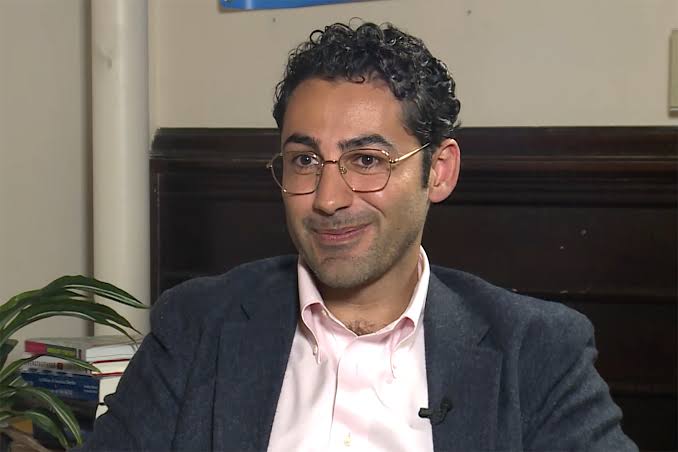
Mohsen Mahdawi has become a widely discussed figure in U.S. immigration and free speech debates after his arrest during a citizenship interview in Vermont. A Palestinian-born student and activist at Columbia University, Mahdawi’s case attracted national attention because it involved questions about immigration enforcement, political expression, and the rights of permanent residents in the United States.
This article explains Mohsen Mahdawi’s age, religion, background, arrest, and legal case, along with why his situation became a major political and legal issue.
Who Is Mohsen Mahdawi?
Mohsen Mahdawi is a Palestinian activist and student associated with Columbia University. He became known for his involvement in campus discussions and protests related to the Israel-Gaza conflict and Palestinian rights. Before gaining attention in U.S. politics, Mahdawi lived in the West Bank and later moved to the United States, where he built an academic career.
Mahdawi studied at Columbia University, where he focused on philosophy and became involved in student activism. He was also associated with efforts promoting dialogue and discussions between different communities.
His case became controversial because supporters viewed him as an example of government pressure on political speech, while critics debated issues surrounding immigration laws and activism.
Mohsen Mahdawi Age
Mohsen Mahdawi was 34 years old at the time of his 2025 detention. Reports identified him as a Columbia University student and a U.S. permanent resident who had lived in America for about a decade.
His age became a point of public interest because he was not a recent immigrant or short-term visitor. Instead, he had established long-term connections in the United States through education, residence, and community involvement.
Mahdawi held a green card and was seeking U.S. citizenship when his immigration appointment turned into an arrest situation.
Mohsen Mahdawi Religion
Mohsen Mahdawi’s religious identity has drawn attention because of his Palestinian background and his activism. Reports describe Mahdawi as a Buddhist, emphasizing non-violence and empathy as important principles in his personal beliefs. He was also involved with the Columbia University Buddhist Association.
Although many discussions about Mahdawi focus on his Palestinian identity and political activism, his personal religious beliefs have been described as connected to Buddhist practices rather than being defined only by his cultural background.
Mohsen Mahdawi Background and Early Life
Mahdawi was born in the Palestinian territories and spent part of his early life in the Far’a refugee camp in the West Bank. His childhood experiences shaped his views on conflict, peace, and human rights.
In 2014, Mahdawi moved to the United States and later became a legal permanent resident. He continued his education and eventually joined Columbia University, where he became involved in campus conversations about international politics and human rights.
His supporters describe him as an advocate for peaceful dialogue, while opponents have focused on his involvement in pro-Palestinian activism.
Why Was Mohsen Mahdawi Arrested?
Mohsen Mahdawi was arrested on April 14, 2025, while attending a U.S. citizenship interview at a U.S. Citizenship and Immigration Services (USCIS) office in Colchester, Vermont. He arrived expecting a naturalization appointment but was detained by Immigration and Customs Enforcement (ICE) agents.
At the time, Mahdawi was a lawful permanent resident with a green card. His lawyers argued that the arrest was connected to his political activism and claimed it violated his constitutional rights.
The government’s position involved immigration enforcement concerns and national security-related arguments, while Mahdawi’s legal team argued that his speech and activism were being targeted.
Mohsen Mahdawi Case Explained
The Mohsen Mahdawi case became part of a broader debate over the treatment of international students and activists involved in protests connected to the Israel-Gaza conflict.
After his arrest, Mahdawi’s attorneys filed legal challenges seeking to prevent his transfer or removal from the United States. A federal judge later ordered his release while the case continued.
The case raised several major legal questions:
- Can immigration authorities detain permanent residents because of political activism?
- How does the government balance national security claims with free speech rights?
- What protections apply to green card holders seeking citizenship?
Supporters of Mahdawi argued that his detention represented government overreach. Critics argued that immigration authorities have broad powers when reviewing immigration status.
Connection to Columbia University Activism
Mahdawi became recognized at Columbia University for his participation in discussions and demonstrations related to Palestinian rights. He was among several student activists whose actions received national attention during campus protests following the October 7, 2023 attacks and the subsequent Gaza war.
His activism included efforts focused on Palestinian issues, but he also promoted dialogue initiatives involving different communities.
The controversy surrounding his arrest intensified because it occurred during a period when the U.S. government was facing debates over campus protests, immigration enforcement, and foreign policy criticism.
Legal Developments and Current Status
After his detention, a federal judge ordered Mahdawi’s release from custody in April 2025 while his legal case moved forward.
Later developments continued to keep his case in public discussion, especially regarding whether immigration authorities could remove him based on claims connected to his political views.
The case became an important example of the conflict between immigration enforcement powers and constitutional protections related to speech and political expression.
Why Mohsen Mahdawi’s Case Matters
The Mohsen Mahdawi case is significant because it connects several major issues in American politics:
Immigration Policy
The case highlights how immigration laws can affect permanent residents who are seeking citizenship.
Free Speech Rights
It has raised questions about whether political activism can influence immigration decisions.
Campus Politics
Mahdawi’s situation reflects wider debates about protests and activism at American universities.
U.S. Foreign Policy Debate
The case also became connected to broader disagreements over U.S. policy toward Israel and Palestine.
Conclusion
Mohsen Mahdawi’s story combines immigration, activism, education, and constitutional debates. From his early life in the West Bank to his role as a Columbia University student, he became a national figure after his arrest during a citizenship interview.
Understanding Mohsen Mahdawi’s age, religion, arrest, and case provides insight into a larger American debate about free expression, immigration enforcement, and political activism. His legal battle continues to be closely watched as courts and policymakers examine the limits of government authority in politically sensitive cases. (The Washington Post)