A federal appeals court has reversed the decision that allowed Mohsen Mahdawi, a Columbia University student and pro-Palestinian activist, to remain free from immigration detention. The ruling has renewed a major legal debate over immigration authority, free speech protections, and the rights of noncitizen activists in the United States.
The decision by the 2nd U.S. Circuit Court of Appeals overturned a lower court ruling that had ordered Mahdawi’s release, finding that the Vermont federal court did not have the authority to intervene in the immigration detention matter before immigration proceedings were completed.
The case has attracted national attention because it sits at the intersection of immigration enforcement and constitutional protections, particularly the First Amendment right to political expression.
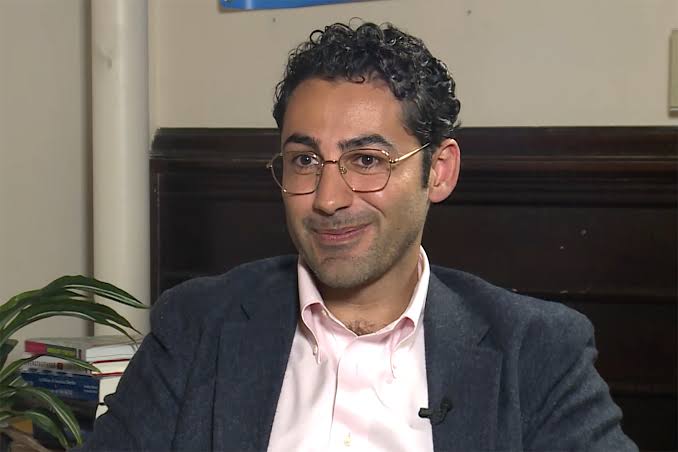
Who Is Mohsen Mahdawi?
Mohsen Mahdawi is a Palestinian activist and student associated with Columbia University. He became widely known for his involvement in pro-Palestinian demonstrations on campus following the outbreak of the Israel-Gaza war. (Wikipedia)
Mahdawi, who became a U.S. permanent resident in 2015, was pursuing American citizenship when he was arrested during a scheduled citizenship interview in Vermont in 2025. Federal authorities detained him as part of immigration enforcement actions targeting certain foreign-born activists involved in protests related to Israel and Gaza. (AP News)
His supporters argued that the government’s actions were connected to his political views and activism, while federal officials maintained that immigration laws allowed authorities to take action against individuals considered a concern for national interests. (Reuters)
Appeals Court Overturns Release Order
The appeals court’s decision focused primarily on legal jurisdiction rather than directly deciding whether Mahdawi’s free speech claims were valid. The judges ruled that his challenge should proceed through the immigration court system instead of being decided first through a federal habeas petition.
A habeas petition allows individuals to challenge the legality of their detention. Mahdawi’s attorneys argued that his detention violated constitutional protections because it was allegedly motivated by his political speech and advocacy.
However, the appeals court concluded that the lower court acted too early by ordering his release before immigration proceedings were fully resolved. The ruling did not immediately order Mahdawi’s arrest again, but it could allow immigration authorities to seek further detention.
Background of Mahdawi’s Arrest and Release
Mahdawi’s arrest occurred during what was supposed to be a routine citizenship-related appointment. Immigration officials detained him, leading his legal team to challenge the action in federal court.
A Vermont federal judge later ordered Mahdawi’s release, arguing that his detention raised serious concerns and that he had not been charged with a crime. The decision allowed him to continue his legal fight while remaining outside immigration custody.
The government appealed that ruling, leading to the latest decision from the 2nd Circuit.
The appeals court’s ruling now changes the legal position of the case and gives immigration authorities a stronger argument that disputes involving detention should first move through immigration channels.
Free Speech and Immigration Debate
The Mohsen Mahdawi case has become part of a larger national debate over whether immigration enforcement can be used against foreign-born activists because of their political speech.
Civil rights organizations, including groups supporting Mahdawi, argue that the government cannot punish individuals for expressing political opinions protected under the First Amendment. They claim that targeting activists because of their views could have a chilling effect on protests and public debate.
Government officials have argued that immigration enforcement decisions involve national security and foreign policy considerations. They maintain that legal permanent residency does not provide unlimited protection from immigration actions.
The disagreement highlights a difficult legal question: how far can immigration authorities go when dealing with noncitizens involved in controversial political movements?
Connection to Other Activist Immigration Cases
Mahdawi’s case is closely watched alongside other cases involving foreign-born university activists, including Mahmoud Khalil, another Columbia-affiliated protest figure whose immigration detention also sparked legal battles.
Both cases involve questions about whether immigration authorities are improperly targeting activists for their political speech or whether the government is lawfully enforcing immigration rules.
The outcomes could influence future cases involving international students, permanent residents, and political protesters.
What Happens Next for Mohsen Mahdawi?
Following the appeals court ruling, Mahdawi’s legal team is expected to continue challenging the decision. His attorneys have argued that the government does not have a lawful basis to detain or deport him while his appeals continue.
The case may continue through immigration courts and potentially higher federal courts, depending on future appeals.
The broader legal question remains unresolved: whether immigration authorities can remove or detain noncitizens based partly on their political activism and public statements.
Impact of the Ruling
The appeals court reversal represents a significant development in the ongoing conflict between immigration enforcement powers and constitutional rights. Supporters of the government view the decision as reinforcing immigration court authority, while critics warn that it could weaken protections for political expression.
For universities, international students, and immigrant communities, the case has become a symbol of broader concerns about activism, citizenship, and government power.
As the legal battle continues, the Mohsen Mahdawi case will likely remain a closely watched example of how U.S. courts balance immigration law with First Amendment protections.(AP News)