
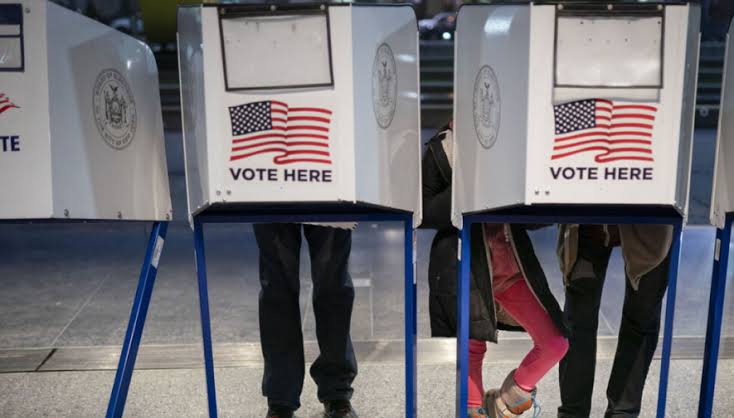
The battle for control of the U.S. House of Representatives is expected to come down to a small number of highly competitive districts known as midterm house toss-up races. These contests feature candidates from both major parties with realistic chances of winning, making them the center of attention for voters, political analysts, and campaign strategists.
With all 435 House seats on the ballot, neither party can afford major losses in these competitive districts. A handful of swing races could determine whether Republicans maintain control of the chamber or Democrats gain the seats needed to take power.
What Are Midterm House Toss-Up Races?
A House toss-up race is a congressional contest where the outcome is considered highly uncertain. Election analysts typically classify these races as districts where either Republican or Democratic candidates have a strong chance of winning.
Unlike safe districts where one party has a major advantage, toss-up races are influenced by several factors, including:
- National political trends
- Candidate popularity
- Voter turnout
- Economic concerns
- Presidential approval ratings
- Local issues
Political rating organizations use categories such as “Solid,” “Likely,” “Lean,” and “Toss-Up” to measure competitiveness. Toss-up districts represent the closest battles and often receive the largest campaign spending.
Why These Races Matter in the 2026 Midterms
The House majority is decided by reaching 218 seats. Because the chamber is closely divided, even a small number of competitive races can change which party controls Congress.
Republicans are defending several vulnerable seats, while Democrats are targeting Republican-held districts where demographic changes and political shifts could create opportunities. Analysts have identified a limited number of true toss-up contests that could determine the balance of power.
The importance of these races is also increased because midterm elections often serve as a referendum on the president and the party in power. Historically, the president’s party frequently faces challenges during midterms as voters express approval or dissatisfaction with national policies.
Major Battleground Districts to Watch
Several districts have emerged as important battlegrounds in the House fight.
Pennsylvania House Races
Pennsylvania remains one of the most competitive states in congressional elections. Several districts feature close partisan divides, making them important targets for both parties.
The state’s suburban voters, working-class communities, and changing political preferences make Pennsylvania a key area where small shifts could influence House control.
Arizona Competitive Districts
Arizona has transformed into a major swing state, and congressional races there continue to attract national attention.
Districts in the state reflect changing voter patterns, with suburban voters and independent voters playing a significant role. Competitive House races in Arizona could become crucial for both parties.
Midwest Swing Districts
Midwestern states such as Michigan, Ohio, Iowa, and Wisconsin contain several districts where elections are often decided by narrow margins.
Issues such as inflation, manufacturing jobs, healthcare costs, and agricultural policy could influence voters in these areas. Candidates who perform well with independent voters may have a major advantage.
Issues Driving Competitive House Races
The outcome of midterm house toss-up races will likely depend on several major issues affecting American voters.
Economy and Cost of Living
Economic concerns remain among the most important factors in congressional elections. Inflation, housing prices, wages, and everyday expenses often influence how voters evaluate elected officials.
Candidates from both parties are expected to focus heavily on economic messages as they compete for undecided voters.
Immigration and Border Security
Immigration continues to be a major political issue. Republicans have traditionally emphasized border security, while Democrats often focus on immigration reform and humanitarian policies.
In competitive districts, candidates will attempt to appeal to voters who may have mixed views on the issue.
Healthcare and Social Programs
Healthcare costs, prescription drug prices, and government programs remain important issues, especially among older voters and working families.
Candidates in swing districts often highlight their positions on protecting benefits and improving affordability.
Presidential Approval and National Politics
National political conditions can significantly influence House races. A president’s approval rating, major policy decisions, and national controversies often affect congressional elections.
Recent political developments and internal party debates could shape voter attitudes heading into Election Day.
Campaign Spending and Outside Groups
Because toss-up races can determine control of Congress, they attract significant financial investment.
Political parties, political action committees, and advocacy organizations typically spend millions of dollars on:
- Television advertisements
- Digital campaigns
- Voter outreach
- Grassroots organizing
- Opposition research
Candidates in competitive districts must build strong local campaigns while also responding to national political narratives.
How Democrats and Republicans View the House Map
Republicans are focused on protecting their narrow advantage by defending vulnerable incumbents and maintaining support among their core voters.
Democrats see competitive Republican-held districts as opportunities to gain seats and challenge GOP control of the House.
The final outcome will depend heavily on turnout. Strong participation from each party’s supporters could determine whether close races break one way or another.
The Role of Independent Voters
Independent voters are expected to play a decisive role in many midterm house toss-up races.
Unlike strongly partisan voters, independents often decide elections based on current conditions rather than party loyalty. Candidates who successfully address local concerns may gain an advantage among this group.
Final Outlook: Why Toss-Up Races Will Decide Congress
The 2026 House elections are expected to be shaped by a relatively small group of competitive districts. While hundreds of seats are unlikely to change hands, the limited number of midterm house toss-up races could determine the future direction of Congress. (The New York Times)
Both parties will focus enormous resources on these battleground districts because winning even a few additional seats could decide control of the House.
As Election Day approaches, campaign strategies, voter sentiment, economic conditions, and national political developments will continue to reshape the House battlefield. The closest races will remain the ones that decide whether Republicans hold power or Democrats take control of the chamber.