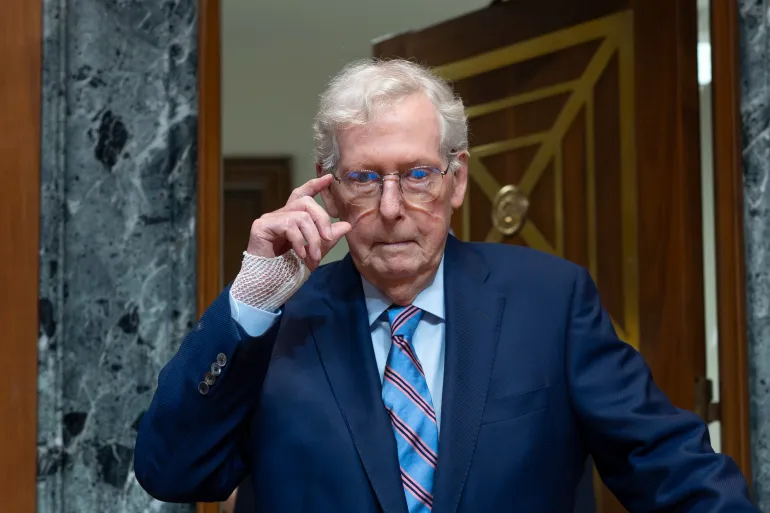

The House Republican conservative rebellion has become one of the defining political stories in Washington, highlighting growing divisions within the Republican Party. While Republicans hold influence in Congress, disagreements over spending, fiscal policy, government priorities, and legislative strategy have sparked repeated confrontations between conservative lawmakers and GOP leadership.
The latest rebellion reflects a broader struggle over the party’s future. Some Republicans argue that leadership has compromised too often with Democrats, while others believe governing requires negotiation and practical solutions. As Congress debates major legislation, these internal disputes could shape the Republican agenda heading into the next election cycle.
This article explains what the House Republican conservative rebellion is, why it matters, and what it could mean for Congress, President Donald Trump’s legislative priorities, and American politics.
What Is the House Republican Conservative Rebellion?
The House Republican conservative rebellion refers to a group of conservative Republican lawmakers who oppose their own party’s leadership on key legislation or procedural votes.
Rather than automatically supporting bills backed by party leaders, these lawmakers frequently demand:
- Lower federal spending
- Stronger border security measures
- Reduced government intervention
- Tougher fiscal reforms
- Greater transparency in legislative negotiations
Their willingness to vote against leadership has repeatedly complicated efforts to pass major bills.
Unlike disagreements between Republicans and Democrats, this rebellion occurs within the Republican Party itself, making it especially challenging for House leaders trying to maintain unity.
Why Are Conservatives Rebelling?
Several factors have fueled the growing conservative revolt.
1. Federal Spending Concerns
Many conservatives believe Washington continues spending at unsustainable levels despite promises of fiscal discipline.
They argue Congress should:
- Reduce discretionary spending
- Cut unnecessary government programs
- Limit future deficits
- Reduce national debt growth
For these lawmakers, controlling spending remains a top priority.
2. Opposition to Compromise
House conservatives often criticize bipartisan negotiations.
They argue that Republican leadership sometimes accepts compromises that dilute conservative policy goals.
Issues frequently drawing criticism include:
- Budget negotiations
- Debt ceiling agreements
- Government funding bills
- Foreign aid packages
Conservatives believe stronger negotiating positions would produce better outcomes.
3. Demand for Procedural Reforms
Another major concern involves how legislation reaches the House floor.
Conservative lawmakers frequently request:
- More time to review bills
- Open amendment processes
- Greater committee involvement
- Fewer last-minute negotiations
They argue Congress functions better when members have adequate opportunities to debate legislation.
Who Is Leading the Conservative Movement?
The rebellion does not revolve around one individual.
Instead, several members of the House Republican conference—particularly those aligned with the party’s conservative wing—have emerged as influential voices. These lawmakers often coordinate to push for stricter fiscal policies, stronger immigration enforcement, and procedural reforms.
While they may differ on specific strategies, they generally share the goal of moving Republican legislation further to the right.
Impact on Republican Leadership
For House leaders, every vote matters.
Because Republicans often hold only a narrow majority, even a small group of conservative lawmakers can significantly influence whether legislation passes.
Leadership faces several difficult choices:
- Negotiate with conservatives
- Modify legislation
- Delay votes
- Seek bipartisan support
- Risk legislative defeat
These decisions affect not only individual bills but also the party’s overall legislative strategy.
Trump’s Influence on the Rebellion
President Donald Trump continues to play an important role within the Republican Party.
Many conservative lawmakers support Trump’s agenda, particularly regarding:
- Immigration enforcement
- Tax policy
- Energy production
- Government reform
- Border security
However, disagreements sometimes arise over how quickly legislation should move or whether proposed bills fully reflect conservative priorities.
Trump’s endorsements and public statements can influence negotiations between House leadership and conservative members.
Major Issues Driving the House Republican Conservative Rebellion
Several policy debates have intensified tensions inside the Republican conference.
Government Spending
Budget legislation remains one of the biggest sources of conflict.
Conservatives want deeper spending cuts, while leadership often seeks agreements capable of passing both chambers of Congress.
Border Security
Many conservative lawmakers argue that immigration legislation should include stronger enforcement measures before considering broader reforms.
National Debt
Fiscal conservatives continue warning about the long-term impact of increasing federal debt.
They frequently push for reforms aimed at reducing government borrowing.
Government Funding
Temporary funding bills have repeatedly divided Republicans.
Some conservatives oppose short-term funding measures, arguing they delay necessary reforms.
How Democrats View the Rebellion
Democrats often argue that Republican divisions make governing more difficult.
When Republicans cannot unite behind legislation, Democrats sometimes gain leverage during negotiations.
In closely divided Congresses, bipartisan cooperation may become necessary when internal Republican disagreements prevent leadership from securing enough votes.
Historical Context
The Republican Party has experienced internal ideological battles for decades.
Previous examples include debates over:
- Federal spending
- Healthcare reform
- Tax legislation
- Leadership elections
- Government shutdown strategies
Today’s House Republican conservative rebellion follows this long tradition of debate between establishment Republicans and the party’s more conservative members.
What makes the current situation unique is the narrow balance of power in the House, giving relatively small groups of lawmakers greater influence.
What Happens Next?
Several factors will determine whether the rebellion grows stronger.
Key questions include:
- Can Republican leadership satisfy conservative demands?
- Will spending disputes continue?
- Can major legislative priorities pass with unified Republican support?
- Will internal divisions affect the upcoming election cycle?
The answers will shape both congressional policymaking and the Republican Party’s political future.
Why This Matters to American Voters
Internal party disagreements directly affect how quickly Congress can act on major issues.
When lawmakers disagree over spending, taxes, border security, or government funding, legislative progress can slow significantly.
For voters, these debates influence:
- Federal budget priorities
- Tax policy
- Immigration enforcement
- Economic legislation
- National debt management
Understanding the House Republican conservative rebellion provides insight into why some bills advance quickly while others face lengthy negotiations or fail altogether.
Conclusion
The House Republican conservative rebellion highlights the ongoing struggle between ideological purity and practical governance within today’s Republican Party. Conservative lawmakers continue pushing for lower spending, stronger border security, and stricter fiscal discipline, while House leadership works to maintain unity and pass legislation.
As Congress considers future budget bills, funding measures, and policy reforms, these internal Republican debates are likely to remain at the center of Washington politics. Whether leadership successfully unifies the conference or conservative resistance continues will shape the legislative agenda, influence President Trump’s priorities, and play a significant role in the political landscape leading into future elections.
Want to learn more about Iowa Republican leader Ashley Hinson? Read our detailed guide on Ashley Hinson: Win Against, Approval Rating, Voting Record to explore her election victories, public approval, and voting history in Congress.