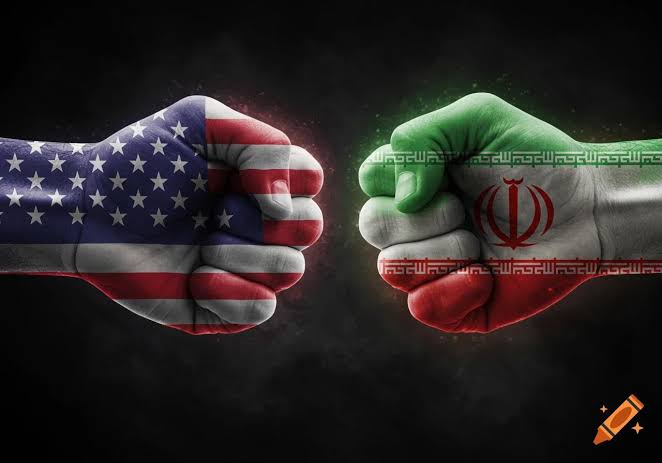
The Iran-US conflict has emerged as a major foreign policy issue ahead of the 2026 US midterm elections, raising questions about military strategy, energy prices, national security and President Donald Trump’s leadership. As American voters prepare to decide which party will control Congress, the consequences of the conflict could influence both domestic politics and Washington’s international priorities.
The debate surrounding US military power, including weapons such as the GBU-43/B MOAB, also highlights the growing public interest in America’s military capabilities and its approach to conflicts in the Middle East.
Iran-US Conflict Becomes a Key Issue in the 2026 Midterms
The US confrontation with Iran is becoming an important subject in the midterm election campaign. According to the information reported by Firstpost, the ongoing conflict has challenged Trump’s earlier promise to avoid involving the United States in new foreign wars.
The conflict has also become connected to economic concerns. Higher energy costs can put additional pressure on American households, making foreign policy a domestic political issue rather than simply a question of international relations.
For Republican candidates, the administration’s handling of Iran could become a test of public confidence in Trump’s leadership. Democrats, meanwhile, may use the conflict to question the costs, objectives and wider consequences of the administration’s military decisions.
Voters will also consider how the conflict affects US national security, relations with allies and the possibility of a broader regional confrontation.
What Is the GBU-43/B MOAB Bomb?
The GBU-43/B Massive Ordnance Air Blast bomb, commonly known as the MOAB bomb, is one of the largest conventional air-delivered weapons developed by the United States.
The weapon is widely known by its nickname, the Mother of All Bombs. It was designed to produce a powerful blast against suitable surface targets and is distinct from nuclear weapons.
The GBU-43/B is a conventional munition, not a nuclear bomb. Its enormous size and destructive potential have made it a subject of international attention whenever discussions turn to American military capabilities.
The United States first used the MOAB in combat in Afghanistan in April 2017, when it was deployed against an Islamic State-linked target in a mountainous area.
Although the bomb is frequently mentioned in discussions about possible US military action, its existence does not establish that it has been used against Iran. Any claim about a specific deployment would require reliable confirmation.
Could the Mother of All Bombs Be Used Against Iran?
Questions about whether the United States could deploy the Mother of All Bombs against Iran reflect broader concerns about escalation in the region.
However, the GBU-43/B was designed for particular types of targets, and its existence should not be interpreted as evidence that it is suitable for every military objective. Iran’s military infrastructure includes a variety of facilities and locations that present different operational challenges.
The MOAB is also not a specialized solution for every hardened or deeply buried installation. Its capabilities and limitations differ from those of weapons specifically designed to penetrate reinforced structures.
Any decision to use such a weapon would involve military objectives, operational risks, civilian safety, international law and the potential consequences for the wider conflict.
At present, claims about the MOAB’s use in the Iran-US conflict should be distinguished from confirmed reporting about actual military operations.
How the US-Iran Conflict Could Affect American Voters
The Iran issue is closely linked to several domestic concerns that could influence voting in November 2026.
1. Rising energy prices
Conflict in the Middle East can disrupt energy markets and increase uncertainty about oil supplies and transportation routes. Higher fuel prices can affect household budgets, transportation expenses and business costs.
2. Questions about Trump’s foreign policy
Trump’s approach to Iran could influence how voters assess his administration’s promise to prioritize American interests while avoiding prolonged foreign conflicts.
3. National security concerns
Voters may consider whether the administration’s actions reduce security threats or increase the risk of a wider regional war.
4. Congressional oversight
The midterms will determine the balance of power in Congress. The outcome could affect congressional scrutiny of military spending, foreign policy decisions and the administration’s approach to Iran.
Iran, Ukraine and China Add to the Foreign Policy Debate
Iran is not the only international issue shaping the 2026 US midterm elections. The Russia-Ukraine war and Washington’s relationship with China are also likely to influence political debate.
The Trump administration’s decisions on international conflicts, trade and economic policy could affect voter confidence in both parties. Meanwhile, disagreements over tariffs and relations with major trading partners continue to intersect with concerns about inflation and affordability.
These issues demonstrate how foreign policy can influence domestic politics through energy markets, government spending and perceptions of national leadership.
What Happens Next in the Iran-US Conflict?
The future of the Iran-US confrontation will depend on developments on the ground, diplomatic efforts and decisions by political leaders. Further escalation could intensify concerns about energy supplies and regional security, while diplomatic progress could reduce some of the pressure on markets and voters.
The debate over weapons such as the GBU-43/B MOAB will likely remain part of broader discussions about American military strength. However, the distinction between speculation and confirmed military developments is essential when assessing reports about the Mother of All Bombs.
As the 2026 midterm elections approach, the Iran issue could become an important measure of how Americans view Trump’s foreign policy, the economic consequences of international conflict and the country’s role in global affairs.
Ultimately, the Iran-US conflict is about more than military power. It also raises questions about economic stability, presidential leadership and the political direction of the United States.