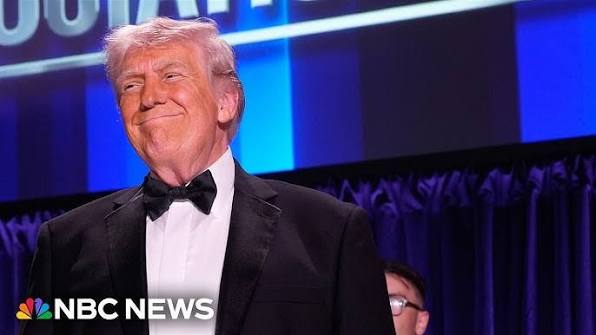
The Correspondents Dinner is one of the most recognizable traditions in American politics, bringing together journalists, politicians, celebrities, and media executives for an evening that blends humor, free speech, and public service. Officially known as the White House Correspondents’ Association (WHCA) Dinner, the annual event has become a symbol of the relationship between the press and the presidency.
While the dinner is often remembered for witty speeches and presidential jokes, it also carries a deeper significance. It celebrates the role of a free press in a democratic society while raising scholarship funds for aspiring journalists.
In recent years, however, the Correspondents Dinner has also become a focal point of political debate. Questions about media independence, presidential participation, and the evolving relationship between politicians and journalists have transformed the event into much more than a glamorous gala.
This article explores the history, purpose, traditions, controversies, and future of the Correspondents Dinner.
What Is the Correspondents Dinner?
The Correspondents Dinner is an annual banquet hosted by the White House Correspondents’ Association (WHCA), an organization representing journalists assigned to cover the White House.
Each year, the dinner invites:
- The President of the United States (traditionally)
- White House officials
- Members of Congress
- Journalists
- News executives
- Celebrities
- Scholarship recipients
The event combines speeches, comedy, and recognition of journalistic excellence while raising money for educational scholarships.
History of the Correspondents Dinner
The White House Correspondents’ Association was established in 1914 after concerns arose that politicians might determine which reporters could attend presidential press conferences.
The first Correspondents Dinner took place in 1921, making it one of Washington’s longest-running political traditions.
Initially, the dinner was a relatively small gathering of reporters and government officials. Over the decades, it evolved into a nationally televised event attracting Hollywood actors, athletes, business leaders, and international media.
Women were not officially allowed to attend until 1962, when President John F. Kennedy encouraged broader participation.
Since then, the event has continued to grow in prestige and visibility.
Purpose of the Correspondents Dinner
Although many viewers associate the dinner with political comedy, its mission extends far beyond entertainment.
Its primary goals include:
Supporting Press Freedom
The dinner celebrates the importance of independent journalism and recognizes reporters who cover the presidency.
Funding Scholarships
One of the event’s central purposes is raising scholarship funds for journalism students pursuing careers in news reporting.
Honoring Journalistic Excellence
Awards are presented to reporters who demonstrate outstanding coverage of the White House and national affairs.
Encouraging Public Engagement
The nationally broadcast event helps educate audiences about journalism while promoting civic participation.
Why Presidents Attend
Traditionally, sitting presidents attend the Correspondents Dinner and deliver humorous speeches.
The presidential remarks usually include:
- Self-deprecating jokes
- Friendly criticism of political opponents
- Lighthearted comments about journalists
- Reflections on current events
The tradition reflects the democratic principle that political leaders should tolerate criticism and maintain open dialogue with the press.
However, presidential attendance is not mandatory.
Notable Presidential Appearances
Many presidents have used the Correspondents Dinner to display their personality.
Some memorable appearances include:
Ronald Reagan
Although recovering from an assassination attempt in 1981, Reagan addressed attendees by telephone, demonstrating resilience and humor.
Bill Clinton
Clinton became known for relaxed, entertaining speeches that often mixed political humor with personal anecdotes.
George W. Bush
Bush’s appearances frequently featured comedic sketches that highlighted his public image.
Barack Obama
Obama delivered several widely praised speeches filled with sharp political satire and memorable one-liners.
Donald Trump
President Donald Trump chose not to attend several dinners during his first administration, citing disagreements with portions of the media. His absence marked a significant departure from decades of presidential participation.
Famous Comedians at the Dinner
The Correspondents Dinner often includes a featured comedian.
Over the years, performers have included:
- Stephen Colbert
- Conan O’Brien
- Seth Meyers
- Hasan Minhaj
- Trevor Noah
- Roy Wood Jr.
These comedians typically roast both political parties, journalists, and Washington culture.
Some performances have received widespread praise, while others generated political controversy.
Major Controversies
The Correspondents Dinner has faced increasing criticism in recent years.
Celebrity Culture
Critics argue that the event has become too focused on celebrity appearances instead of journalism.
Political Polarization
As partisan divisions have grown, some believe the dinner no longer reflects bipartisan goodwill.
Media Independence
Some observers question whether journalists should socialize with political leaders they cover professionally.
Presidential Boycotts
Presidential absences have fueled debates about whether the event remains effective in strengthening relationships between government and the press.
The Role of the White House Correspondents’ Association
The WHCA serves a much broader role than organizing the annual dinner.
Its responsibilities include:
- Protecting press access to the White House
- Advocating for transparency
- Defending journalists’ rights
- Coordinating media coverage of presidential events
- Supporting future journalists through scholarships
The organization regularly emphasizes that the dinner represents only a small portion of its overall mission.
Why the Correspondents Dinner Still Matters
Even amid controversy, the Correspondents Dinner remains an important symbol of American democracy.
A healthy democracy depends upon:
- Independent journalism
- Government transparency
- Freedom of speech
- Public accountability
The dinner publicly acknowledges these democratic values while celebrating the work of reporters who cover one of the world’s most influential political institutions.
Although critics may disagree about the event’s format, its underlying mission continues to resonate.
The Future of the Correspondents Dinner
The Correspondents Dinner is likely to continue evolving alongside changes in journalism and politics.
Future events may place greater emphasis on:
- Digital journalism
- Investigative reporting
- Local news organizations
- Press freedom worldwide
- Student scholarships
- Public trust in media
Organizers have increasingly highlighted journalism rather than celebrity attendance, reflecting efforts to return the event to its original purpose.
Impact on American Politics
The Correspondents Dinner offers a rare opportunity for political rivals, journalists, and public figures to gather in one room outside the formal setting of government.
Although it lasts only one evening, the event often produces memorable headlines, viral speeches, and moments that shape public perception of political leaders.
For journalists, it also serves as recognition of the essential role the press plays in informing citizens.
Conclusion
The Correspondents Dinner is far more than a night of political jokes and celebrity appearances. It represents a century-old tradition celebrating press freedom, democratic accountability, and excellence in journalism. While debates over media relationships and political participation continue, the event remains one of Washington’s most recognizable annual gatherings.
As American politics evolves, so too will the Correspondents Dinner. Whether viewed as a celebration of democracy or a reflection of changing media culture, its significance extends well beyond the ballroom. By supporting journalism students, honoring outstanding reporting, and highlighting the importance of a free press, the Correspondents Dinner continues to play a meaningful role in the American political landscape.
For more on the latest immigration developments, read our detailed coverage of Judge Halts Trump Visa Restrictions: Federal Court Blocks New Immigration Limits, which explains the court’s ruling, its legal basis, and what it means for U.S. visa applicants and immigration policy.