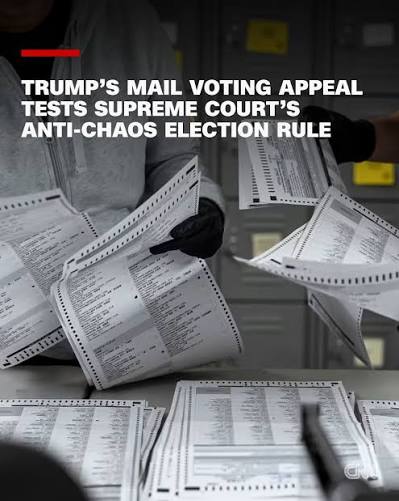
The Trump emergency voting rule appeal has become a major legal and political issue as courts examine the limits of executive authority, election administration, and voting regulations. The appeal centers on a dispute over emergency election rules and whether federal authorities have the power to impose changes that affect how elections are conducted.
Election laws in the United States are traditionally managed through a partnership between federal guidelines and state-level administration. However, disputes over emergency powers and voting procedures often create intense legal battles, especially when changes are introduced close to an election.
The trump emergency voting rule appeal highlights a broader debate about election security, voter access, and the balance between presidential authority and state control.
Background of the Trump Emergency Voting Rule Dispute
Election rules have long been a source of political disagreement in the United States. Supporters of stricter regulations argue that additional measures can protect election integrity and prevent fraud. Critics often argue that certain restrictions create unnecessary barriers for eligible voters.
The latest legal challenge involving the Trump administration focuses on whether emergency authority can be used to alter voting procedures. Opponents of the rule argue that election regulations require proper legislative approval and cannot be changed through executive action alone.
Supporters of the policy argue that emergency measures may be necessary to respond to concerns involving election security, administration problems, or changes in voting conditions.
The disagreement moved into the courts, leading to the current appeal process.
Why the Appeal Matters
The Trump emergency voting rule appeal carries significance beyond a single election policy. The outcome could influence how future administrations approach election-related decisions.
A ruling in favor of expanded executive authority could allow presidents and federal agencies greater flexibility during election periods. On the other hand, a decision limiting such authority could reinforce the role of Congress and individual states in controlling election procedures.
Legal experts often describe election cases as involving a difficult balance between protecting election integrity and maintaining voter access.
Federal Authority vs State Election Control
The United States Constitution gives states a major role in managing elections. States typically oversee voter registration, polling locations, ballot counting procedures, and election administration.
However, federal laws and court decisions also establish nationwide standards designed to protect voting rights and ensure fair elections.
The trump emergency voting rule appeal raises questions about where the line should be drawn between federal involvement and state responsibility.
Those challenging the rule argue that federal intervention could interfere with state election systems. Supporters say national standards may be necessary when election security concerns cross state boundaries.
Arguments From Supporters of the Rule
Supporters of the Trump-backed voting rule argue that stronger election regulations can increase public confidence in the electoral system.
They often point to concerns about voter verification, election administration, and maintaining accurate voter records. According to supporters, emergency measures provide government officials with tools to respond quickly when election systems face challenges.
They believe courts should recognize the importance of protecting elections from potential risks and allow officials greater authority to act.
For many supporters, the appeal represents a broader effort to strengthen election security policies.
Arguments From Opponents of the Rule
Opponents of the rule argue that election changes must follow established legal procedures. They claim emergency powers should not be used to bypass lawmakers or state election officials.
Voting rights groups and critics of the policy have expressed concerns that certain election restrictions could make voting more difficult for some eligible citizens.
They argue that election security measures should be carefully designed to avoid reducing voter participation.
The appeal has therefore become part of a larger national discussion about the future of voting laws in America.
The Role of Federal Courts
Federal courts play a crucial role in resolving disputes over election policies. Judges reviewing cases like the Trump emergency voting rule appeal must consider constitutional questions, federal election laws, and previous legal precedents.
Courts often examine whether government agencies exceeded their authority, whether proper procedures were followed, and whether a rule creates unreasonable impacts on voters.
Election cases can move quickly because decisions may affect upcoming elections and government operations.
Political Impact of the Appeal
The legal fight has also become a political issue. Election rules remain one of the most debated topics in American politics, with Democrats and Republicans often presenting different views on security and access.
Republicans generally emphasize election integrity and stronger verification measures, while Democrats often focus on protecting broad voter participation.
The outcome of the trump emergency voting rule appeal could influence political debates during future election campaigns.
Candidates may use the court decision as evidence supporting their positions on election reform.
Possible Outcomes of the Case
Several outcomes are possible depending on how the appeals court evaluates the arguments.
The court could uphold the emergency voting rule, allowing the policy to continue. It could also block or limit the rule, arguing that the authority used to create it was insufficient.
Another possibility is that the court could send the matter back for further review or clarification.
Regardless of the result, the decision could establish important guidance for future election-related disputes.
What the Appeal Means for Future Elections
The Trump emergency voting rule appeal reflects continuing national debates about how elections should be managed in the modern era.
As technology, election security concerns, and political disagreements continue to evolve, lawmakers and courts will likely face more disputes involving voting procedures.
The case demonstrates the importance of clear election laws and defined limits on government authority.
Future administrations may look to the outcome when considering emergency actions related to elections.
Conclusion
The Trump emergency voting rule appeal represents a major legal battle over election authority, voting regulations, and the role of federal power. The case highlights ongoing tensions between election security efforts and concerns about protecting voter access.
As courts consider the arguments, the decision could have lasting effects on how election rules are created and enforced across the United States. Beyond the immediate dispute, the appeal is part of a larger national conversation about democracy, voting rights, and the future of election administration.