The nuclear program of Iran has remained one of the most debated and closely monitored security issues in the world for more than two decades. It sits at the center of international diplomacy, regional politics, and global concerns about nuclear proliferation. While Iranian officials maintain that the country’s nuclear activities are intended for peaceful purposes such as electricity generation and medical research, many Western governments have expressed concerns that the program could eventually produce nuclear weapons.
The issue has become even more prominent during the administrations of former U.S. President Donald Trump, whose policies dramatically reshaped relations between the United States and Iran. His withdrawal from the landmark nuclear agreement in 2018 changed the direction of negotiations and continues to influence global diplomacy today.
This article explores the history, development, challenges, and future of Iran’s nuclear ambitions while examining Trump’s impact on the ongoing dispute.
What Is Iran’s Nuclear Program?
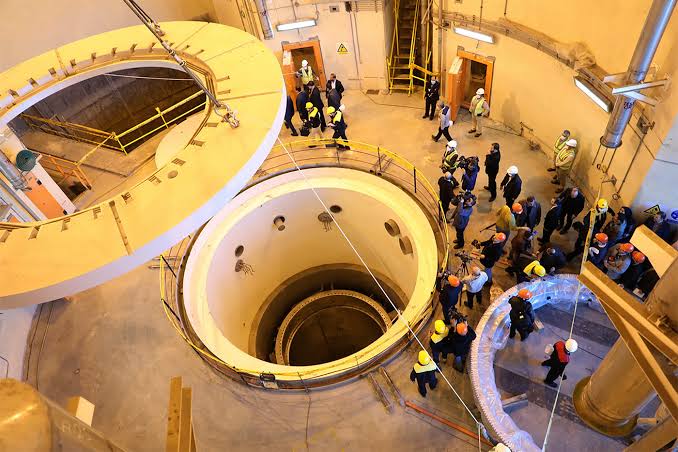
Iran’s nuclear program consists of facilities, scientists, research centers, and uranium enrichment plants designed to develop nuclear technology. Iranian authorities insist that the program supports peaceful civilian goals, including generating electricity, producing medical isotopes, and advancing scientific research.
However, uranium enrichment technology has dual-use capabilities. Low-enriched uranium can fuel nuclear power plants, while highly enriched uranium can potentially be used in nuclear weapons if enriched to weapons-grade levels. Because of this distinction, Iran’s enrichment activities have drawn intense international scrutiny.
The International Atomic Energy Agency (IAEA) regularly inspects many Iranian nuclear facilities, although disagreements over access and transparency have periodically created diplomatic tensions.
A Brief History of Iran’s Nuclear Program
Iran began pursuing nuclear technology during the 1950s under the U.S.-supported “Atoms for Peace” initiative. After the 1979 Islamic Revolution, many nuclear projects slowed before being revived during the 1980s and 1990s.
International concern intensified in 2002 when previously undisclosed nuclear facilities became public. These discoveries triggered years of negotiations involving Iran, European nations, Russia, China, and the United States.
The controversy centered on whether Iran’s uranium enrichment activities could eventually support a military nuclear program.
The 2015 Nuclear Deal (JCPOA)
One of the biggest milestones came in July 2015 when Iran signed the Joint Comprehensive Plan of Action (JCPOA).
The agreement was negotiated between Iran and six world powers:
- United States
- United Kingdom
- France
- Germany
- Russia
- China
Under the deal, Iran agreed to:
- Reduce uranium enrichment levels.
- Limit enriched uranium stockpiles.
- Remove thousands of centrifuges.
- Allow extensive international inspections.
In exchange, many international economic sanctions were lifted, allowing Iran greater access to global markets.
Supporters argued that the agreement significantly delayed Iran’s ability to develop a nuclear weapon while increasing transparency.
Trump and the Iran Nuclear Deal
The role of Trump remains one of the most significant chapters in the history of the nuclear program of Iran.
During his presidential campaign, Donald Trump criticized the JCPOA as one of the worst international agreements ever negotiated.
In May 2018, the Trump administration officially withdrew the United States from the nuclear agreement.
After leaving the deal, the administration launched its “maximum pressure” campaign that included:
- Reinstating economic sanctions.
- Restricting Iranian oil exports.
- Targeting financial institutions.
- Expanding sanctions on Iranian businesses.
- Increasing diplomatic pressure on Tehran.
Trump argued that the agreement failed to permanently prevent Iran from obtaining nuclear weapons and did not adequately address Iran’s regional activities or ballistic missile program.
Iran responded by gradually reducing compliance with several restrictions established under the original agreement.
Uranium Enrichment Explained
Understanding uranium enrichment is essential to understanding Iran’s nuclear program.
Natural uranium contains only a small percentage of the isotope U-235.
Enrichment increases the concentration of U-235.
Different enrichment levels serve different purposes:
- 3–5% enrichment is commonly used for civilian nuclear power plants.
- Around 20% enrichment can support research reactors.
- Approximately 90% enrichment is generally considered weapons-grade.
The closer enrichment levels move toward weapons-grade, the greater international concern becomes.
Why the International Community Is Concerned
Several factors contribute to global concern over Iran’s nuclear activities.
Nuclear Proliferation
Many governments fear that a nuclear-armed Iran could encourage other countries in the Middle East to pursue nuclear weapons.
Regional Stability
Iran already has significant influence across the Middle East through regional alliances and proxy groups.
A potential nuclear capability could shift the balance of power.
Verification Challenges
International inspectors require consistent access to nuclear facilities.
Disputes over inspections often create uncertainty about the full scope of Iran’s nuclear activities.
Sanctions and Their Impact
Economic sanctions have significantly affected Iran’s economy.
Major consequences include:
- Reduced oil exports.
- Inflation.
- Currency depreciation.
- Lower foreign investment.
- Higher unemployment.
Despite economic pressure, Iran has continued investing in nuclear research and technological development.
Iranian officials argue that sanctions have strengthened their determination to pursue scientific independence.
Current Developments
The nuclear issue remains one of the world’s most active diplomatic challenges.
Negotiations have continued periodically between Iran and several international partners, though progress has often stalled because of disagreements over sanctions, verification measures, and uranium enrichment limits.
The International Atomic Energy Agency continues to monitor Iran’s declared nuclear facilities, while international leaders frequently call for renewed diplomatic efforts to reduce tensions and prevent further escalation.
Trump’s Continuing Influence
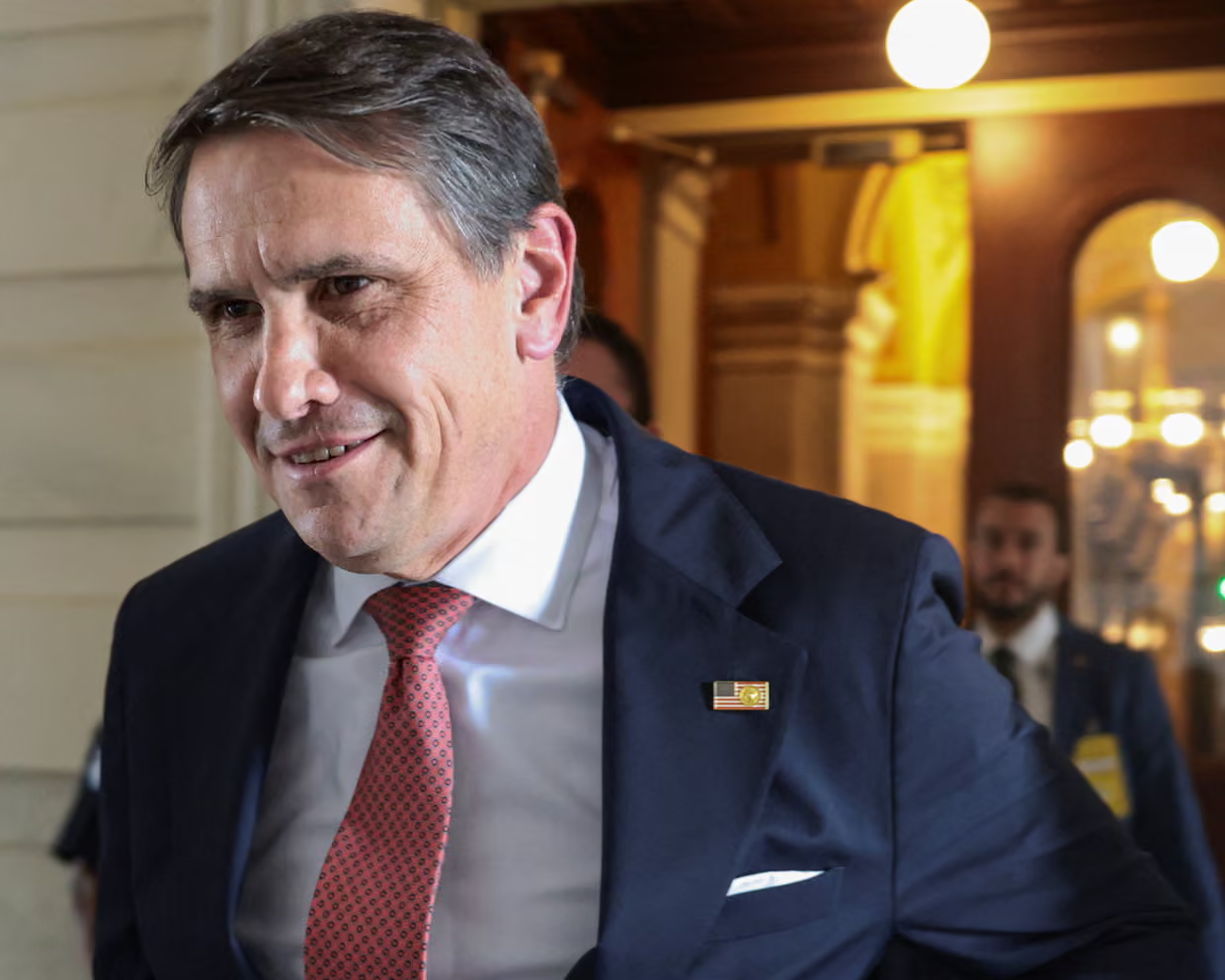
Although Donald Trump is no longer serving as president, his Iran policies continue to shape international discussions.
Many analysts believe the U.S. withdrawal from the JCPOA fundamentally altered diplomatic negotiations and made future agreements more complicated.
Supporters of Trump’s approach argue that stronger sanctions increased pressure on Iran.
Critics contend that the withdrawal reduced transparency and encouraged Iran to expand certain nuclear activities.
The debate over Trump’s strategy remains an important part of discussions surrounding the future of Iran’s nuclear program.
Can Diplomacy Still Work?
Many experts believe diplomacy remains the best long-term solution.
Potential future agreements could include:
- Limits on uranium enrichment.
- Expanded IAEA inspections.
- Phased sanctions relief.
- Regional security discussions.
- Confidence-building measures between Iran and Western nations.
Reaching a comprehensive agreement will require political compromise from multiple governments.
The Future of Iran’s Nuclear Program
Several possible scenarios may shape the coming years.
One possibility is a renewed international agreement that restores inspection mechanisms and limits enrichment.
Another scenario involves continued tensions, sanctions, and diplomatic deadlock.
Technological progress inside Iran also means that future negotiations may become increasingly complex.
Regardless of political outcomes, Iran’s nuclear program will remain one of the most closely watched geopolitical issues in the world.
Conclusion
The nuclear program of Iran represents one of the defining international security challenges of the 21st century. It combines science, diplomacy, economics, and regional politics into a highly complex issue with global consequences.
The decisions made by Trump during his presidency fundamentally changed the trajectory of U.S.-Iran relations by withdrawing from the 2015 nuclear agreement and imposing sweeping sanctions. Those decisions continue to influence negotiations today.
While disagreements remain over Iran’s intentions, most world leaders agree that preventing nuclear proliferation through diplomacy and international cooperation remains the preferred path forward. As negotiations continue, the future of Iran’s nuclear ambitions will likely remain at the center of global political discussions for years to come.