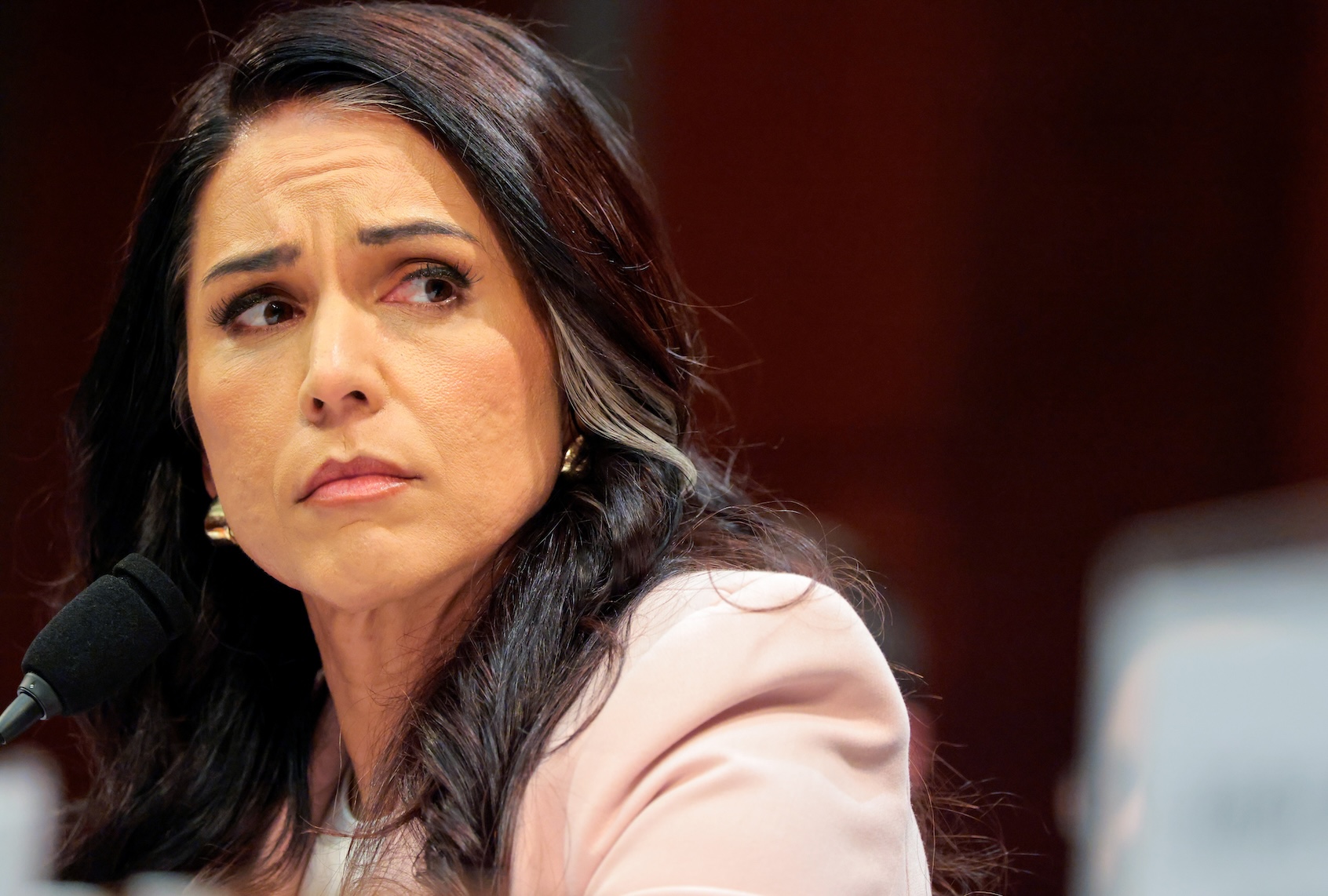
Tulsi Gabbard is one of the most unconventional figures in modern American politics. A former U.S. congresswoman, military veteran, and presidential candidate, she has built a career marked by strong anti-war positions, party switches, and spiritual associations that continue to attract public debate. At the center of much of this discussion is her long-standing connection to Chris Butler, a Hawaii-based spiritual teacher often described as her “guru.”
Understanding Gabbard requires looking at both her political evolution and the religious environment in which she was raised. Her story blends politics, spirituality, and controversy in ways that make her one of the most discussed public figures of her generation.
Early Life and Spiritual Background
Tulsi Gabbard was born into a family deeply connected to a spiritual movement in Hawaii. From a young age, she was exposed to devotional practices centered around Hindu philosophy, meditation, and vegetarian lifestyle teachings.
A major influence in her upbringing was Chris Butler, a spiritual leader associated with the Science of Identity Foundation, a group derived from the broader Hare Krishna movement. Butler’s teachings emphasized devotion to Krishna, strict spiritual discipline, and personal surrender to a guru.
According to multiple reports, Gabbard has referred to Butler as her spiritual teacher or “guru dev,” a term meaning spiritual master.
This connection has followed her throughout her public life, even as she has tried to separate her political identity from her spiritual upbringing.
Who Is Chris Butler?
Chris Butler is a controversial religious figure based in Hawaii who founded the Science of Identity Foundation (SIF). He began as a yoga teacher and later became a self-styled spiritual leader teaching a form of Krishna devotion.
His teachings are rooted in Gaudiya Vaishnavism, a tradition within Hinduism that emphasizes devotion to Lord Krishna, meditation, and disciplined living. However, critics and former followers have described his organization as highly controlling and secretive.
Over time, Butler developed a devoted following, with some members viewing him not just as a teacher but as a divine representative. His influence reportedly extended into social and cultural life in Hawaii, especially among families connected to his movement.
Tulsi Gabbard’s Political Rise
Tulsi Gabbard entered politics early, serving in the Hawaii State Legislature before joining the U.S. Army National Guard. She later deployed to the Middle East, an experience that strongly shaped her political worldview.
Her time in Iraq became a turning point. Gabbard emerged as a vocal critic of U.S. foreign interventions and the “war on terror,” positioning herself as one of the most anti-war voices in Congress.
She went on to serve in the U.S. House of Representatives, where she gained national attention for:
- Opposing regime-change wars
- Criticizing U.S. foreign policy in the Middle East
- Advocating for civil liberties and privacy protections
- Supporting selective bipartisan cooperation on foreign policy
Her political independence led her to eventually leave the Democratic Party and later align with more conservative and Republican figures.
The Chris Butler “Guru” Connection in Politics
One of the most debated aspects of Gabbard’s career is the influence of Chris Butler and the Science of Identity Foundation.
Investigative reporting in recent years has suggested that Butler’s influence may have extended beyond spiritual guidance into political messaging. Some reports claim that:
- Internal communications linked Butler’s circle with political advice
- Policy ideas and talking points were shared through intermediaries
- Gabbard’s positions sometimes aligned closely with teachings from Butler’s network
A major investigation described how confidential documents and memos appeared to reflect guidance that influenced policy positions and public messaging during her time in Congress.
However, Gabbard and her representatives have repeatedly denied that Butler or the group controlled her political decisions, stating that her beliefs and choices are independent.
Science of Identity Foundation Controversy
The Science of Identity Foundation has been the subject of ongoing controversy. Critics describe it as a tightly controlled spiritual organization with strong loyalty expectations toward its leader.
Concerns raised by former members and journalists include:
- Strong devotion expectations toward the guru
- Limited engagement with outside influences
- Close-knit internal networks influencing personal decisions
- Allegations of ideological rigidity
Supporters of the group argue that it is a legitimate spiritual community focused on Hindu teachings, meditation, and discipline.
The debate around SIF continues to shape public discussion of Gabbard’s background and political motivations.
Religion, Identity, and Public Perception
Tulsi Gabbard identifies as Hindu and has openly spoken about her spiritual beliefs throughout her career. She has even taken the oath of office using the Bhagavad Gita, signaling the importance of her faith in public life.
Her supporters argue that her spiritual foundation contributes to her anti-war stance and ethical worldview. Critics, however, question whether her early environment and associations have influenced her political independence.
This dual interpretation has made her a polarizing figure:
- To some, she is a principled independent thinker
- To others, she is too closely tied to a controversial spiritual network
Political Evolution and Party Shift
Gabbard’s political journey is unusual compared to most U.S. politicians. Over time, she has:
- Served as a Democratic congresswoman
- Criticized her own party leadership
- Left the Democratic Party
- Supported independent political positions
- Later aligned with conservative and Republican figures
This evolution reflects both ideological shifts and personal convictions, particularly regarding foreign policy and civil liberties.
Media Scrutiny and Ongoing Debate
In recent years, renewed attention has focused on the relationship between Gabbard and Chris Butler. Investigations have intensified discussions about whether spiritual influence played a deeper role in shaping her political trajectory.
Some reports suggest that Butler’s network may have had long-term ambitions to influence political discourse in the United States. Others argue these claims are exaggerated or politically motivated.
What remains clear is that the connection between Gabbard and Butler continues to be a subject of public debate, media investigation, and political controversy.
Conclusion
Tulsi Gabbard’s story is not a typical political biography. It is a complex mix of military service, anti-war activism, religious identity, and ongoing controversy surrounding her spiritual mentor Chris Butler.
Whether viewed as spiritual influence or political interference, the connection between Gabbard and Butler remains one of the most discussed aspects of her public life. As investigations and commentary continue, her legacy is still being shaped by both her political decisions and the questions surrounding her early spiritual environment.