The “House conservative Save America rebellion” has become one of the most closely watched political dynamics in Washington, reflecting deep fractures within the Republican Party and the ongoing battle over leadership, ideology, and strategy. At the center of this confrontation are hardline conservatives in the U.S. House of Representatives, the influence of the Save America movement tied to Donald Trump’s political network, and the challenges faced by House Speaker Mike Johnson in keeping the GOP unified.
This internal rebellion is not just about personalities—it is about power, policy direction, and the future identity of the Republican Party heading into a volatile election cycle.
What Is the “House Conservative Save America Rebellion”?
The term “House conservative Save America rebellion” refers to repeated uprisings by far-right and hardline Republican lawmakers in the House who have challenged their own leadership, blocked procedural votes, and demanded deeper alignment with the “America First” agenda associated with the Save America political movement.
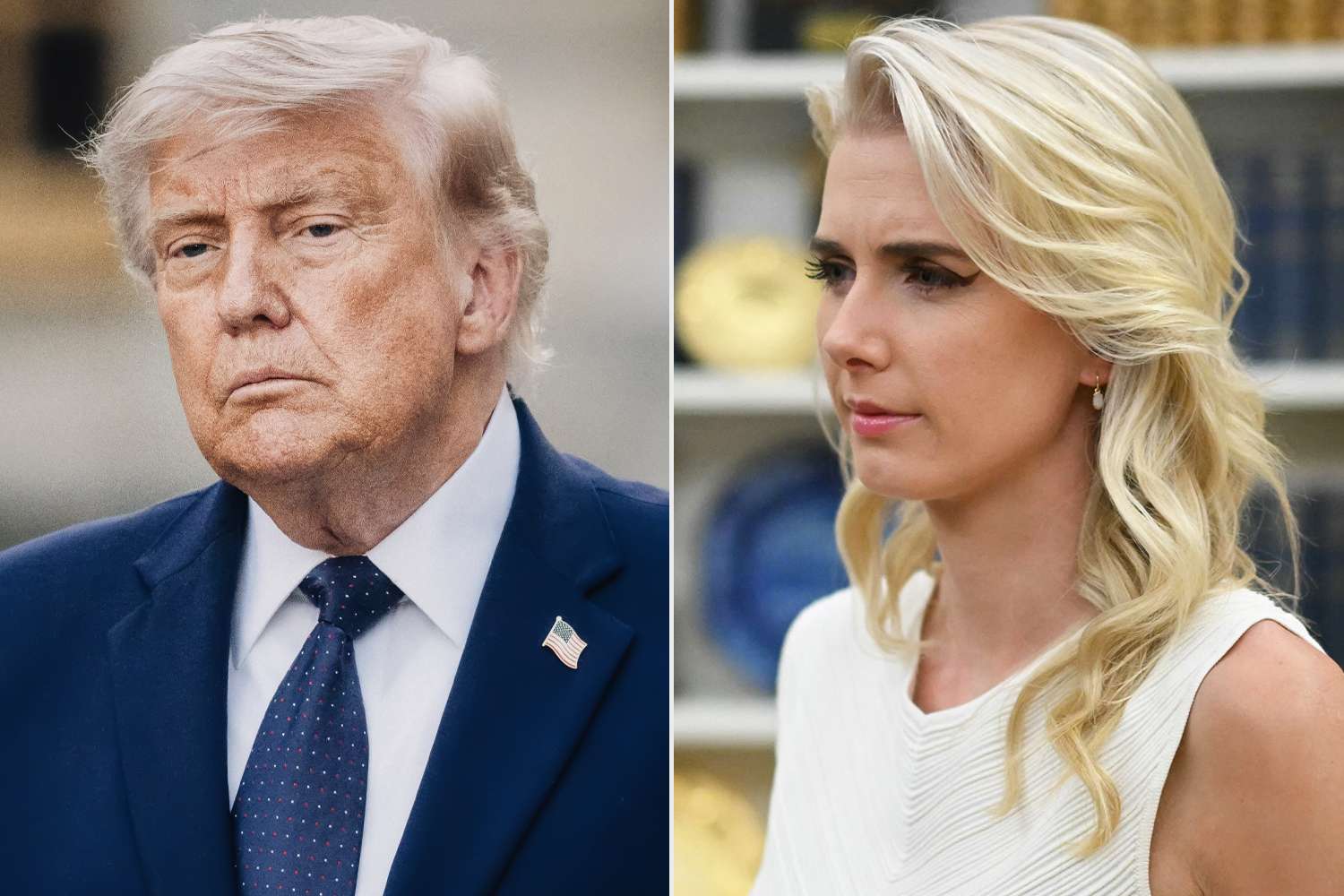
The Save America political ecosystem—built around Donald Trump’s post-presidency influence—has encouraged a more confrontational approach to governance. This has led to friction between establishment Republicans and insurgent conservatives who believe the party is not aggressive enough in opposing Democrats.
In practice, the rebellion has included:
- Opposition to bipartisan spending deals
- Resistance to continuing resolutions to fund the government
- Demands for stricter border security provisions
- Challenges to House leadership authority
- Threats to remove or replace GOP leaders
This pattern of internal resistance has made governing with a narrow House majority extremely difficult.
Mike Johnson and the Leadership Balancing Act
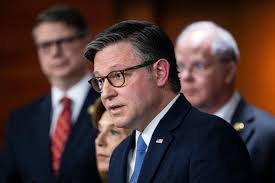
A key figure in this political struggle is House Speaker Mike Johnson, who has faced the difficult task of managing a fractured Republican caucus.
Johnson’s leadership challenge is twofold:
- Maintaining unity within a slim majority
- Avoiding constant shutdown threats or procedural chaos
Unlike previous speakers who could rely on broader GOP consensus, Johnson operates in an environment where even a small group of rebels can derail legislation. This gives a handful of hardline conservatives outsized influence over national policy outcomes.
To manage the situation, Johnson has often had to negotiate with the party’s most conservative members while also attempting to preserve bipartisan functionality to keep the government operating.
However, this balancing act has sometimes been criticized from both sides—moderates see too much concession to hardliners, while rebels argue he is not aggressive enough in advancing the Save America-aligned agenda.
The Role of the Save America Movement
The Save America movement, politically associated with Donald Trump’s post-presidency influence, plays a central role in fueling this rebellion. While not an official governing body, its political messaging has strongly shaped Republican voter expectations and congressional behavior.
Supporters of this approach argue that:
- The GOP must aggressively confront the Biden-era policy agenda
- Compromise weakens conservative principles
- Leadership should reflect grassroots conservative activism
Critics, however, warn that this approach creates instability in governance, weakens the party’s negotiating position, and risks alienating independent voters.
The result is a House Republican conference divided between institutional governance and insurgent political activism.
Key Issues Driving the Rebellion
Several policy and strategic disagreements have fueled the House conservative Save America rebellion:
1. Government Spending and Shutdown Threats
Hardline conservatives frequently push for deep spending cuts and have shown willingness to risk government shutdowns to force negotiations.
2. Border Security and Immigration
Immigration policy remains a core rallying point, with rebels demanding stricter enforcement measures and linking funding bills to border reforms.
3. Leadership Authority
There is ongoing resistance to centralized leadership power, with some lawmakers advocating for more decentralized decision-making in the House.
4. Ukraine and Foreign Aid
Foreign aid packages, particularly funding for Ukraine, have sparked repeated divisions within the GOP conference.
5. Committee and Procedural Leverage
Rebel lawmakers often use procedural tools—such as rules votes and discharge petitions—to influence legislation and pressure leadership.
The Political Strategy Behind the Rebellion
While the rebellion appears chaotic, it is also strategic. Hardline conservatives understand that in a narrowly divided House, even a small bloc can shape outcomes.
This strategy relies on:
- Leveraging tight margins to extract policy concessions
- Using media attention to amplify demands
- Aligning with grassroots conservative voters
- Pressuring leadership through public and internal negotiations
In this sense, the rebellion is not simply opposition—it is a form of internal power negotiation within the Republican Party.
Mike Johnson’s Response Strategy
House Speaker Mike Johnson has adopted a combination of compromise and procedural control to manage the crisis.
His approach includes:
- Negotiating directly with conservative holdouts
- Structuring bills to satisfy key factions
- Using short-term funding measures to avoid shutdowns
- Emphasizing party unity in public messaging
However, these strategies come with political costs. Every compromise risks alienating one faction or another, reinforcing the perception of instability within GOP leadership.
Impact on the Republican Party
The House conservative Save America rebellion is reshaping the Republican Party in several ways:
Increased Internal Fragmentation
The GOP is no longer a unified bloc but a coalition of competing ideological factions.
Leadership Vulnerability
Speakers and majority leaders operate under constant threat of internal challenges.
Policy Uncertainty
Legislative priorities are often delayed or reshaped by internal disputes.
Electoral Implications
Voters increasingly see the GOP as divided, which may influence swing districts in future elections.
Broader National Consequences
Beyond party politics, the rebellion has broader implications for governance:
- Delays in passing federal budgets
- Increased risk of government shutdowns
- Reduced predictability in U.S. policy direction
- Greater reliance on temporary funding measures
These effects contribute to broader concerns about institutional stability and legislative efficiency in Washington.
The Road Ahead
The future of the House conservative Save America rebellion depends on several factors:
- Whether GOP leadership can maintain a working majority
- How far hardline conservatives are willing to push confrontation
- The outcome of upcoming elections and potential shifts in House control
- The continued influence of the Save America political network
If tensions escalate, the Republican Party could face deeper internal restructuring. If compromises hold, the rebellion may evolve into a more formalized negotiating bloc within the party.
Either way, the struggle is likely to remain a defining feature of House politics in the coming years.
Conclusion
The House conservative Save America rebellion represents more than a political disagreement—it is a structural shift in how power operates within the Republican-controlled House of Representatives. With figures like House Speaker Mike Johnson navigating narrow margins and internal pressure, the GOP faces a defining test of unity and governance.
Whether this rebellion leads to reform, continued gridlock, or deeper fragmentation will depend on how effectively Republican leadership can balance ideology with the practical demands of governing a closely divided Congress.