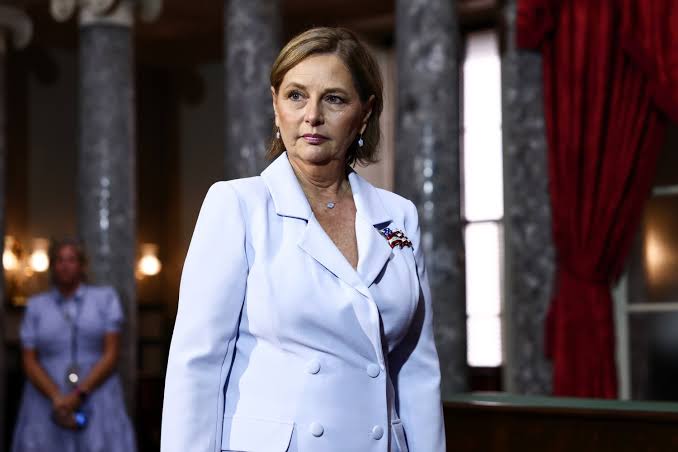
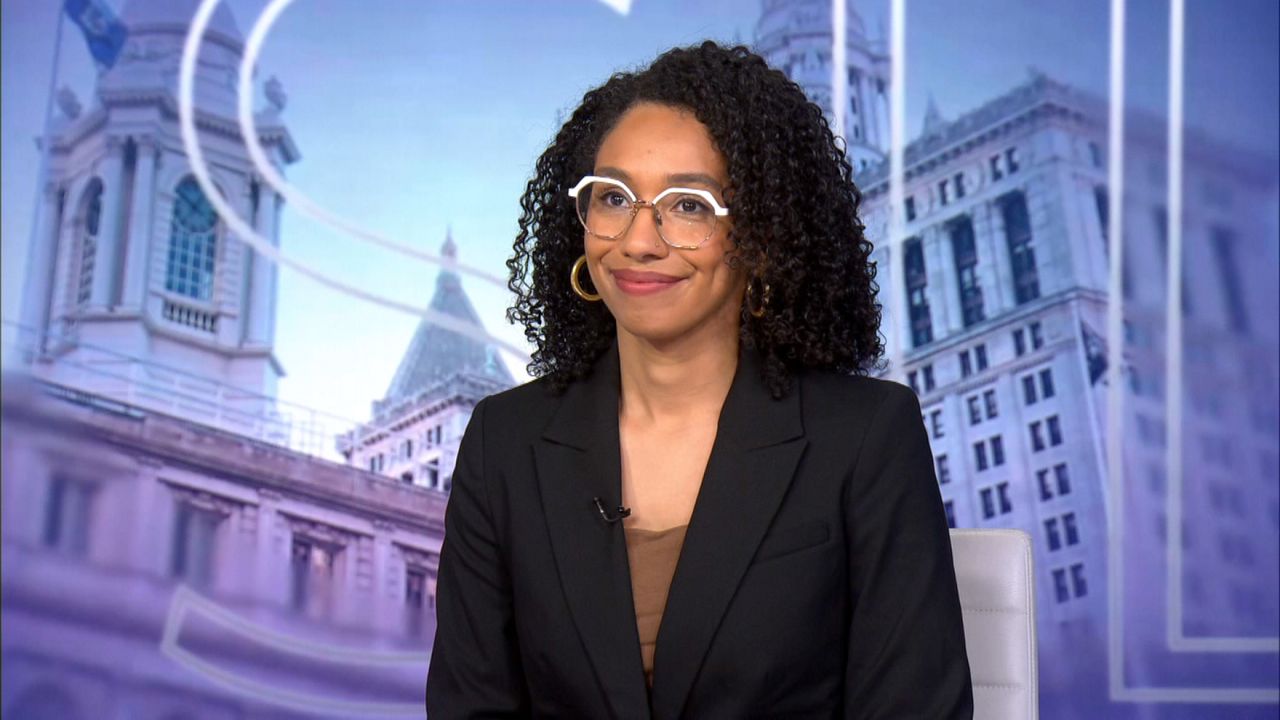
Darializa Avila Chevalier has emerged as one of the most discussed progressive political figures in New York politics. The community organizer, doctoral student, and Democratic Socialist gained national attention during the 2026 election cycle after challenging longtime Congressman Adriano Espaillat in New York’s 13th Congressional District.
Her campaign attracted support from progressive activists, labor organizers, and pro-Palestinian groups, while also generating controversy over past social media posts and her criticism of U.S. policy toward Israel. As public interest in her political future grows, many voters are searching for information about her background, ethnicity, polling numbers, tweets, and political positions.
Who Is Darializa Avila Chevalier?
Darializa Avila Chevalier is a New York-based community organizer, public defense investigator, and sociology doctoral candidate. She became widely known after launching a congressional campaign in New York’s 13th District, which includes parts of Harlem and the Bronx.
Before entering electoral politics, Avila Chevalier was involved in activism related to racial justice, immigration reform, labor organizing, and Palestinian rights. Her work as an investigator in the public defense system also shaped many of her policy positions regarding criminal justice reform.
Her supporters describe her as part of a new generation of progressive leaders seeking major changes in healthcare, housing, policing, and immigration policy.
Darializa Avila Chevalier’s Ethnicity and Family Background
She identifies as Afro-Latina and comes from a Dominican immigrant family. Reports indicate that she was born and raised in Florida before moving to New York City as a teenager. Her family roots trace back to the Dominican Republic, and she has frequently spoken about the experiences of Black immigrants and Afro-Latino communities.
Her campaign often highlighted issues affecting working-class immigrant families, particularly within Latino and Black communities. This background helped her connect with many younger voters who viewed her candidacy as representative of changing demographics within New York politics.
Polling and Election Performance
Polling became a major focus of media coverage during Avila Chevalier’s congressional campaign.
Early reports suggested that incumbent Adriano Espaillat held a significant advantage due to his long political career and strong name recognition. However, several later polls showed the race tightening as progressive organizations increased support for Avila Chevalier.
As the campaign entered its final weeks, political observers noted growing momentum behind her candidacy. Progressive groups, including the Democratic Socialists of America, invested heavily in organizing efforts throughout the district.
In June 2026, reports indicated that Avila Chevalier achieved a major upset victory in the Democratic primary, defeating Espaillat and attracting national attention from political analysts. Her victory was widely viewed as one of the most significant progressive wins of the election cycle.
Because New York’s 13th District strongly favors Democrats, political analysts suggested that her primary victory positioned her as a likely future member of Congress.
Controversy Over Tweets and Social Media Posts
Another area attracting public attention involves Avila Chevalier’s past social media activity.
Several news outlets reported on deleted tweets and social media posts that resurfaced during her congressional campaign. Critics pointed to messages that expressed support for abolishing police departments, prisons, and borders, along with other radical political positions.
Some reports also highlighted controversial comments regarding U.S. foreign policy, political leaders, and nationalism. During interviews, opponents questioned whether these statements reflected her current beliefs.
Supporters argued that many of the posts were taken out of context or represented opinions expressed years earlier. They emphasized her current policy platform and community organizing work rather than old social media activity.
The debate over her online history became one of the defining controversies of the campaign.
Darializa Avila Chevalier and Israel
Avila Chevalier’s position on Israel has generated substantial discussion throughout her political career.
She has been a vocal critic of Israeli government policies and has participated in pro-Palestinian activism. During her university years, she became involved in student organizing related to Palestinian rights and later continued advocating for changes in U.S. policy toward the Israel-Gaza conflict.
Her congressional campaign criticized American support for Israeli military actions and questioned the influence of pro-Israel lobbying organizations in U.S. politics. She also accused establishment politicians of failing to address Palestinian concerns.
Critics argued that some of her past statements crossed the line into hostility toward Israel itself. Reports cited old social media posts that appeared to challenge Israel’s legitimacy as a state, leading to accusations of extremism from opponents.
Meanwhile, supporters viewed her position as part of a broader movement advocating Palestinian human rights and calling for changes in American foreign policy. Several progressive organizations and activists endorsed her campaign despite the controversy.
Political Platform and Future Outlook
Beyond debates about tweets and foreign policy, Avila Chevalier built her campaign around a broader progressive agenda.
Key priorities included:
- Universal healthcare
- Affordable housing protections
- Criminal justice reform
- Immigration reform
- Ending corporate influence in politics
- Restrictions on congressional stock trading
- Expanded social welfare programs
She also advocated for stronger protections for tenants and working-class families facing rising living costs in New York City.
Her success demonstrates the growing influence of younger progressive voters and grassroots organizations within Democratic politics. Whether supporters view her as a transformative reformer or critics see her as too radical, there is little doubt that Darializa Avila Chevalier has become an important figure in the evolving political landscape of New York and the United States.
Conclusion
Darializa Avila Chevalier’s rise from community organizer to congressional candidate reflects major shifts occurring within American politics. Her Afro-Latina background, progressive platform, pro-Palestinian activism, and controversial social media history have made her one of the most closely watched new political figures in the country.
With a high-profile election victory and growing national attention, her political career will likely remain a topic of discussion among voters, activists, and political analysts for years to come.