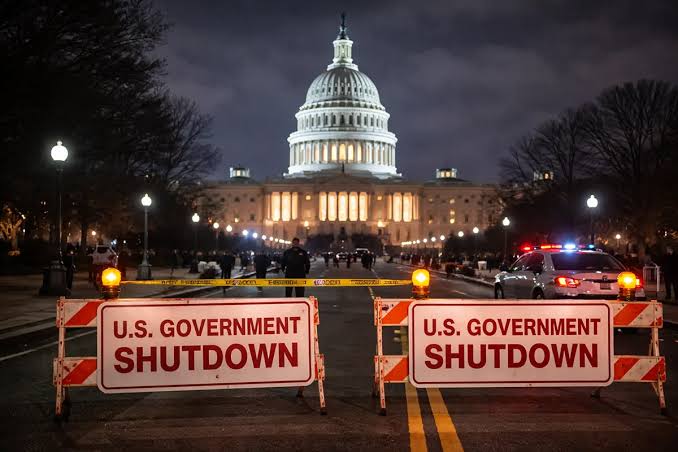
Government shutdowns have become one of the most visible signs of political gridlock in the United States. Whenever Congress and the President fail to agree on government funding, federal agencies can face temporary closures, employees may be furloughed, and public services can be disrupted. While shutdowns are often discussed during budget battles, many Americans remain unclear about what they are, why they happen, and how they affect everyday life.
This article explores the history, causes, consequences, and political significance of government shutdowns in the United States.
What Is a Government Shutdown?
A government shutdown occurs when Congress fails to pass, and the President fails to sign, legislation that provides funding for federal government operations. Without approved appropriations, many federal agencies cannot legally spend money and must suspend non-essential activities. Essential services related to national security, public safety, and the protection of life and property generally continue operating, though employees may work without immediate pay.
Government shutdowns are often referred to as “funding lapses” because they result from a gap in federal appropriations. The federal fiscal year begins on October 1, and lawmakers are expected to approve funding bills before that date. When they fail to do so, a shutdown may occur.
Why Do Government Shutdowns Happen?
The primary reason for government shutdowns is political disagreement over spending legislation. Congress must approve funding bills, and both the House of Representatives and the Senate must agree on the final version before it can be signed into law by the President.
Shutdowns often arise because of:
- Disputes over federal spending levels
- Conflicts regarding major policy issues
- Partisan disagreements between political parties
- Delays in passing annual appropriations bills
- Failure to approve temporary funding measures known as Continuing Resolutions (CRs)
In many cases, shutdowns are not solely about budgets. They can become political battles over immigration, healthcare, border security, and other controversial issues.
The Legal Basis for Shutdowns
The legal foundation for government shutdowns comes from the Antideficiency Act. This law prohibits federal agencies from spending money that has not been appropriated by Congress.
When funding expires, agencies must determine which functions are essential and which activities must stop until Congress restores funding. This process has become standard practice since legal interpretations issued in the 1980s clarified how agencies should operate during funding gaps.
History of Government Shutdowns in the United States
Although funding disputes existed earlier, modern government shutdowns became more common after budget reforms in the 1970s. Since then, the United States has experienced numerous shutdowns of varying lengths and political significance.
The 1995–1996 Shutdown
One of the most famous shutdowns occurred during the administration of President Bill Clinton. Budget disputes between the White House and a Republican-controlled Congress led to shutdowns lasting a combined 27 days, including a 21-day shutdown that was the longest on record at the time.
The 2013 Shutdown
The 2013 shutdown lasted 16 days and centered largely on disagreements surrounding the Affordable Care Act, often called Obamacare. Hundreds of thousands of federal employees were affected, and many government services experienced delays.
The 2018–2019 Shutdown
The longest government shutdown in modern U.S. history began in December 2018 and lasted 35 days. The dispute focused primarily on border wall funding during the administration of Donald Trump. Approximately 800,000 federal workers were impacted.
How Government Shutdowns Affect Federal Employees
Federal employees are among the groups most directly affected during a shutdown.
Essential Employees
Certain workers continue performing critical duties, including:
- Air traffic controllers
- Military personnel
- Law enforcement officers
- Border Patrol agents
- Emergency response workers
Many of these employees must continue working without receiving immediate pay until funding is restored.
Furloughed Employees
Workers whose roles are not considered immediately necessary are placed on furlough. These employees are temporarily prohibited from working and often face uncertainty regarding pay and future responsibilities.
Economic Impact of Government Shutdowns
Government shutdowns can have significant economic consequences that extend beyond Washington, D.C.
Reduced Consumer Spending
When federal workers miss paychecks or worry about future income, spending often declines. This reduction can negatively affect local businesses, especially in areas with large federal workforces.
Delays in Government Services
Many services may slow down or temporarily stop during a shutdown, including:
- Passport applications
- Taxpayer assistance
- Regulatory approvals
- Scientific research projects
- National park operations
These disruptions can affect citizens, tourists, and businesses alike.
Impact on Economic Growth
Extended shutdowns may reduce economic growth by delaying government contracts, slowing public-sector activities, and weakening consumer confidence. Financial markets often react negatively to prolonged uncertainty surrounding federal funding.
Political Consequences
Government shutdowns frequently become major political battles. Public opinion often shifts depending on which political party voters believe is responsible for the impasse.
Political leaders may use shutdown negotiations to push policy priorities, but shutdowns can also damage public trust in government institutions. Historically, prolonged shutdowns have often resulted in lower approval ratings for elected officials involved in the dispute.
Can Government Shutdowns Be Prevented?
Many experts have proposed reforms to reduce the likelihood of future shutdowns.
Common proposals include:
- Automatic continuing resolutions
- Multi-year federal budgeting
- Earlier bipartisan budget agreements
- Reforms to the congressional appropriations process
Supporters argue these measures would provide stability and prevent disruptions to public services. Critics, however, contend that shutdown threats remain a useful negotiating tool during budget disputes.
Why Government Shutdowns Matter
Government shutdowns matter because they highlight deeper challenges within the American political system. They demonstrate how disagreements over spending and policy priorities can affect millions of citizens, federal employees, and businesses across the country.
Although most shutdowns eventually end through compromise, the disruptions they create can leave lasting economic and political effects. For this reason, government shutdowns remain one of the most closely watched events in U.S. politics.
Conclusion
Government shutdowns in the United States are more than temporary funding disputes. They affect federal workers, public services, economic activity, and public confidence in government. While shutdowns arise from disagreements over budgets and policy priorities, their consequences extend far beyond the halls of Congress.
As political polarization continues to influence American politics, government shutdowns remain a recurring challenge. Understanding their causes, consequences, and historical significance helps citizens better understand how the federal government functions and why budget negotiations are so important.