Introduction
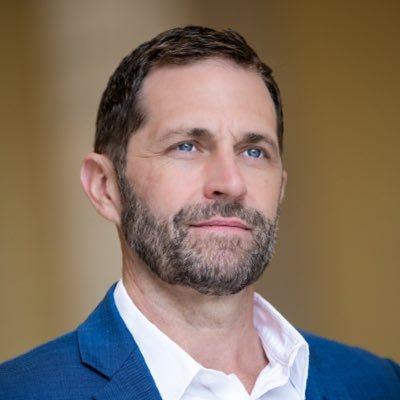
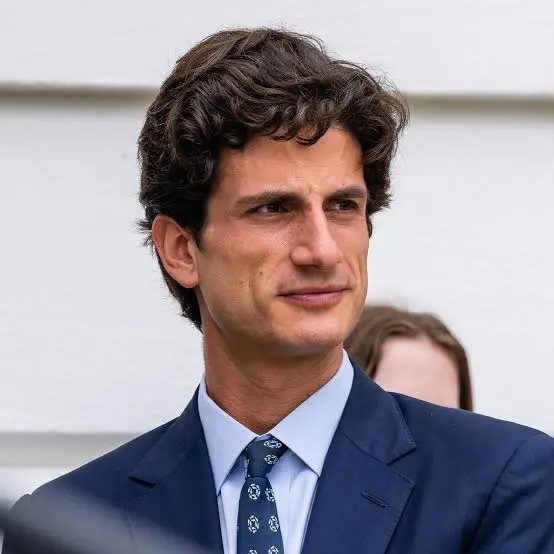
Jack Schlossberg has become one of the most talked-about figures in American politics. As the grandson of President John F. Kennedy and the son of Caroline Kennedy, Schlossberg carries one of the most recognizable names in U.S. political history. His entry into politics attracted national media attention, with many people wondering whether a new generation of the Kennedy family could successfully return to elected office.
During his congressional campaign, topics such as polling numbers, election results, whether he won, and his views on Israel became major points of discussion. This article examines Jack Schlossberg’s political journey, campaign performance, election results, and position on Israel.
Who Is Jack Schlossberg?
Jack Schlossberg is an American writer, political commentator, and public figure known for being the only grandson of President John F. Kennedy. He graduated from Yale University and later attended Harvard Law School. Before entering politics, Schlossberg built a strong online following through social media and public appearances, where he frequently discussed democracy, public service, and current political issues.
His political profile grew significantly when he launched a campaign for New York’s 12th Congressional District. The race quickly became one of the most closely watched Democratic primaries in the United States due to the district’s importance and Schlossberg’s famous family background.
Jack Schlossberg Polls
Throughout the campaign, Jack Schlossberg performed well in several public opinion polls. Early surveys showed him leading or competing closely with other Democratic candidates. His strong polling numbers were largely attributed to his famous family name, widespread media coverage, and popularity among younger voters.
Many political analysts believed Schlossberg had a realistic chance of winning because he entered the race with significant name recognition. Unlike many first-time candidates, voters already knew who he was before the campaign officially began.
However, polling numbers changed as the election approached. Other candidates increased their support through endorsements, local political connections, and extensive grassroots campaigning. As undecided voters made their final decisions, Schlossberg’s early advantage began to narrow.
Polls remained competitive throughout much of the campaign, making the outcome difficult to predict until Election Day.
Did Jack Schlossberg Win?
No, Jack Schlossberg did not win the Democratic primary election.
Although he received substantial media attention and performed strongly in early polls, he ultimately failed to secure enough votes to win the nomination. The race became increasingly competitive in its final weeks, and voters ultimately chose a candidate with more direct government and legislative experience.
His defeat surprised some political observers because of the strong interest generated by his campaign. Nevertheless, election results demonstrated that name recognition alone was not enough to secure victory in a highly competitive congressional race.
Election Results
The final election results showed that Schlossberg finished behind the winning candidate in the Democratic primary. While his campaign attracted national attention and enthusiastic supporters, it was unable to build enough momentum to secure first place.
Political experts noted that the winner benefited from a stronger local political network, greater government experience, and a more established campaign organization. These factors played an important role in persuading voters who were looking for experienced leadership.
After the results were announced, Schlossberg thanked his supporters and accepted the outcome of the election. His concession was widely viewed as respectful and professional, reflecting the public-service values often associated with the Kennedy family legacy.
Although the election ended in defeat, many analysts believe Schlossberg could remain active in politics and potentially seek public office again in the future.
Jack Schlossberg’s Position on Israel
Israel became one of the most significant issues during Schlossberg’s campaign. Like many Democratic candidates across the country, he faced questions about U.S.-Israel relations, military aid, and the ongoing conflict in the Middle East.
Throughout the campaign, Schlossberg expressed support for Israel’s security while also raising concerns about humanitarian issues affecting civilians in Gaza. His comments reflected broader debates occurring within the Democratic Party regarding America’s relationship with Israel.
Some progressive voters praised his willingness to discuss humanitarian concerns and advocate for greater accountability. Others believed his positions changed over time, creating confusion about where he ultimately stood on certain policy questions.
Supporters argued that his views demonstrated a thoughtful approach to a complex issue. Critics, however, claimed that inconsistent messaging made it difficult for voters to understand his foreign policy priorities.
As a result, Israel became one of the most discussed topics surrounding his campaign and may have influenced how some voters viewed his candidacy.
Why Jack Schlossberg Lost
Several factors contributed to Schlossberg’s defeat in the election.
One major factor was his lack of political experience. While he benefited from the Kennedy name and strong public recognition, many voters preferred candidates who had already served in government or held elected office.
Another challenge was the highly competitive nature of the race. Multiple candidates entered the primary with strong fundraising networks, endorsements, and political organizations. This made it difficult for any one candidate to dominate the field.
Campaign strategy also played a role. Some observers suggested that Schlossberg’s campaign focused heavily on national attention and media coverage rather than local district issues that directly affected voters.
Finally, debates over Israel and other policy matters created additional scrutiny. As voters examined candidates more closely, policy experience and consistency became increasingly important considerations.
The Kennedy Legacy and Future Political Prospects
Despite losing the election, Schlossberg remains one of the most recognizable young figures in American politics. His campaign introduced him to millions of voters and established him as a national political personality.
The Kennedy family legacy continues to generate public interest, and many supporters believe Schlossberg could pursue another campaign in the future. Political careers often involve setbacks, and many successful politicians lost elections before eventually winning office.
If he chooses to remain involved in public life, Schlossberg will likely continue influencing political discussions through media appearances, public advocacy, and future political opportunities.
Conclusion
Jack Schlossberg entered politics with significant advantages, including national recognition, a famous family name, and strong early polling numbers. However, despite early optimism, he did not win the Democratic primary election. The final election results showed that voters ultimately chose a candidate with greater political experience and stronger local support.
His campaign nevertheless attracted widespread attention and sparked discussions about political dynasties, generational leadership, and U.S.-Israel relations. While the election ended in defeat, Jack Schlossberg remains a notable figure in American politics, and many observers believe his political story is far from over.