The Donald Trump helipad project has become one of the most talked-about White House renovation initiatives of 2026. Construction crews recently began work on a permanent helipad on the White House South Lawn, marking a significant change to one of America’s most recognizable landmarks. While supporters describe the project as a practical solution for modern presidential transportation, critics argue it alters the historic appearance of the Executive Mansion.
The project has sparked nationwide debate because it combines national security, presidential logistics, historical preservation, and politics into one high-profile development. Here’s everything you need to know about the proposed helipad, why it is being built, and what it could mean for future presidents.
What Is the Donald Trump Helipad Project?
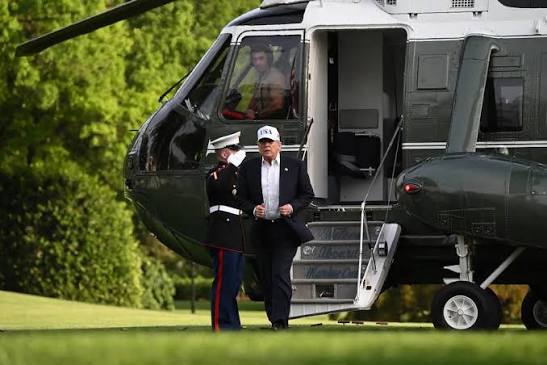
The Donald Trump helipad project involves constructing a permanent landing pad on the White House South Lawn for Marine One, the helicopter used to transport the President of the United States.
Unlike the traditional grass landing area used for decades, the new helipad is designed to provide a durable surface capable of handling the latest generation of presidential helicopters without damaging the lawn.
Construction reportedly began without a formal public announcement, with work taking place behind temporary fencing surrounding part of the South Lawn. Reports indicate the project is intended to solve a long-standing operational issue involving newer Marine One helicopters.
Why Is Trump Building a Permanent Helipad?
The main reason behind the project is protecting the historic South Lawn from damage.
The newest Marine One aircraft, the VH-92A Patriot, features more powerful engines and downward-facing exhaust systems. Officials have reportedly found that these helicopters can scorch or burn the grass during takeoff and landing.
Because of this issue, the Marine Corps has faced limitations in using the newest helicopters directly on the White House grounds.
A permanent helipad would eliminate this problem by replacing grass with a specially constructed landing surface designed to withstand repeated helicopter operations.
How Marine One Is Affected
Marine One has long been one of the most recognizable symbols of the American presidency.
Traditionally, the helicopter lands directly on the South Lawn, where presidents wave to reporters and visitors before boarding.
However, the introduction of the VH-92A Patriot created unexpected operational challenges.
Officials have reportedly continued using older helicopter models at the White House in certain situations because the newer aircraft’s exhaust can damage the lawn.
The helipad aims to solve that logistical issue while allowing full use of the modern presidential helicopter fleet.
Funding Behind the Project
According to multiple reports, defense contractor Lockheed Martin, the parent company of Sikorsky Aircraft, plans to contribute $5 million toward the project.
Sikorsky manufactures the VH-92A helicopters used for presidential transport.
The reported donation has attracted political attention because it involves a major defense company helping finance construction on White House grounds.
While supporters argue the contribution addresses an operational problem, critics have questioned the optics of corporate involvement in a presidential construction project.
Part of a Larger White House Renovation
The Donald Trump helipad project is only one element of a broader effort to renovate portions of the White House complex.
Since returning to office, Trump has proposed or initiated several high-profile changes, including:
- A new White House ballroom
- Renovations around the Oval Office
- Changes to parts of the Rose Garden
- Additional landscaping and exterior improvements
- The South Lawn helipad
Supporters describe these efforts as modernization, while opponents argue they significantly alter the historic character of the Executive Mansion.
Historical Significance of the South Lawn
The White House South Lawn has served as the ceremonial arrival and departure point for American presidents for generations.
Television audiences worldwide have watched presidents board Marine One directly from the grass before departing for official events, foreign travel, or emergency situations.
A permanent helipad would represent one of the most visible physical changes to this tradition in decades.
Although helicopters have landed there for many years, previous administrations reportedly chose not to install a permanent landing surface because of historical and aesthetic concerns.
Supporters Say the Project Makes Sense
Those backing the project argue it is simply practical.
Their main arguments include:
- Better protection for the historic lawn
- Improved operational efficiency
- Reduced maintenance costs
- Compatibility with modern Marine One helicopters
- Increased reliability during all weather conditions
Supporters also note that the issue of damaged grass has existed since testing of the newer helicopter fleet began.
From this perspective, a permanent helipad represents an engineering solution rather than a political statement.
Critics Raise Preservation Concerns
Opponents believe the project changes one of America’s most historic landscapes.
Some preservation advocates argue that:
- The South Lawn’s traditional appearance should remain unchanged.
- Temporary landing solutions could still be used.
- Permanent construction may diminish the iconic visual image associated with Marine One.
- Major alterations deserve greater public discussion before construction begins.
Critics also question whether such changes fit within the historical significance of the White House grounds.
Political Debate Continues
Like many Trump administration projects, the helipad has quickly become politically divisive.
Republican supporters generally frame the project as a practical infrastructure upgrade that future presidents of either party can use.
Democratic critics and preservation advocates often argue that the White House should prioritize maintaining its historic identity over extensive modernization.
The differing perspectives reflect broader debates over presidential authority, government spending, and preservation of national landmarks.
Could Future Presidents Use It?
Yes.
If completed, the helipad would almost certainly become a permanent feature available to future presidents regardless of political party.
Much like previous White House renovations carried out under different administrations, infrastructure improvements generally remain in place for future occupants of the Executive Mansion.
That means presidents decades from now could potentially benefit from the new landing facility.
What Happens Next?
Construction is expected to continue while additional details emerge regarding:
- Final project cost
- Construction timeline
- Security enhancements
- Official White House announcements
- Historic preservation reviews
Because work reportedly began before a public announcement, observers continue monitoring developments closely.
Additional information may clarify whether design modifications or preservation measures are incorporated before completion.
Final Thoughts
The Donald Trump helipad project represents far more than the construction of a landing pad. It sits at the intersection of presidential logistics, military operations, historical preservation, and modern politics.
Supporters view it as a necessary upgrade that allows the newest Marine One helicopters to operate safely without damaging the White House grounds. Critics, meanwhile, worry that permanent changes to the South Lawn could alter an iconic symbol of the American presidency.
As construction progresses, the project is likely to remain a significant topic in discussions about the future of the White House, balancing operational needs with the responsibility of preserving one of the nation’s most historic landmarks.