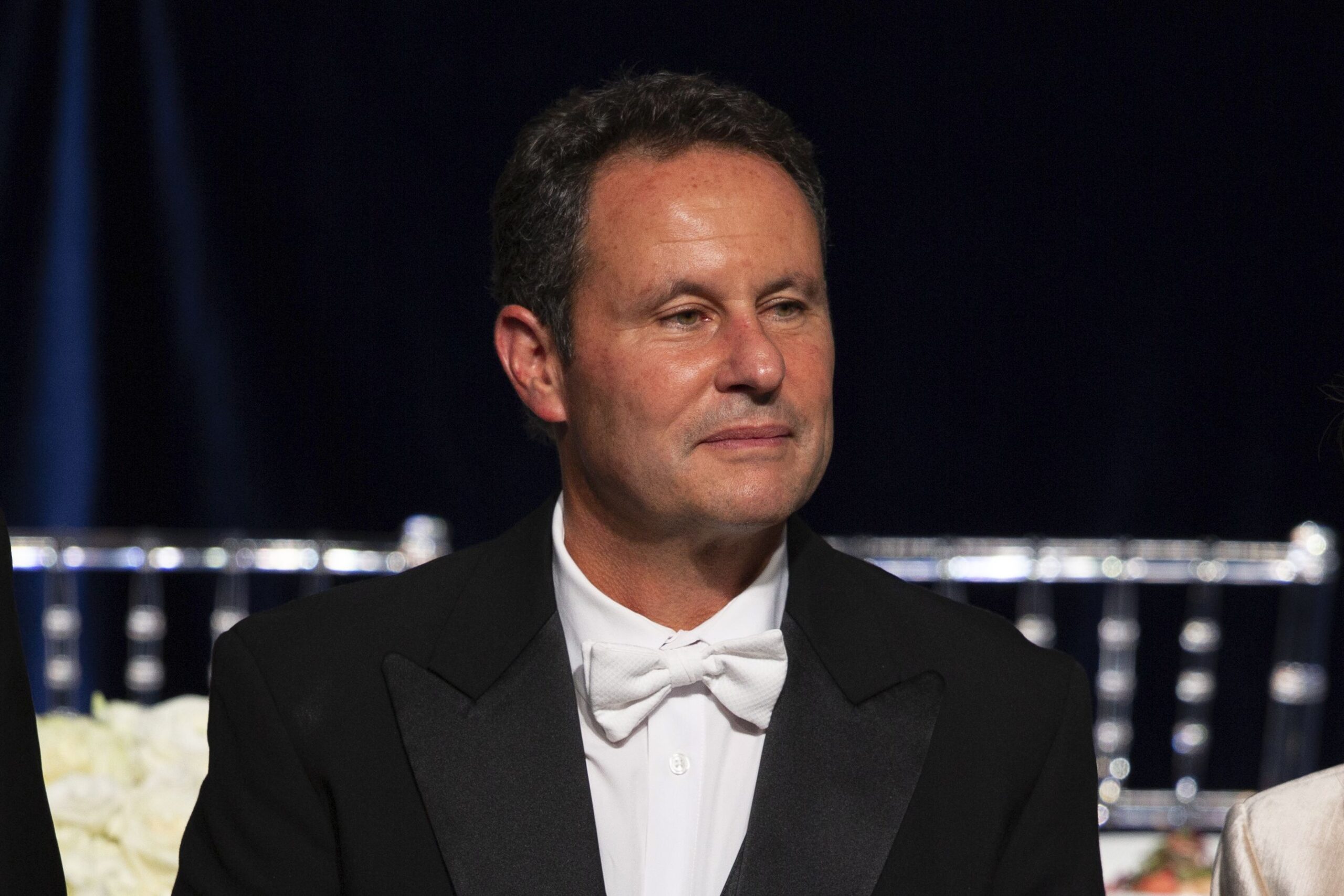
Relations between U.S. President Donald Trump and Israeli Prime Minister Benjamin Netanyahu have come under renewed scrutiny after Fox News host Brian Kilmeade directly questioned Netanyahu about reports of growing tension between the two leaders.
During an interview on Fox & Friends, Kilmeade asked the Israeli prime minister whether his relationship with Trump was “under strain,” reflecting weeks of speculation following disagreements over military operations in the Middle East and U.S. diplomatic efforts. Netanyahu firmly denied that the alliance was in trouble, insisting that while disagreements exist, the partnership remains strong.
This exchange has sparked widespread discussion among political analysts, especially as both leaders continue to navigate major security challenges in the Middle East.
Why Brian Kilmeade Asked the Question
Brian Kilmeade’s question wasn’t random. It followed a series of headlines suggesting increasing friction between Washington and Jerusalem.
Reports over recent weeks have indicated that President Trump has publicly criticized some Israeli military decisions, particularly operations involving Hezbollah in Lebanon. Those reports fueled speculation that the traditionally close relationship between Trump and Netanyahu had become more complicated than in previous years.
Kilmeade asked:
“Mr. Prime Minister, is the relationship with the president under strain right now?”
The question immediately became one of the interview’s biggest moments because it addressed concerns many observers had already been discussing.
Netanyahu’s Response
Netanyahu rejected the suggestion that ties had significantly deteriorated.
He explained that close allies naturally experience policy disagreements from time to time but emphasized that the United States and Israel continue to share common strategic interests.
According to Netanyahu:
- The U.S. and Israel still “see eye-to-eye” on most major issues.
- Differences are handled through direct conversations.
- The alliance remains one of the strongest partnerships in international politics.
His comments appeared intended to reassure both Israeli and American audiences that temporary disagreements do not equal a diplomatic crisis.
Why Are Trump and Netanyahu Reportedly Disagreeing?
Several recent developments have contributed to reports of tension.
1. Lebanon Operations
President Trump has reportedly expressed frustration over Israeli military actions involving Hezbollah, arguing that additional strikes risk escalating regional conflict while the U.S. has been pursuing diplomatic initiatives.
2. Iran Policy
Another source of disagreement involves Iran.
While both leaders continue to oppose Iran’s regional influence, reports suggest they have differed on the timing and strategy for handling Tehran through diplomacy versus military pressure.
3. Public Messaging
Observers have also noted that Trump has occasionally voiced criticism publicly rather than limiting discussions to private diplomatic channels, creating headlines that fueled speculation about their personal relationship.
Are Trump and Netanyahu Actually Falling Out?
Not necessarily.
Political alliances between world leaders often include disagreements over military strategy, diplomacy, and national interests.
Despite reports of friction, both Trump and Netanyahu have recently reaffirmed their commitment to maintaining strong U.S.-Israel relations.
Trump has stated that he and Netanyahu “get along very good,” while Netanyahu has repeatedly emphasized that the two countries remain close allies.
That suggests the disagreements are more about policy decisions than a complete breakdown in personal relations.
Why This Matters for U.S.-Israel Relations
The United States remains Israel’s most important international ally.
Any indication of disagreement between the American president and the Israeli prime minister immediately attracts worldwide attention because cooperation affects:
- Regional security
- Iran policy
- Military coordination
- Diplomatic negotiations
- Middle East peace initiatives
Even relatively small public disagreements can influence markets, international diplomacy, and regional political calculations.
Political Significance
For President Trump, maintaining influence in Middle East diplomacy remains a central foreign policy objective.
For Netanyahu, demonstrating continued American support is politically valuable, particularly during periods of regional instability.
This explains why both leaders have sought to publicly minimize reports of a serious rift while acknowledging occasional differences.
Media Reaction
Kilmeade’s question quickly circulated across political media because it reflected what many commentators had been debating for weeks.
Rather than avoiding the topic, Netanyahu chose to answer directly, reinforcing his position that disagreements are normal among allies.
Political analysts noted that the interview served as an opportunity for Netanyahu to publicly reassure supporters that strategic cooperation with Washington remains intact.
What’s Next?
Reports indicate Trump and Netanyahu have discussed meeting in person in the near future, a move that could help reinforce the public image of the U.S.-Israel alliance despite recent policy disagreements.
Such a meeting would likely focus on:
- Iran
- Hezbollah
- Regional security
- U.S.-Israel military cooperation
- Ongoing diplomatic efforts across the Middle East
The outcome could shape both countries’ foreign policy messaging in the months ahead.
Final Thoughts
Brian Kilmeade’s direct question to Benjamin Netanyahu highlighted growing public interest in the evolving relationship between the Israeli prime minister and President Donald Trump. While recent disagreements over military operations and diplomacy have generated headlines, Netanyahu firmly rejected suggestions of a serious rift, describing the relationship as one between close allies who occasionally disagree.
Whether future meetings between the two leaders reduce speculation or reveal deeper policy differences remains to be seen. For now, both governments continue to emphasize that the U.S.-Israel partnership remains strategically strong despite recent public tensions.
Related: After reading about U.S.-Israel political developments, explore how Zohran Mamdani’s Wife Chooses Islamic Wellness Retreat Over America 250 Celebration sparked debate over personal values, public symbolism, and Independence Day celebrations in America.