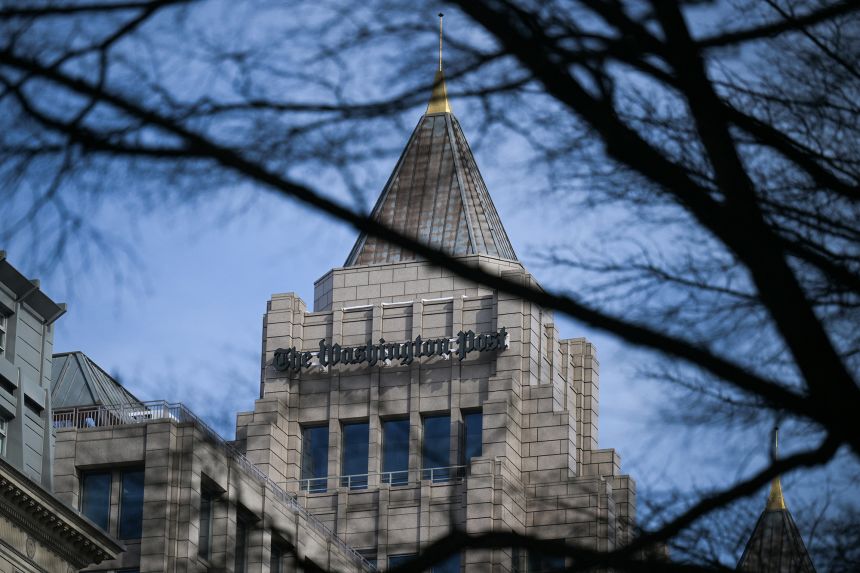
The Washington Post remains one of America’s most influential newspapers, but it has also become the subject of growing public curiosity. Questions such as “Was The Washington Post sued?”, “How much did Jeff Bezos pay for The Washington Post?”, “Is The Washington Post reputable?”, and “Who owns The Washington Post now?” are among the most searched topics online.
Recent legal developments, changes in editorial policy, and debates surrounding media ownership have placed the newspaper under increased public scrutiny. This guide answers the most common questions while explaining the history, ownership, and reputation of one of the world’s best-known news organizations.
Was The Washington Post Sued?
Yes. Like many major media organizations, The Washington Post has faced multiple lawsuits over the years, including defamation claims, employment disputes, copyright matters, and more recently consumer-related litigation.
One of the latest legal developments came in 2026, when a proposed class-action lawsuit accused the newspaper of using subscriber data for “surveillance pricing” to determine renewal costs. The lawsuit alleges the publication collected customer information to personalize subscription pricing. The claims remain allegations, and the litigation is ongoing.
Separately, The Washington Post has also been the target of defamation lawsuits throughout its history. Some have been dismissed, while others have been settled or resolved through the courts. Large news organizations frequently face legal challenges because of investigative reporting and high-profile political coverage.
Importantly, being sued does not necessarily indicate wrongdoing. Many lawsuits against media outlets are dismissed after courts determine that the reporting is protected by constitutional free speech and press protections.
How Much Did Jeff Bezos Pay for The Washington Post?
Jeff Bezos purchased The Washington Post in 2013 for $250 million in cash through his private investment company, Nash Holdings. The acquisition surprised both the media industry and financial markets because Bezos purchased the newspaper personally rather than through Amazon.
At the time of the sale, traditional newspapers were struggling with declining print advertising revenue and falling circulation. Bezos believed digital innovation could help transform the historic publication into a stronger national news organization.
Following the acquisition, the newspaper invested heavily in:
- Digital subscriptions
- Website performance
- Mobile journalism
- Newsroom technology
- Data-driven publishing
These investments helped expand its online readership significantly during the following years.
Who Owns The Washington Post Now?
As of 2026, Jeff Bezos remains the owner of The Washington Post through Nash Holdings LLC, the private company created specifically for the purchase.
Although Bezos owns the newspaper, editors and journalists traditionally maintain editorial independence. However, debates about the owner’s influence have intensified following several controversial editorial decisions and policy changes during recent years.
Ownership of major news organizations often attracts public attention because editorial direction can shape political reporting, investigative journalism, and opinion coverage.
Is The Washington Post a Reputable News Source?
Generally, yes.
The Washington Post is widely regarded as one of the most respected newspapers in the United States. It has earned dozens of Pulitzer Prizes and is internationally recognized for investigative journalism and political reporting.
The newspaper gained worldwide recognition for its reporting on the Watergate scandal, coverage that contributed to President Richard Nixon’s resignation.
Today, The Washington Post continues reporting on:
- U.S. politics
- Congress
- White House developments
- National security
- International affairs
- Business and technology
- Investigative journalism
Like nearly every major media organization, however, it also receives criticism from readers across the political spectrum.
Some conservatives argue its political coverage favors Democrats, while some liberals have criticized editorial decisions made under Bezos’ ownership. Recent newsroom controversies surrounding opinion-page policies have also generated significant public debate.
Despite political criticism, journalism organizations continue to recognize its investigative work.
Why Is The Washington Post Frequently in the News?
Several factors keep The Washington Post in headlines:
1. Political Coverage
The newspaper covers Congress, presidential elections, Supreme Court decisions, and federal agencies daily.
2. Jeff Bezos’ Ownership
Because Bezos is among the world’s wealthiest individuals, decisions involving the newspaper often attract national attention.
3. Editorial Changes
Recent shifts involving opinion content and editorial strategy have sparked debate among journalists and subscribers.
4. Lawsuits and Legal Disputes
High-profile media companies frequently become involved in legal challenges arising from investigative reporting or business practices.
Frequently Asked Questions
Was The Washington Post sued?
Yes. The newspaper has faced various lawsuits over the years, including defamation cases and recent consumer litigation related to subscription pricing. The latest class-action claims are still pending and have not been proven in court.
How much did Jeff Bezos pay for The Washington Post?
Jeff Bezos bought The Washington Post in 2013 for $250 million through Nash Holdings. (Wikipedia)
Is The Washington Post reputable?
Most journalism experts consider The Washington Post a reputable news organization with a long history of award-winning investigative reporting, though its editorial choices remain the subject of political debate. (Wikipedia)
Who owns The Washington Post now?
Jeff Bezos remains the owner through Nash Holdings.
Final Thoughts
The Washington Post continues to occupy a central role in American journalism. While it has faced lawsuits, ownership debates, and editorial controversies, it remains one of the nation’s most influential newspapers. Jeff Bezos’ $250 million acquisition in 2013 reshaped the organization’s digital future, while ongoing legal disputes and editorial decisions continue to generate headlines.
For readers researching whether The Washington Post has been sued, who owns it, how much Bezos paid, and whether it remains trustworthy, the answer is nuanced: it is a globally recognized publication with a distinguished journalistic history that, like many major media outlets, also faces criticism, legal challenges, and evolving public expectations.
Also Read: Justices Kagan and Barrett to Testify on Capitol Hill Next Week: What to Expect — Learn what the upcoming Capitol Hill testimony could mean for the Supreme Court, judicial ethics, and congressional oversight.