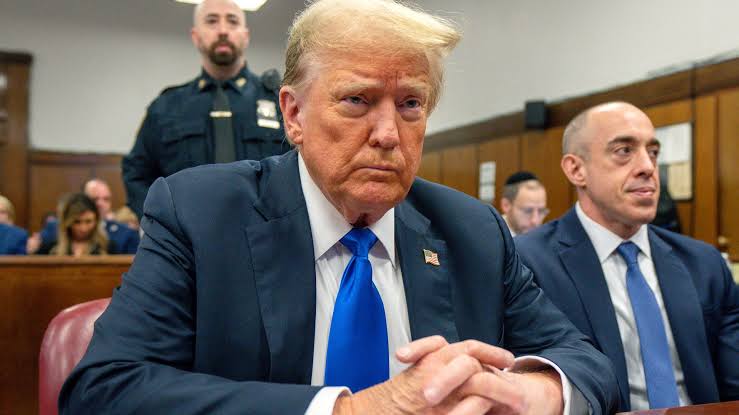
A new political and legal controversy is unfolding in Washington as Senate Democrats intensify scrutiny of businesses connected to President Donald Trump and his family. The lawmakers are demanding answers from several Trump-affiliated companies regarding a controversial IRS settlement that critics argue could provide broad protections from future tax audits or legal consequences.
The latest development has sparked debate over government transparency, conflicts of interest, and whether businesses linked to the president are receiving preferential treatment under a settlement reached between the Trump administration and the Internal Revenue Service (IRS). Democrats say the public deserves clear answers, while administration officials maintain the agreement follows standard legal procedures.
Why Senate Democrats Are Investigating
Leading Senate Democrats—including Senate Minority Leader Chuck Schumer, Senator Elizabeth Warren, and Senator Ron Wyden—have sent letters to multiple companies with ties to Donald Trump, Donald Trump Jr., Eric Trump, or the Trump Organization.
Their primary concern centers on whether these companies are covered by an IRS settlement that reportedly limits the federal government’s ability to pursue certain tax-related claims involving the Trump family and affiliated entities.
According to the lawmakers, the agreement raises important questions about whether businesses connected to the president could receive immunity from future audits, civil penalties, or other enforcement actions related to past financial matters.
What Is the IRS Settlement?
The controversy stems from litigation filed earlier in 2026 after President Trump and members of his family sued the IRS and the Treasury Department over the leak of confidential tax return information.
The lawsuit sought billions of dollars in damages, arguing that government agencies failed to protect sensitive taxpayer information.
The eventual settlement reportedly included provisions preventing certain future claims related to those tax matters. While the Justice Department says similar releases are common in settlement agreements, critics argue the language appears unusually broad and could extend protections beyond the president himself.
Which Companies Received Senate Letters?
According to reports, Senate Democrats contacted 11 companies and organizations with varying degrees of connections to the Trump family.
Among those reportedly receiving letters are:
- World Liberty Financial
- American Bitcoin
- 1789 Capital
- Polymarket
- Kalshi
- Foundation Future Industries
- Powerus
- Kaz Resources
- Tag Air
- Trump Media & Technology Group
- The Trump Organization
Lawmakers are requesting information about whether executives discussed the IRS settlement with the White House or the Department of Justice and whether any company believes it benefits from the agreement.
Democrats’ Main Concerns
The senators argue that the settlement could create a perception that politically connected businesses receive favorable treatment unavailable to ordinary taxpayers.
Their investigation focuses on several key questions:
- Are Trump-affiliated companies included in the settlement?
- Could these companies avoid future IRS audits?
- Were any negotiations conducted on behalf of affiliated businesses?
- Did the White House coordinate with company executives?
Democrats have described the possibility of broad immunity as unacceptable if proven true, arguing that no individual or business should receive special treatment under federal tax laws.
Justice Department Responds
The Justice Department has defended the agreement, stating that tax settlements frequently include release provisions designed to resolve disputes completely.
Officials say the IRS routinely enters similar agreements when settling taxpayer litigation and deny that the settlement represents an extraordinary departure from normal legal practice.
However, the department has not publicly clarified whether the protections extend to affiliated companies beyond the Trump family itself, leaving many of the senators’ questions unanswered.
Why Critics See a Conflict of Interest
Ethics experts note that this case presents unique circumstances because the lawsuit involved a sitting president challenging federal agencies within his own administration.
Critics argue this creates the appearance of a conflict of interest, especially if executive branch officials negotiated settlement terms affecting businesses connected to the president.
Supporters of the administration counter that the lawsuit addressed legitimate privacy violations involving leaked tax information and that the settlement merely resolved longstanding legal claims.
Whether any actual conflict occurred remains a matter of political debate rather than judicial determination.
Potential Political Impact
The investigation could become another flashpoint in the already tense relationship between congressional Democrats and the Trump administration.
If lawmakers uncover evidence suggesting affiliated businesses expected protection under the settlement, Democrats may seek additional hearings, subpoena records, or pursue legislative reforms limiting similar agreements in the future.
Republicans, meanwhile, are expected to argue that the investigation is politically motivated and based on speculation rather than evidence.
Transparency Questions Remain
One reason the controversy continues to grow is the lack of publicly available information about the full scope of the settlement.
Democrats have requested documents and communications that could clarify:
- Which entities are covered.
- Whether any affiliated businesses participated in negotiations.
- How federal agencies interpreted the agreement.
- Whether future IRS enforcement actions are restricted.
Until those questions receive official answers, uncertainty surrounding the settlement is likely to continue.
What Happens Next?
The companies receiving Senate letters will likely face pressure to respond publicly or provide requested documentation to lawmakers.
Congressional committees could also expand oversight depending on the responses they receive.
If significant new information emerges, the issue may lead to additional investigations involving the Department of Justice, Treasury Department, or IRS.
Regardless of the political outcome, the controversy highlights broader debates about executive accountability, ethics, and public confidence in federal institutions.
Conclusion
The dispute over the IRS settlement has evolved into a broader debate over transparency and accountability in government. Senate Democrats are seeking assurances that businesses linked to President Trump are not receiving protections unavailable to other taxpayers, while the administration insists the agreement reflects standard legal practice.
Whether the investigation uncovers evidence of preferential treatment remains to be seen. For now, the controversy underscores the importance of public trust in tax enforcement and the ongoing scrutiny surrounding presidential business interests. (CBS News)
For more on recent legal developments involving the Trump administration and election-related disputes, read our coverage of Federal Judge Rejects Trump Administration Bid for Fulton County 2020 Election Worker Names.