A federal judge has rejected the Trump administration’s attempt to obtain the names and personal contact information of thousands of people who worked during the 2020 presidential election in Fulton County, Georgia. The ruling marks another significant development in the continuing legal battles surrounding the 2020 election and raises important questions about election security, voter confidence, and the protection of election workers.
The decision came after the U.S. Department of Justice sought access to the identities of county employees and volunteer poll workers through a grand jury subpoena as part of an ongoing federal investigation. However, the court concluded that the request was overly broad and placed an unnecessary burden on election officials while offering little investigative value.
Why Did the DOJ Seek the Election Workers’ Names?
The Department of Justice argued that obtaining the names and contact information of Fulton County election workers could assist an ongoing criminal investigation connected to the administration of the 2020 presidential election.
Federal prosecutors requested:
- Names of county election employees
- Volunteer poll worker identities
- Home addresses
- Phone numbers
- Email addresses
According to the DOJ, investigators needed the information to determine whether criminal conduct occurred during or after the election.
However, Fulton County officials argued that the request was excessively broad and lacked sufficient justification. County attorneys maintained that disclosing private information could expose election workers to harassment and intimidation while discouraging future participation in election administration.
The Judge’s Decision
U.S. District Judge William Ray rejected the subpoena, describing its scope as “staggering.”
The judge ruled that:
- The subpoena imposed an unreasonable burden on Fulton County.
- The government failed to demonstrate a strong investigative need.
- Releasing personal information could negatively affect future election administration.
- The request was disproportionate to its stated purpose.
Judge Ray emphasized that federal grand jury subpoenas must remain reasonable and narrowly tailored rather than seeking extensive personal information without sufficient necessity.
Why Fulton County Objected
Fulton County has remained at the center of numerous legal disputes involving the 2020 presidential election.
County officials argued that complying with the subpoena would:
- Place thousands of election workers at unnecessary risk.
- Create fear among future poll workers.
- Undermine confidence in local election administration.
- Appear politically motivated.
The county also argued that election workers had already experienced years of threats and harassment following false allegations surrounding the 2020 election.
Officials warned that revealing private contact information could worsen those concerns.
The Background Behind the Investigation
The dispute follows broader federal investigations related to the handling of the 2020 election in Georgia.
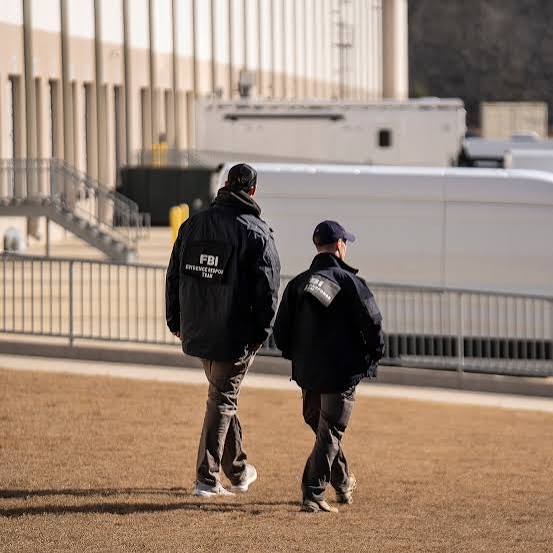
Earlier this year, federal investigators executed search warrants involving Fulton County election materials as part of a criminal investigation into election-related records. Those actions generated national attention and intensified legal challenges between local officials and the federal government.
The latest subpoena represented another effort by investigators to gather information connected to the administration of the election.
Concerns About Election Worker Safety
Election officials across the United States have increasingly warned about threats directed at poll workers since the 2020 election.
Many local election administrators argue that:
- Recruitment of poll workers has become more difficult.
- Harassment discourages experienced staff from returning.
- Personal privacy is essential to maintaining election integrity.
- Government requests for private information should be carefully limited.
The judge acknowledged these concerns, suggesting that unnecessarily exposing election workers’ personal information could discourage public participation in future elections.
Trump Administration’s Position
The Trump administration has consistently maintained that the Justice Department’s investigation seeks to uncover potential violations of federal election laws.
Federal attorneys argued that grand jury subpoenas are standard investigative tools and that collecting names and contact information would assist prosecutors in determining whether additional interviews or evidence were necessary.
They denied allegations that the request was intended to target political opponents or intimidate election workers.
Why the Court Was Not Convinced
Judge Ray found that the government had not demonstrated sufficient need for such a sweeping request.
Among the court’s concerns were:
- Limited evidence supporting the broad subpoena.
- Significant privacy implications.
- Potential chilling effects on election administration.
- The imbalance between investigative value and public burden.
The court concluded that the subpoena was unreasonable under federal legal standards governing grand jury investigations.
Political and Legal Implications
The ruling represents another legal setback in efforts to revisit issues surrounding the 2020 presidential election.
While the decision does not end broader federal investigations, it establishes limits on how prosecutors may obtain sensitive information involving election workers.
Election law experts suggest the ruling could influence future cases involving:
- Grand jury subpoena limits
- Election worker privacy protections
- Government investigative authority
- Public confidence in election administration
The decision also reinforces judicial oversight over investigative requests involving politically sensitive matters. (AP News)
Reactions From Election Officials
Election officials and voting rights advocates welcomed the ruling, arguing that protecting election workers remains essential for ensuring free and fair elections.
Supporters of the decision believe that election workers should not fear having their private information disclosed simply because they participated in administering an election.
Others argue that preserving worker safety ultimately strengthens democratic institutions by encouraging qualified individuals to continue serving during future elections.
What Happens Next?
Although the subpoena has been quashed, the broader federal investigation into aspects of the 2020 election may continue through other investigative methods.
The Justice Department could:
- Narrow future information requests.
- Appeal the ruling.
- Seek alternative evidence through other legal channels.
Meanwhile, Fulton County officials continue defending the privacy of election workers while emphasizing the importance of maintaining public trust in election administration.
The outcome of this dispute could shape how future investigations balance legitimate law enforcement interests with the privacy rights of public servants who help conduct elections.
Final Thoughts
The federal judge’s rejection of the Trump administration’s request for Fulton County election worker names underscores the judiciary’s role in balancing investigative authority with individual privacy rights. While federal prosecutors argued that the information was necessary for an ongoing criminal investigation, the court determined that the request was overly broad and insufficiently justified.
As legal disputes over the 2020 election continue, this decision highlights the ongoing tension between election integrity investigations and the protection of the individuals responsible for administering American elections. It also signals that courts will closely scrutinize government requests involving sensitive personal information, particularly when such requests may affect future election administration and public confidence in the democratic process.
Related: Read our coverage on DOJ Warns Election Officials of Criminal Charges Over Noncitizen Voters to understand how the Justice Department’s latest election enforcement efforts could impact state and local election administration.