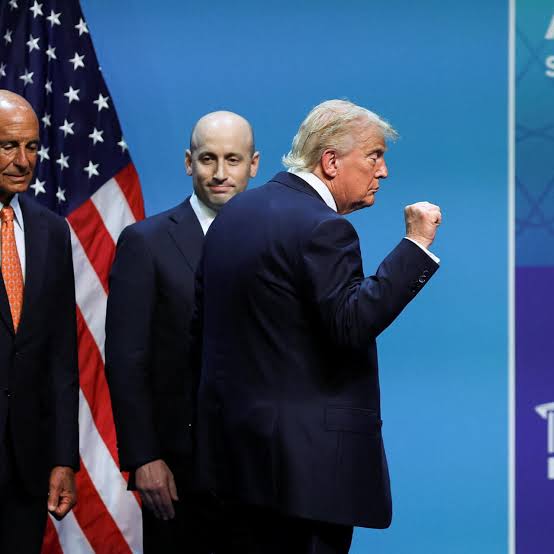
The 2026 NATO Summit became one of the most controversial meetings in the alliance’s recent history after President Donald Trump used the gathering to announce that the U.S.-Iran ceasefire was effectively “over.” His comments immediately raised questions across Washington and international capitals: Did Donald Trump intentionally reject the US-Iran ceasefire at the NATO Summit, or was he responding to renewed military developments?
The answer is more complicated than a simple yes or no. Trump’s remarks reflected a combination of military escalation, diplomatic frustration, and political messaging aimed at both allies and adversaries. While critics argue he deliberately chose NATO’s biggest stage to abandon diplomacy, supporters insist the ceasefire had already collapsed because of renewed attacks and Iranian actions.
What Triggered Trump’s NATO Summit Remarks?
The NATO Summit was expected to focus on collective defense, Ukraine, and European security. Instead, much of the attention shifted toward the Middle East after Donald Trump declared that the U.S.-Iran ceasefire was no longer valid.
According to multiple reports, Trump argued that recent attacks demonstrated Iran had failed to honor previous commitments. He said the United States would not remain bound by an agreement that, in his view, had already been violated. He also warned that additional military action remained an option if American interests continued to be threatened.
These comments quickly became the defining NATO Summit Donald Trump remarks, overshadowing discussions on defense spending and alliance unity.
Did Trump Intentionally Reject the Ceasefire?
Whether Trump intentionally rejected the ceasefire depends on how one interprets the sequence of events.
There are two major perspectives:
View One: Trump Deliberately Ended the Ceasefire
Critics argue that Trump’s declaration was a calculated political decision.
Several factors support this interpretation:
- He made the announcement before world leaders at NATO.
- His speech included strong criticism of Iran’s leadership.
- He indicated the United States could launch additional military operations.
- He emphasized military strength over renewed negotiations.
For many analysts, making these statements during NATO’s highest-profile annual gathering ensured maximum international attention.
View Two: The Ceasefire Had Already Collapsed
Supporters of the administration argue Trump merely acknowledged reality.
Reports indicated that new attacks had already undermined the ceasefire before his speech. U.S. officials accused Iran of renewed hostile actions, while Tehran blamed Washington for violating earlier understandings.
From this perspective, Trump did not “end” the ceasefire but declared that it had effectively ceased to exist.
Why the NATO Summit Was an Important Stage
The NATO Summit attracts leaders from across Europe and North America, making it one of the world’s most closely watched diplomatic events.
By discussing Iran during the summit, Trump ensured his message reached:
- NATO allies
- Global financial markets
- Middle Eastern governments
- U.S. voters
- International media
The timing also reinforced his broader foreign policy message that America would respond forcefully to perceived threats regardless of diplomatic criticism.
NATO Summit Donald Trump Remarks on Allies
Trump’s comments about Iran were only part of a broader series of controversial statements.
He also criticized several NATO members over defense spending and questioned allies’ willingness to support U.S. security priorities.
Spain became a particular target after disagreements over military commitments, while Trump revived earlier disputes involving Greenland and burden-sharing inside NATO. Despite these confrontations, he later insisted there was “a lot of unity” within the alliance.
International Reaction
Trump’s remarks generated immediate international reaction.
European leaders attempted to emphasize NATO unity while avoiding direct confrontation.
Meanwhile:
- Some governments urged renewed diplomacy.
- Others expressed concern over escalating military tensions.
- Regional mediators continued attempting to preserve peace negotiations.
- Financial markets monitored developments closely because of potential impacts on global energy supplies.
What Happened to the Ceasefire?
Although the ceasefire had initially reduced hostilities, renewed military exchanges significantly weakened the agreement.
Following additional strikes and retaliatory actions, Trump declared that the ceasefire was “over” and suggested the United States would respond with further force if necessary.
This statement effectively shifted U.S. policy away from emphasizing diplomacy and toward military deterrence.
Political Impact in the United States
Trump’s comments are expected to influence domestic political debate heading toward the midterm elections.
Supporters argue his approach demonstrates decisive leadership against Iran.
Opponents contend that publicly abandoning diplomatic language risks broader regional conflict and weakens America’s international partnerships.
The debate is likely to remain a major campaign issue as lawmakers continue discussing U.S. military involvement in the Middle East.
What It Means for NATO
Although NATO itself was not directly responsible for U.S.-Iran diplomacy, Trump’s remarks affected perceptions of alliance unity.
European members sought to keep attention focused on:
- Collective defense
- Support for Ukraine
- Increased military spending
- Alliance cooperation
Instead, headlines centered on Trump’s Iran comments, demonstrating how broader geopolitical conflicts can dominate NATO discussions.
Conclusion
So, did Donald Trump intentionally reject the US-Iran ceasefire at the NATO Summit?
Based on publicly available information, Trump deliberately announced that the ceasefire was no longer in effect during the summit. Whether this constituted intentionally ending the agreement or formally recognizing its collapse remains a matter of political interpretation.
What is clear is that the NATO Summit Donald Trump remarks transformed what was expected to be a meeting about collective security into a broader debate over U.S. foreign policy, Iran, and the future of international diplomacy. As tensions continue to evolve, Trump’s statements are likely to remain central to discussions about America’s strategy in the Middle East and its role within NATO. (Al Jazeera)
Read next: Why Graham Platner’s Nazi Tattoo Sparked Calls for Disqualification — Explore how controversy surrounding the Maine Senate candidate escalated into calls for his removal and reshaped the political race.