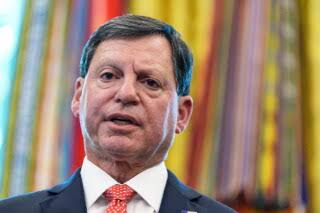

The NATO Summit 2026 concluded with one of the alliance’s strongest demonstrations of unity in recent years, as leaders from all 32 member nations reaffirmed their unwavering commitment to Article 5 of the North Atlantic Treaty—the principle that “an attack on one is an attack on all.” The declaration came amid heightened global tensions involving Russia, ongoing security concerns in Europe, and growing instability in the Middle East.
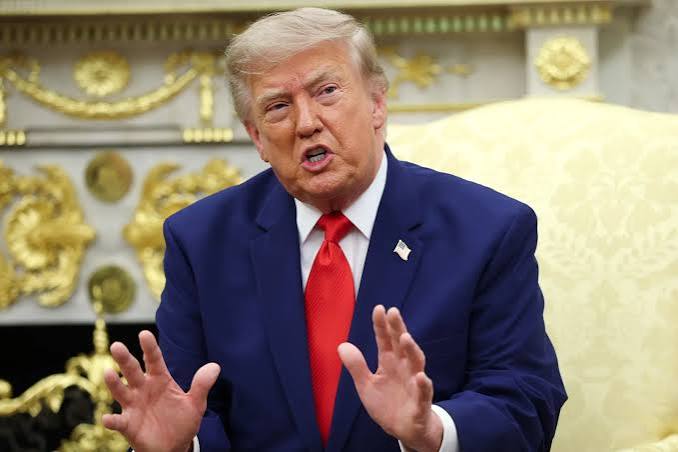
A key focus throughout the summit was the role of the United States under President Donald Trump. Despite entering the meeting after publicly criticizing several allies over defense spending and foreign policy disagreements, Trump ultimately described the summit as a success and emphasized NATO’s collective strength. The nato summit donald trump remarks became one of the most discussed aspects of the gathering, reflecting both ongoing policy debates and renewed alliance commitments.
What Is Article 5?
Article 5 is the cornerstone of NATO’s founding treaty, signed in 1949. It states that an armed attack against one NATO member shall be considered an attack against every member of the alliance.
The clause has only been formally invoked once in NATO’s history—following the September 11, 2001 terrorist attacks on the United States. Since then, Article 5 has remained the alliance’s most powerful deterrent against potential military aggression.
At the 2026 summit in Ankara, leaders reaffirmed what they described as an “ironclad commitment” to collective defense, once again declaring that “an attack on one is an attack on all.”
NATO Summit 2026 Focused on Unity
This year’s summit took place during one of the most challenging security environments NATO has faced in decades.
Among the major issues discussed were:
- Continued Russian military threats to European security
- Long-term military assistance for Ukraine
- Increasing defense spending among member nations
- Security in the Middle East following tensions involving Iran
- Strengthening NATO’s deterrence strategy
- Defense industrial cooperation
The final declaration reaffirmed NATO’s commitment to protecting nearly one billion citizens across member states while improving military readiness and expanding defense cooperation. Leaders also stressed that unity remains essential despite political disagreements among member governments.
Donald Trump Remarks Draw Global Attention
One of the defining moments of the summit was President Donald Trump’s evolving tone toward NATO.
Before and during the summit, Trump criticized several allies over defense spending, repeated concerns regarding burden-sharing, and renewed pressure on countries he believes are not contributing enough financially to the alliance.
However, by the summit’s conclusion, Trump described the meeting positively and suggested NATO had demonstrated significant unity.
His remarks acknowledged that many allies had increased military spending while emphasizing that stronger financial commitments make the alliance more effective.
The nato summit donald trump remarks also included discussions about:
- Defense spending targets
- Support for Ukraine
- Relations with Turkey
- Broader regional security
- NATO’s future strategic direction
Although disagreements remained over several geopolitical issues, Trump ultimately praised the overall outcome of the summit.
Leaders Renew Collective Defense Commitment
The most significant outcome of the summit was the formal renewal of NATO’s collective defense pledge.
The declaration emphasized that:
- NATO remains united against external threats.
- Collective defense remains the alliance’s highest priority.
- Members will continue investing in military readiness.
- Security challenges require coordinated action across Europe and North America.
This renewed commitment was intended to send a strong message to both allies and adversaries that NATO remains prepared to defend every member nation.
Officials repeatedly highlighted that the Article 5 commitment is not symbolic but represents a practical military obligation shared by every member state.
Ukraine Remains Central to NATO Strategy
Ukraine continued to dominate discussions throughout the summit.
Leaders announced continued financial and military support designed to strengthen Ukraine’s defense capabilities while reinforcing NATO’s eastern flank.
Several member nations pledged additional military assistance and reaffirmed that supporting Ukraine contributes directly to European security.
Although Ukraine is not a NATO member, leaders argued that maintaining its ability to defend itself remains strategically important for the alliance’s long-term stability.
Defense Spending Takes Center Stage
Another major topic was defense investment.
Over recent years, NATO has encouraged members to increase military spending to improve collective capabilities.
During the summit:
- European allies highlighted increased defense budgets.
- Long-term military modernization plans were discussed.
- Leaders emphasized improving defense manufacturing.
- Greater cooperation between NATO defense industries was encouraged.
Defense spending has remained one of Donald Trump’s primary concerns regarding NATO, and the summit reflected continued efforts by European members to demonstrate progress.
Tensions Did Not Prevent Consensus
Despite visible disagreements involving Iran, regional security, and differing national priorities, leaders ultimately agreed on the summit’s core declaration.
Observers noted that while negotiations behind closed doors were often difficult, the final agreement demonstrated NATO’s ability to maintain institutional unity during periods of international uncertainty.
Political analysts suggested that the renewed Article 5 language was intended to reassure allies while discouraging potential adversaries from testing NATO’s resolve.
Why Article 5 Still Matters
The reaffirmation of Article 5 carries significant strategic importance.
Its primary purposes include:
- Deterring military aggression.
- Strengthening transatlantic security.
- Demonstrating alliance solidarity.
- Reassuring smaller NATO members.
- Maintaining stability across Europe.
As geopolitical tensions continue to evolve, NATO leaders believe that publicly reaffirming collective defense helps preserve peace by reducing uncertainty regarding the alliance’s response to future threats.
Global Reaction
International observers largely viewed the summit as a demonstration that NATO remains politically resilient despite internal disagreements.
Markets, defense analysts, and allied governments closely watched the summit for any indication of weakening unity.
Instead, the final declaration projected continuity, emphasizing that NATO remains committed to defending every member under Article 5 while adapting to emerging security challenges.
Trump’s more conciliatory remarks at the conclusion of the meeting also helped ease concerns that had emerged earlier in the summit regarding U.S. commitment to the alliance. (AP News)
Conclusion
The NATO Summit 2026 concluded with one unmistakable message: the alliance remains united behind Article 5 and its collective defense mission. While disagreements over defense spending, regional conflicts, and foreign policy priorities persisted, leaders ultimately reinforced the principle that has defined NATO for more than seven decades—“an attack on one is an attack on all.”
The nato summit donald trump remarks added political drama to the gathering, but the summit’s lasting outcome was a renewed commitment to alliance unity, stronger defense cooperation, and continued support for collective security in an increasingly uncertain global environment.
Related: Read our coverage of “Graham Platner Suspends US Senate Campaign After Assault Allegation“ to learn how the controversy reshaped Maine’s Senate race and its broader political implications.