Introduction
The Bahrain country is one of the most important yet often overlooked nations in the Middle East. Known for its strategic location in the Persian Gulf, modern economy, rich history, and close ties with neighboring Gulf states, Bahrain plays a significant role in regional politics, trade, finance, and tourism. Many people searching online frequently ask, “Where is Bahrain?” and what makes this small island nation unique.
As global attention remains focused on developments across the Middle East—including regional cooperation with countries like Qatar and international news events such as the recent discussions surrounding the earthquake Venezuela updates—Bahrain continues to attract interest from travelers, investors, and political observers.
In this article, we explore where Bahrain is located, its history, economy, culture, relationship with neighboring countries, and why it remains an influential nation despite its relatively small size.
Where Is Bahrain?
For those wondering where is Bahrain, the country is an island nation located in the Persian Gulf, off the eastern coast of Saudi Arabia. Bahrain consists of more than 30 natural islands and several artificial islands.
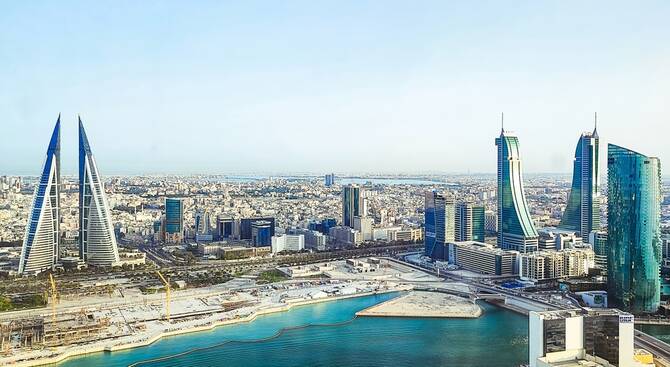
The capital city, Manama, serves as the country’s political, economic, and cultural center. Bahrain is connected to Saudi Arabia through the King Fahd Causeway, a major transportation link that facilitates travel and trade between the two nations.
Geographically, Bahrain sits near several important Gulf countries, including:
- Saudi Arabia
- Qatar
- Kuwait
- United Arab Emirates
- Oman
Its strategic location has historically made Bahrain a key hub for commerce and maritime trade.
History of Bahrain Country
The history of the Bahrain country stretches back thousands of years. Archaeological evidence suggests that Bahrain was once the center of the ancient Dilmun civilization, which flourished around 3000 BCE.
Dilmun served as a major trading center connecting Mesopotamia, the Indus Valley, and other ancient civilizations. Throughout history, Bahrain has been influenced by various empires and cultures, including:
- Persian empires
- Portuguese rule
- Arab dynasties
- British influence
Bahrain gained independence from Britain in 1971 and has since developed into a modern constitutional monarchy.
Today, the country balances its rich heritage with rapid modernization, creating a unique blend of tradition and innovation.
Bahrain’s Political System
Bahrain operates as a constitutional monarchy led by the ruling Al Khalifa family. The nation has a bicameral legislature and various government institutions that oversee domestic and international affairs.
The government focuses on economic diversification, infrastructure development, and maintaining strong diplomatic relationships with neighboring Gulf states and international partners.
Bahrain is also a member of the Gulf Cooperation Council (GCC), an organization that promotes economic and political cooperation among Gulf nations.
Bahrain Economy: More Than Oil
Although oil played a major role in Bahrain’s economic development, the country has successfully diversified its economy over the years.
Major sectors include:
Financial Services
Bahrain is widely recognized as one of the Gulf region’s leading financial centers. Numerous international banks and financial institutions maintain operations in Manama.
Tourism
Tourism contributes significantly to Bahrain’s economy. Visitors are drawn by cultural attractions, luxury shopping, motorsports events, and historic sites.
Manufacturing
The country has invested heavily in manufacturing industries, including aluminum production and industrial processing.
Technology and Innovation
Bahrain continues to promote technology startups and digital transformation initiatives, positioning itself as a regional innovation hub.
This diversified approach has helped Bahrain maintain economic resilience amid fluctuations in global energy markets.
Bahrain and Qatar Relations
Bahrain shares close geographical and economic ties with Qatar, another influential Gulf nation.
Although diplomatic tensions occasionally emerged between several Gulf states in past years, regional cooperation has strengthened significantly in recent times. Bahrain and Qatar continue to engage in discussions related to trade, transportation, security, and economic development.
Both nations are members of the Gulf Cooperation Council and share common interests in promoting stability and prosperity throughout the region.
The relationship between Bahrain and Qatar remains important for the future of Gulf integration and economic growth.
Tourism in Bahrain
Tourism has become one of Bahrain’s fastest-growing industries. The country offers visitors a combination of historical landmarks, modern attractions, and cultural experiences.
Popular attractions include:
Bahrain National Museum
This museum showcases Bahrain’s rich history, including artifacts from the ancient Dilmun civilization.
Bahrain Fort
A UNESCO World Heritage Site, Bahrain Fort highlights the country’s historical importance as a trading center.
Al Fateh Grand Mosque
One of the largest mosques in the world, this architectural landmark attracts visitors from around the globe.
Bahrain International Circuit
The circuit hosts international motorsports events, including Formula One races, making Bahrain a destination for sports enthusiasts.
These attractions help strengthen Bahrain’s reputation as a leading tourism destination in the Gulf region.
Culture and Society
Bahrain’s culture reflects centuries of interaction among different civilizations.
Traditional Bahraini culture emphasizes:
- Hospitality
- Family values
- Islamic traditions
- Maritime heritage
At the same time, Bahrain is known for its relatively cosmopolitan environment. Residents and expatriates from many countries contribute to the nation’s diverse social landscape.
Traditional music, cuisine, and festivals remain important aspects of Bahraini identity.
Popular local dishes include seafood specialties, rice-based meals, and traditional Gulf desserts.
Bahrain’s Global Importance
Despite its small geographic size, Bahrain holds significant international influence.
Key reasons include:
Strategic Location
Bahrain sits along important maritime routes connecting Asia, Europe, and Africa.
Financial Leadership
The country serves as a regional banking and investment center.
Security Partnerships
Bahrain maintains strong security relationships with international allies and regional partners.
Economic Innovation
The government continues to invest in technology, renewable energy, and digital transformation.
These factors contribute to Bahrain’s role as an influential player in regional and global affairs.
Why Bahrain Appears in International News
Global interest in Bahrain often increases during major regional developments, economic initiatives, and diplomatic events.
News coverage may also connect Bahrain to broader international stories involving neighboring countries such as Qatar or global events drawing widespread attention, including natural disasters like the earthquake Venezuela reports that periodically capture international headlines.
As a result, Bahrain remains part of ongoing discussions about geopolitical stability, energy markets, trade, and international cooperation.
Conclusion
The Bahrain country is far more than a small island nation in the Persian Gulf. For those asking where is Bahrain, the answer reveals a strategically located country with a rich history, diverse economy, vibrant culture, and growing international influence.
From its ancient Dilmun heritage to its modern financial sector, Bahrain has successfully balanced tradition with progress. Its relationships with neighboring nations such as Qatar, commitment to economic diversification, and role in regional affairs continue to make Bahrain an important country in the Middle East.
As global interest in Gulf politics, tourism, and economic development grows, Bahrain is likely to remain a significant destination and influential regional partner for years to come.