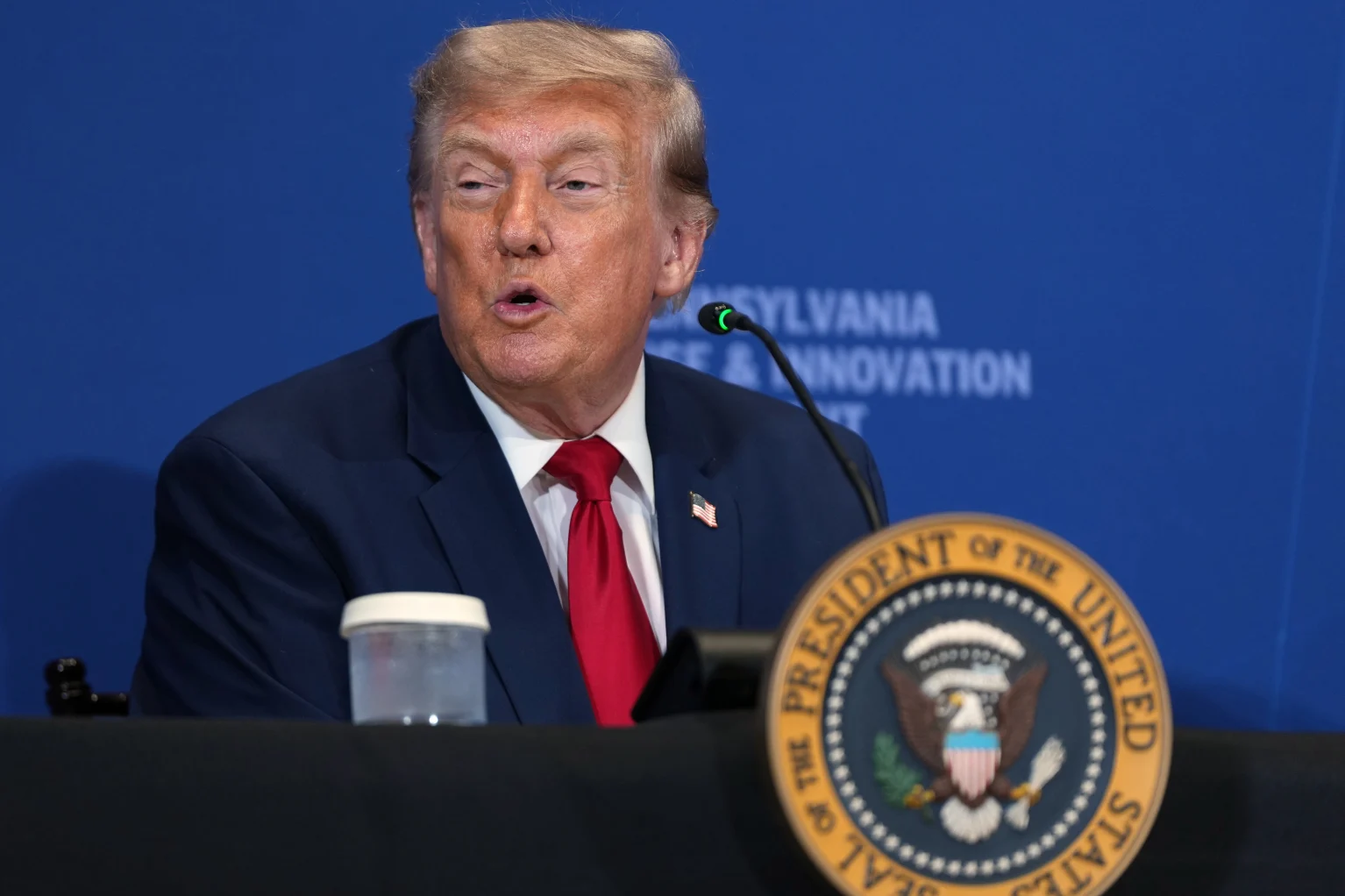
President Donald Trump is set to deliver a rare primetime address from the White House centered on the 2020 presidential election, a topic that has remained at the heart of his political messaging for nearly six years. The nationally televised speech comes as the administration places renewed emphasis on election security, voting procedures, and newly declassified intelligence that officials say relates to the 2020 race.
The announcement has immediately sparked political debate in Washington. Supporters argue the president is fulfilling a promise to pursue election transparency, while critics warn that revisiting disputed claims about the 2020 election could further divide voters just months before the 2026 midterm elections.
Why Trump’s Primetime White House Address Matters
Presidential addresses from the White House are generally reserved for significant national issues such as military conflicts, economic crises, or major legislative priorities. By choosing this platform, Trump signals that election integrity remains one of his administration’s highest priorities.
According to multiple reports, the president is expected to discuss:
- Election security reforms
- Newly declassified intelligence documents
- Alleged foreign interference concerns
- Voting machine security
- Future federal election policies
Administration officials have indicated that portions of the speech may reference intelligence reviewed by the Office of the Director of National Intelligence regarding foreign activities surrounding the 2020 election, although reports also note that no verified evidence has emerged showing that vote totals were successfully manipulated.
A Return to Trump’s Longstanding Election Message
Since the 2020 presidential election, Trump has consistently maintained that the election suffered from widespread irregularities. Courts, state election officials, and numerous independent reviews did not find evidence of fraud sufficient to alter the election outcome, and Joe Biden’s victory was certified following the Electoral College process. Nevertheless, Trump has continued to argue that election laws require significant reform.
The upcoming speech represents one of Trump’s highest-profile efforts since returning to office to revisit those concerns before a national audience.
White House officials describe the address as focusing on “free and fair elections,” while Trump has teased that it will include “really big news.” The administration has not released the full speech in advance.
Election Security Becomes a Central Administration Priority
During his second term, Trump has increasingly emphasized election administration and federal oversight.
Recent administration initiatives have included:
- Supporting stricter voter identification requirements
- Expanding citizenship verification measures
- Backing legislation aimed at tightening voter registration standards
- Increasing scrutiny of election administration practices
Supporters argue these measures are necessary to strengthen public confidence in elections, while opponents contend some proposals could make voting more difficult for eligible citizens.
Political Timing Ahead of the 2026 Midterms
The speech arrives at a politically sensitive moment.
Control of Congress remains one of the most important issues heading into the 2026 midterm elections. Republicans hope to preserve their governing majority, while Democrats are working to regain congressional seats.
Political analysts note that election integrity remains one of the most energizing issues among Trump’s political base. However, some Republican strategists reportedly believe greater attention should be devoted to inflation, the economy, and border security rather than relitigating the 2020 election.
The White House appears convinced that emphasizing election reforms will resonate with conservative voters heading into November.
Democrats Criticize the Planned Address
Democratic lawmakers have sharply criticized Trump’s decision to focus on the 2020 election.
Several lawmakers argue that revisiting previously litigated election claims risks undermining public confidence in future elections. They contend Congress should instead prioritize economic policy, healthcare, national security, and other pressing issues facing American families.
Some Democratic senators have questioned whether a nationally televised presidential address is an appropriate venue for discussing disputed election allegations.
Despite these criticisms, administration officials insist the president has every right to present information that they believe deserves public attention.
What Could Trump Announce?
Although the White House has not released the complete speech, several reports suggest Trump could unveil:
- Additional declassified intelligence documents
- New election security initiatives
- Executive actions involving federal election oversight
- Calls for congressional legislation
- Recommendations for future voting reforms
Whether these announcements produce immediate policy changes remains uncertain, but observers expect the address to generate significant political reaction.
Public Interest Expected to Be High
Trump’s nationally televised speeches continue to attract significant public attention.
Because the president has promoted the address as containing major announcements, media organizations are expected to provide extensive live coverage and post-speech analysis.
Political commentators anticipate that reactions will vary widely across the political spectrum, with supporters praising renewed attention to election security while critics question the factual basis of claims likely to be presented.
The address is also expected to dominate social media discussions and cable news coverage throughout the evening.
Election Integrity Remains a Divisive Issue
Polling over recent years has consistently shown that Americans remain deeply divided over election administration and voting laws.
Republican voters generally express stronger concerns about election security, while Democratic voters often emphasize protecting voting access.
These differing priorities continue to shape debates over voter identification, mail voting, ballot security, and federal oversight of elections.
Trump’s speech is expected to reinforce those divisions while placing election integrity at the center of national political debate once again.
Possible Impact on the 2026 Election Campaign
The president’s remarks could influence campaign messaging across the country.
Republican candidates may highlight election security reforms as part of their campaigns, while Democratic candidates are likely to argue that attention should remain focused on economic issues, healthcare, and protecting democratic institutions.
The speech may also affect fundraising, voter engagement, and campaign advertising as both parties seek to frame the election around issues favorable to their supporters.
Regardless of immediate political outcomes, the address underscores how the 2020 election continues to influence American politics well into the 2026 election cycle.
Conclusion
Trump’s primetime White House address marks another significant chapter in the ongoing national debate over election integrity. By returning to issues surrounding the 2020 election, the president is reinforcing one of the defining themes of his political career while seeking to shape the conversation ahead of the 2026 midterm elections.
Whether the speech leads to new legislation, executive action, or simply intensifies political divisions remains to be seen. What is clear is that election security will remain one of the most closely watched issues in Washington as voters prepare for another consequential national election. (Reuters)
For more on the administration’s broader immigration agenda, read our detailed coverage of Trump Travel Ban Could Become Permanent Under New Republican Immigration Bill, which explains the proposed legislation, key provisions, and its potential impact on future U.S. immigration policy.