The Hudson River Gateway Project lawsuit has become one of the most closely watched infrastructure disputes in the United States. At the heart of the case is a multibillion-dollar rail project designed to improve transportation between New York and New Jersey while replacing aging tunnels that have served the region for more than a century.
The lawsuit is not just about construction funding—it also raises broader questions about federal commitments, transportation policy, interstate cooperation, and the future of America’s infrastructure. Although unrelated politically, search interest has also linked the topic with Roy Moore, prompting many readers to wonder whether there is any connection. In reality, the Gateway litigation and Roy Moore involve entirely separate legal and political matters.
This article explains the Hudson River Gateway Project lawsuit, why it matters, the legal arguments involved, and what could happen next.
What Is the Hudson River Gateway Project?
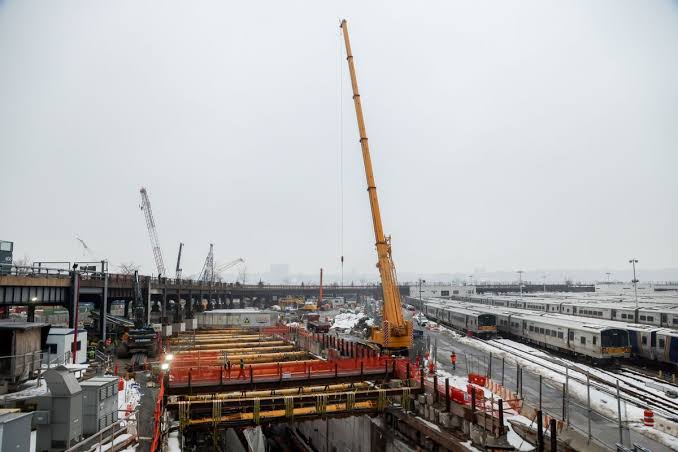
The Gateway Program is a massive transportation initiative intended to modernize rail travel between New Jersey and New York City.
Its centerpiece is the Hudson Tunnel Project, which includes:
- Building two new rail tunnels beneath the Hudson River.
- Rehabilitating the existing North River Tunnel.
- Improving tracks, bridges, and rail infrastructure approaching New York Penn Station.
- Increasing rail capacity for both Amtrak and NJ Transit.
The existing North River Tunnel opened in 1910 and suffered significant saltwater damage during Hurricane Sandy in 2012. Engineers have warned for years that the tunnel requires extensive repairs while remaining one of the busiest passenger rail crossings in North America.
Why Was a Lawsuit Filed?
The lawsuit emerged after federal funding allocated for the Gateway Project was frozen by the U.S. Department of Transportation.
New York and New Jersey argued that billions of dollars had already been committed through grant and loan agreements. When funding stopped, state officials claimed the federal government violated both contractual obligations and administrative law.
According to court filings, the funding freeze threatened to halt construction, delay the project, increase costs, and place thousands of construction jobs at risk.
Who Filed the Hudson River Gateway Project Lawsuit?
Several legal actions were filed.
The primary lawsuits came from:
- The states of New York and New Jersey.
- The Gateway Development Commission (GDC).
- State attorneys general seeking emergency judicial relief.
The states requested that a federal judge order the immediate release of previously approved funding, arguing that Congress had already authorized billions of dollars for the project.
Why Is the Gateway Project So Important?
Transportation experts describe the Northeast Corridor as the busiest passenger rail corridor in America.
Every weekday, hundreds of thousands of commuters rely on trains traveling beneath the Hudson River.
The project supports:
- Amtrak intercity service.
- NJ Transit commuter rail.
- Regional economic growth.
- Freight and business connectivity.
Officials estimate that disruptions in the tunnel could affect a region responsible for roughly 10% of the U.S. economy.
What Are the Legal Arguments?
The States’ Position
New York and New Jersey argue that:
- Congress approved funding.
- Federal agencies entered binding agreements.
- Suspending payments violated those agreements.
- Delays would create irreparable financial harm.
They also contend that administrative agencies cannot simply stop previously approved infrastructure funding without following legal procedures.
Federal Government’s Position
Federal officials defended the funding pause by citing reviews related to compliance with administration policies and contracting requirements.
The government argued that additional review was appropriate before continuing payments.
These differing interpretations ultimately led to federal court proceedings.
Court Developments
The litigation quickly became urgent because contractors warned that construction would soon stop without additional federal payments.
A federal judge later ordered temporary relief that allowed funding to resume while the case continued, helping avoid a prolonged construction shutdown. Later developments saw much of the lawsuit dismissed after disputed payments were made and work resumed, although broader legal questions remained.
Economic Impact
The Gateway Program represents one of America’s largest infrastructure investments.
Potential impacts of delays include:
- Increased project costs.
- Construction layoffs.
- Reduced rail reliability.
- Continued congestion.
- Economic disruption across the Northeast.
Officials estimated that construction pauses could threaten approximately 1,000 jobs immediately, while the broader project supports thousands more over its lifetime.
Why Infrastructure Experts Support the Project
Transportation planners have argued that relying on a single century-old tunnel creates significant operational risks.
If one tunnel must close unexpectedly for repairs:
- Rail capacity would fall dramatically.
- Delays would spread across the Northeast Corridor.
- Amtrak schedules would be affected.
- NJ Transit commuters would experience major disruptions.
The new tunnels would allow one set of tunnels to remain operational while the older infrastructure undergoes long-overdue rehabilitation.
Political Debate
Like many large infrastructure projects, the Gateway Program has generated political disagreement over:
- Federal spending.
- Infrastructure priorities.
- Administrative authority.
- Transportation policy.
Supporters argue that maintaining the Northeast rail network is a national priority.
Critics have questioned project costs, oversight, and federal funding decisions.
The lawsuit reflects these broader debates while focusing on legal obligations rather than transportation policy alone.
Is Roy Moore Connected to the Hudson River Gateway Project Lawsuit?
One frequently searched keyword is Roy Moore, but there is no direct connection between Roy Moore and the Hudson River Gateway Project lawsuit.
Roy Moore is a former Alabama judge and political figure known for legal controversies involving constitutional issues, judicial ethics, and election disputes.
The Gateway lawsuit instead concerns:
- Federal transportation funding.
- Interstate infrastructure.
- Contract law.
- Administrative law.
- Rail construction.
Search engines sometimes associate unrelated trending political names, but there is no meaningful legal or factual relationship between Roy Moore and the Gateway litigation.
What Happens Next?
Future court proceedings will determine:
- Whether federal agencies acted lawfully.
- Whether additional funding disputes can occur.
- How future infrastructure agreements will be interpreted.
- Whether similar funding freezes could affect other federally supported projects.
Transportation agencies continue to emphasize that long-term certainty is essential for completing the tunnel project on schedule.
Why This Lawsuit Matters Nationally
The Hudson River Gateway Project lawsuit reaches far beyond New York and New Jersey.
Its outcome could influence:
- Future federal infrastructure partnerships.
- Large transportation investments.
- Administrative authority over congressional funding.
- Public confidence in long-term infrastructure planning.
As one of America’s most important transportation projects moves forward, the legal decisions surrounding its funding may shape how future rail, highway, and transit projects are financed nationwide.
Conclusion
The Hudson River Gateway Project lawsuit is more than a disagreement over construction funding. It represents a major legal test involving federal commitments, interstate cooperation, and the future of America’s transportation infrastructure.
While construction has continued after court intervention and funding releases, the dispute underscores how critical legal certainty is for multibillion-dollar public works. For commuters, businesses, and policymakers, the Gateway Project remains one of the nation’s most consequential infrastructure initiatives—and its legal battles will likely influence federal transportation policy for years to come.