
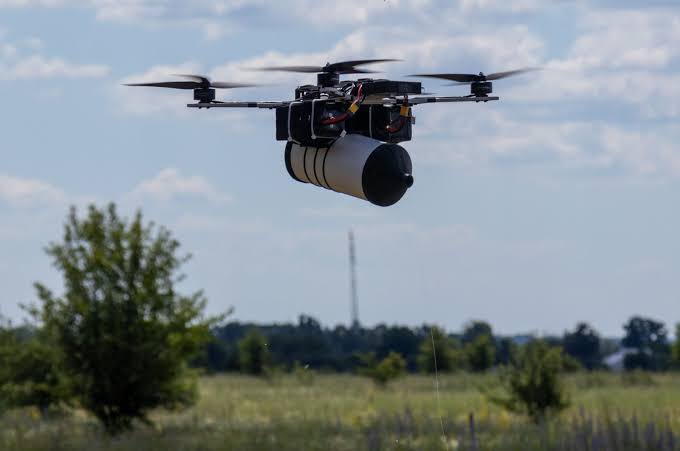
The war between Russia and Ukraine has transformed modern warfare, and no technology has had a greater impact than drones. From inexpensive first-person view (FPV) drones to long-range strike UAVs capable of reaching hundreds of kilometers behind enemy lines, both nations have turned drone combat into one of the defining features of the conflict.
As Russia news continues to focus on battlefield developments, military analysts increasingly agree that drone warfare has become just as important as artillery, tanks, and missiles. Every day, unmanned aerial vehicles conduct surveillance, destroy armored vehicles, attack logistics hubs, and even target critical energy infrastructure.
This article explores how Russia-Ukraine drone combat has evolved, why drones have become central to military strategy, and what recent developments reveal about the future of warfare.
Table of Contents
ToggleThe Rise of Drone Warfare in Ukraine
When Russia launched its full-scale invasion in 2022, drones were primarily used for reconnaissance. Commercial quadcopters helped identify troop positions and artillery targets.
By 2026, however, the battlefield has changed dramatically.
Both Russia and Ukraine now deploy thousands of drones each month for:
- Intelligence gathering
- Precision strikes
- Electronic warfare
- Supply delivery
- Long-range attacks
- Air defense saturation
Military experts often describe the conflict as the world’s first large-scale “drone war,” where inexpensive unmanned aircraft can destroy equipment worth millions of dollars.
Why Drones Have Become So Important
Several factors explain the growing importance of drone combat.
1. Lower Cost
Traditional missiles can cost hundreds of thousands—or even millions—of dollars.
FPV drones often cost only a few hundred dollars while still being capable of destroying tanks, armored vehicles, or artillery systems.
This cost advantage allows both sides to launch attacks at an unprecedented scale.
2. Precision Targeting
Modern drones use GPS navigation, onboard cameras, and real-time operators to strike highly specific targets.
Rather than relying on heavy artillery barrages, commanders increasingly use drones to eliminate individual vehicles or command posts.
3. Constant Surveillance
Battlefields have become far more transparent.
Reconnaissance drones monitor troop movements around the clock, making surprise offensives much more difficult.
Any concentration of soldiers or vehicles risks being detected within minutes.
Russia’s Drone Strategy
Russia has significantly expanded its drone production over the past several years.
Its military employs several categories of UAVs:
- Long-range strike drones
- FPV attack drones
- Reconnaissance drones
- Electronic warfare drones
- Loitering munitions
Russian forces frequently combine drones with missiles in coordinated attacks designed to overwhelm Ukrainian air defenses.
Recent attacks have targeted military infrastructure, logistics centers, and energy facilities across Ukraine. Reports also indicate continued pressure along eastern front lines supported by drone reconnaissance and precision strikes.
Ukraine’s Expanding Drone Campaign
Ukraine has responded by rapidly increasing domestic drone manufacturing.
Instead of relying solely on imported systems, Ukrainian companies now produce a wide range of military UAVs.
These include:
- FPV kamikaze drones
- Long-range strike drones
- Naval drones
- Heavy bomber drones
- AI-assisted reconnaissance drones
Long-range Ukrainian drones have increasingly targeted fuel depots, oil refineries, airfields, ammunition facilities, and military production sites inside Russia. Recent reporting indicates these strikes have affected refining capacity and military logistics.
FPV Drones: The Battlefield Game Changer
First-person-view drones have become one of the most effective weapons used by both sides.
Operators wear video goggles connected to onboard cameras, allowing them to fly directly toward enemy targets with remarkable accuracy.
FPV drones have been used against:
- Tanks
- Infantry fighting vehicles
- Trucks
- Artillery
- Radar systems
- Individual defensive positions
Because they are relatively inexpensive and difficult to detect, FPV drones have changed battlefield tactics dramatically.
Many armored vehicles now travel with electronic jammers specifically designed to interfere with incoming drones.
Electronic Warfare Is Becoming Critical
As drone numbers increase, electronic warfare has become equally important.
Both armies now deploy systems capable of:
- GPS jamming
- Radio interference
- Drone signal disruption
- Navigation spoofing
The result is an ongoing technological race.
Whenever one side develops improved drone guidance, the other introduces stronger electronic countermeasures.
Artificial Intelligence in Drone Combat
Artificial intelligence is gradually entering the battlefield.
New drone systems increasingly include:
- Automated target recognition
- Terrain mapping
- Obstacle avoidance
- Autonomous navigation
- Swarm coordination
Although human operators still control most attacks, AI is expected to play a much larger role in future military operations.
Long-Range Drone Strikes
Perhaps the most significant development has been the increasing range of military drones.
Instead of operating only near front lines, drones now travel hundreds of kilometers.
Ukraine has launched long-range strikes against Russian military and industrial facilities, while Russia continues using large drone waves alongside missile attacks on Ukrainian cities and infrastructure.
These operations aim to:
- Reduce fuel supplies
- Damage production facilities
- Disrupt logistics
- Pressure political leadership
- Force additional air-defense deployments
Russia News: Recent Drone Developments
Recent Russia news has highlighted how Ukrainian drone attacks are increasingly affecting infrastructure beyond the battlefield.
According to recent reports:
- Ukrainian strikes have reached deeper into Russian territory.
- Some attacks have targeted oil refineries and industrial facilities.
- Russian officials have acknowledged disruptions to fuel supplies linked to drone attacks.
- Air defense systems continue intercepting large numbers of incoming drones, though some still penetrate defenses.
Meanwhile, Russia continues its own extensive drone operations across Ukraine, combining UAVs with missile attacks as part of broader military campaigns.
Challenges Facing Both Militaries
Drone warfare also creates new problems.
Production Capacity
Each side must manufacture thousands of drones every month to replace battlefield losses.
Pilot Training
Operating FPV drones effectively requires significant training.
Experienced operators often become valuable military assets.
Electronic Countermeasures
Improved jamming technologies continually reduce drone effectiveness.
Manufacturers must constantly update communication systems.
Air Defense Costs
Intercepting inexpensive drones with costly missiles is economically unsustainable over the long term.
Many countries are therefore investing in laser weapons, anti-drone guns, and electronic defenses.
Lessons for Militaries Around the World
The Russia-Ukraine conflict has become a case study for defense planners worldwide.
Governments are closely studying:
- Mass drone production
- Swarm attacks
- Electronic warfare
- Civilian drone adaptation
- AI-enabled targeting
- Integrated air defense
Many nations are redesigning military doctrines based on lessons learned from Ukraine.
The Future of Drone Combat
Experts believe drone warfare will continue evolving rapidly.
Future developments may include:
- Fully autonomous strike drones
- Coordinated drone swarms
- AI-controlled reconnaissance systems
- Greater use of underwater drones
- Advanced electronic warfare networks
- Improved anti-drone laser weapons
The experience gained during the Russia-Ukraine conflict is likely to influence military planning for decades.
Conclusion
Russia-Ukraine drone combat has fundamentally reshaped modern warfare. Drones are no longer supporting tools—they are now among the primary weapons on the battlefield. From inexpensive FPV drones destroying armored vehicles to long-range UAVs striking strategic infrastructure, both Russia and Ukraine have demonstrated how unmanned systems can alter the balance of military power.
Recent Russia news shows that drone attacks increasingly affect not only front-line combat but also logistics, fuel supplies, and critical infrastructure deep inside both countries. As technology advances and artificial intelligence becomes more integrated into military systems, the role of drones is expected to expand even further. The lessons emerging from this conflict will shape defense strategies worldwide, making the Russia-Ukraine war one of the most influential examples of 21st-century military innovation.