As the United States continues to debate election security and voting access, Texas remains at the center of one of the country’s most closely watched legal battles. The latest development came when the Supreme Court declined to hear a challenge to Texas’ paid voter assistance ban, leaving the state’s law in effect and marking another significant moment in the evolving landscape of election law.
The decision does not resolve every legal question surrounding voter assistance, but it reinforces Texas’ authority—for now—to regulate compensated voting assistance, particularly for mail-in ballots. Voting rights organizations argue the restrictions make voting harder for elderly, disabled, and limited-English-proficient citizens, while Texas officials say the law is necessary to protect election integrity.
What Is the Texas Paid Voter Assistance Ban?
The Texas paid voter assistance ban is part of Senate Bill 1 (SB 1), a sweeping election law enacted in 2021. Among its many provisions, the legislation prohibits individuals from receiving compensation for helping voters complete or submit mail ballots in certain circumstances.
The law specifically targets compensated assistance, often described by supporters as “paid vote harvesting.” Texas lawmakers argue professional ballot collection creates opportunities for undue influence, coercion, or fraud.
State officials have consistently maintained that unpaid assistance by family members, caregivers, or trusted individuals remains available under many circumstances, provided they comply with Texas election rules.
Why Was the Law Challenged?
Several voting rights organizations, including OCA–Greater Houston, challenged the law, arguing that it conflicts with Section 208 of the federal Voting Rights Act.
Section 208 allows voters who need assistance because of disability or limited English proficiency to receive help from a person of their choice, with limited exceptions.
The challengers argued that banning compensated assistants effectively limits who voters can choose, especially for individuals who rely on community organizations or trained assistants.
According to the plaintiffs:
- Many disabled voters depend on paid assistants.
- Community organizations frequently provide trained voting assistance.
- Criminal penalties discourage organizations from offering legitimate help.
They argued that federal law should override the Texas restrictions.
Texas’ Argument
Texas defended the law by emphasizing that it regulates payment, not the right to receive assistance.
State officials argued:
- Voters can still receive assistance.
- The law simply prevents compensation for providing that assistance.
- The restriction reduces incentives for organized ballot harvesting.
- States retain broad authority to regulate election procedures.
Texas Attorney General Ken Paxton described the measure as an important safeguard designed to strengthen confidence in elections and reduce opportunities for election-related misconduct.
What Did Lower Courts Decide?
The legal battle has moved through multiple federal courts.
Initially, parts of SB 1 were blocked after a federal district court concluded certain provisions conflicted with federal voting protections.
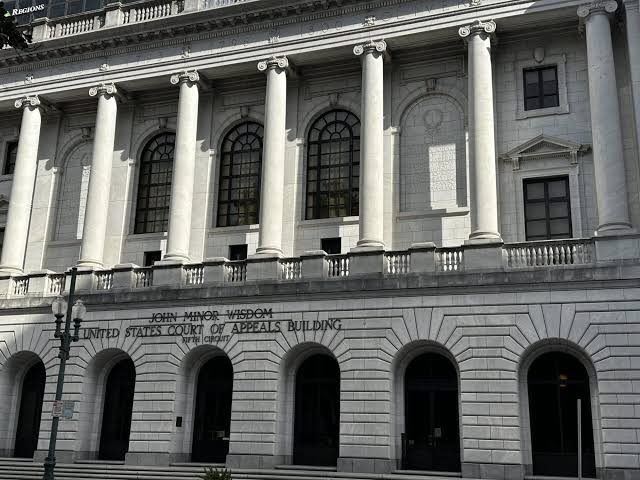
However, the U.S. Court of Appeals for the Fifth Circuit later reversed significant portions of that ruling.
The appeals court concluded that Section 208 of the Voting Rights Act does not automatically invalidate every state regulation concerning voter assistance. Instead, judges determined states may impose reasonable restrictions that do not completely eliminate a qualified voter’s right to receive help.
The Fifth Circuit warned that interpreting federal law too broadly could invalidate many common election regulations governing who may assist voters.
Supreme Court Declines Review
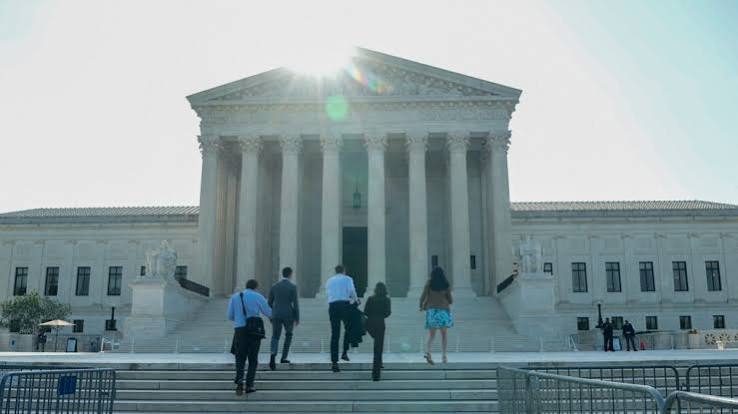
The latest chapter came when the Supreme Court declined to hear the appeal challenging the Texas law.
By denying review, the Court did not rule on whether the Texas law is constitutional or whether it permanently complies with federal law.
Instead, the justices simply allowed the Fifth Circuit’s ruling to remain in effect.
In practical terms, this means:
- Texas may continue enforcing its paid voter assistance restrictions.
- The Fifth Circuit decision remains binding within its jurisdiction.
- The legal issue could return to the Supreme Court in a future case if federal courts reach conflicting conclusions.
Why This Matters
The decision carries implications beyond Texas.
Many states have adopted laws regulating:
- Ballot collection
- Mail voting
- Voter assistance
- Election observers
- Election administration
As election-related lawsuits continue nationwide, courts are increasingly being asked to balance two competing priorities:
Election Integrity
Supporters argue safeguards help:
- Prevent fraud
- Increase public confidence
- Reduce opportunities for undue influence
- Ensure secure ballot handling
Voting Access
Critics argue some restrictions:
- Burden elderly voters
- Affect disabled citizens
- Create obstacles for limited-English speakers
- Reduce participation among vulnerable communities
The Texas case sits directly at the intersection of these competing principles.
Relationship to Other Supreme Court Election Cases
The Court’s decision arrives during a period of intense election litigation.
In recent months, the Supreme Court has also addressed disputes involving:
- Mail-in ballot deadlines
- Proof-of-citizenship requirements
- Congressional redistricting
- Voting Rights Act protections
For example, the Court recently upheld Mississippi’s ability to count certain mail ballots received after Election Day if they were postmarked on time, illustrating that election cases often produce highly fact-specific rulings rather than broad nationwide rules.
Critics Respond
Voting rights organizations expressed disappointment with the Court’s refusal to hear the case.
Advocates argue the decision leaves disabled and limited-English-proficient voters facing unnecessary barriers.
According to critics:
- Community organizations may reduce assistance programs.
- Fear of criminal liability could discourage volunteers.
- Some voters may struggle to access reliable assistance during elections.
Several advocacy groups indicated they will continue pursuing legislative and legal solutions.
Supporters Welcome the Outcome
Texas officials praised the result as a victory for election integrity.
Supporters argue paid ballot collection presents unique risks because financial incentives could influence how assistance is provided.
State leaders have repeatedly emphasized that elections should remain free from organized efforts that could pressure or manipulate vulnerable voters.
Attorney General Ken Paxton characterized the Fifth Circuit decision as protecting ballot security while preserving lawful voter assistance.
Could the Issue Return to the Supreme Court?
Yes.
Because the Court denied review rather than issuing a full opinion, the underlying legal question remains unsettled nationally.
Future developments that could bring the issue back include:
- Another federal appeals court reaching a different conclusion.
- Additional challenges involving similar state laws.
- Congressional amendments to the Voting Rights Act.
- New election legislation affecting voter assistance.
If a split develops among federal appellate courts, the Supreme Court may eventually decide the issue on the merits.
Broader Debate Over Election Law
The Texas paid voter assistance ban reflects a broader national debate over how elections should be conducted.
Supporters of stricter regulations argue stronger safeguards are essential to maintaining confidence in democratic institutions. Opponents contend that voting rules should prioritize accessibility and ensure every eligible voter can cast a ballot without unnecessary obstacles.
As more election-related cases move through federal courts, the Supreme Court is expected to remain a central player in defining the balance between state election authority and federal voting protections.
Conclusion
The Supreme Court’s decision not to review the Texas paid voter assistance ban leaves one of the state’s most controversial election laws intact. While the justices did not rule on the law’s ultimate legality, their refusal to hear the appeal allows Texas to continue enforcing restrictions on compensated voter assistance.
The debate is far from over. Voting rights advocates continue to argue that federal law guarantees broader protections for voters who require assistance, while Texas maintains that regulating paid assistance is a legitimate tool for protecting election integrity.
As future election disputes emerge across the country, the balance between ballot security, voter access, and the role of the Supreme Court will remain one of the defining legal issues shaping American democracy.