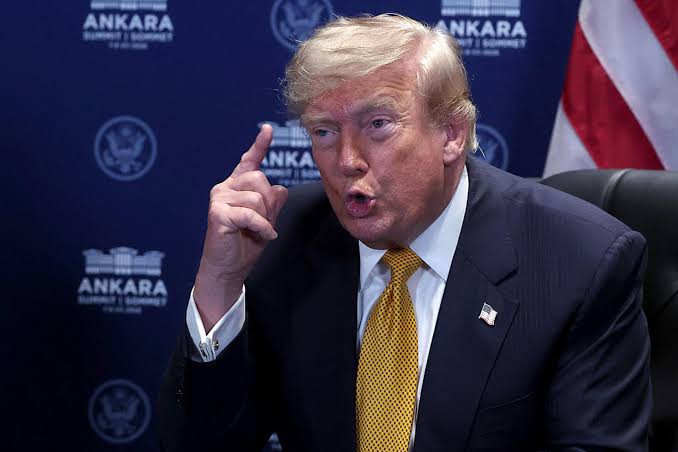
The latest NATO Summit was expected to expose deep divisions between President Donald Trump and several of America’s closest allies. Instead, the meeting concluded with Trump describing the gathering as a success and emphasizing what he called “unity” and “a lot of love” among alliance members, despite public disagreements over Iran, Spain’s defense commitments, and Greenland.
The contrast between Trump’s sharp criticism during the opening stages of the summit and his optimistic tone at the end has become one of the biggest talking points in international politics. His NATO summit Donald Trump remarks reflected both continued policy disagreements and a willingness to celebrate diplomatic achievements that aligned with his administration’s priorities.
A Summit Filled With Tension
Before the summit officially concluded, Trump publicly criticized several NATO allies on multiple issues.
Among his strongest complaints were:
- European allies’ limited support during tensions involving Iran.
- Spain’s defense spending and military commitments.
- His continued interest in Greenland’s strategic importance.
- Burden-sharing among NATO members.
Trump argued that some allies had failed to adequately support U.S. security priorities while continuing to depend heavily on American military protection. Those comments immediately sparked concern among European leaders who feared another difficult NATO meeting.
NATO Summit Donald Trump Remarks Focused on Defense Spending
Defense spending remained the central issue throughout the summit.
For years, Trump has insisted that European members should contribute more to their own defense rather than relying primarily on the United States.
During this summit, he repeated that position, praising countries that increased military budgets while criticizing those falling behind agreed targets.
Spain became one of Trump’s primary targets after disagreements over military expenditure and support for recent U.S. operations.
He suggested countries contributing less should expect tougher trade negotiations and greater responsibility for their own security. Those comments once again highlighted his long-standing “America First” approach toward NATO partnerships.
Iran Became Another Major Source of Disagreement
The conflict involving Iran also dominated discussions.
Trump criticized allies that offered limited backing during recent tensions involving Tehran.
He argued that some NATO members benefited from U.S. security guarantees while hesitating to support Washington during regional crises.
Several European governments maintained their preference for diplomatic engagement rather than broader military involvement, creating another visible divide between Washington and parts of Europe.
Despite those disagreements, NATO leaders avoided allowing Iran to overshadow the alliance’s broader security agenda.
Greenland Continued to Generate Headlines
Another issue drawing significant attention was Trump’s repeated interest in Greenland.
Although Greenland is an autonomous territory within the Kingdom of Denmark, Trump again emphasized its strategic military importance.
His remarks revived earlier debates about Arctic security, natural resources, and geopolitical competition with Russia and China.
Denmark rejected any suggestion regarding U.S. control of Greenland, yet the issue remained one of the summit’s most discussed political flashpoints.
So Why Did Trump Leave on a Positive Note?
Despite these disputes, several developments appeared to improve Trump’s overall assessment of the summit.
Increased Defense Commitments
One of Trump’s biggest objectives has always been encouraging NATO members to spend more on defense.
Alliance leaders highlighted continued increases in military investment across Europe, allowing Trump to claim that years of pressure had produced results.
For the White House, this represented a significant diplomatic success.
Continued Support for NATO
Although critics questioned whether Trump’s comments weakened alliance unity, NATO leaders reaffirmed their commitment to collective defense under Article 5.
Trump himself ended the summit by expressing support for NATO and emphasizing cooperation rather than conflict.
That message reassured markets and many allied governments concerned about transatlantic stability.
Ukraine Cooperation
Another notable announcement involved Ukraine.
Trump confirmed that the United States would permit Ukraine to produce Patriot air defense systems under license.
The move demonstrated continued Western support for Ukraine despite ongoing debates over broader security priorities.
For NATO members, the announcement represented an important example of alliance cooperation.
A Different Tone at the Closing Press Conference
Perhaps the biggest surprise came during Trump’s final press conference.
After hours of criticizing allies, he adopted a noticeably warmer tone.
He praised conversations with several leaders, complimented host nation Turkey, and described the summit as productive.
Instead of focusing on disagreements, he emphasized cooperation, friendship, and shared security goals.
Observers noted the dramatic shift from confrontation toward diplomacy as the summit concluded.
What NATO Leaders Wanted to Achieve
While Trump dominated headlines, NATO leaders had broader goals.
They sought to:
- Demonstrate alliance unity.
- Increase defense investment.
- Maintain support for Ukraine.
- Address security concerns involving Russia.
- Avoid a major diplomatic breakdown.
In many respects, they succeeded.
Although disagreements remained visible, the summit concluded without any significant rupture between the United States and its allies.
Mixed Reactions From Analysts
Political analysts offered differing interpretations.
Supporters argued Trump once again pushed allies toward greater defense commitments while securing tangible outcomes.
Critics contended that repeated disputes over allies risk undermining long-term trust within NATO.
Nevertheless, many observers agreed the final atmosphere proved more constructive than many had expected before the summit began.
What Trump’s NATO Summit Remarks Mean Going Forward
Trump’s comments suggest his administration will continue prioritizing:
- Higher defense spending by NATO members.
- Greater burden-sharing.
- Stronger pressure on allies during international crises.
- Strategic competition in regions such as the Arctic.
- Continued military support where it aligns with U.S. interests.
Future NATO meetings will likely revisit many of these same issues, particularly defense budgets and relations with Russia, Iran, and China.
Final Thoughts
The 2026 NATO Summit showcased both the strengths and tensions within the alliance. President Donald Trump entered the meeting criticizing allies over Iran, Spain’s military spending, and Greenland, yet departed describing the gathering as a diplomatic success marked by unity and cooperation.
His NATO summit Donald Trump remarks reflected a familiar pattern—using public pressure to demand greater commitments while ultimately emphasizing the importance of NATO’s collective security framework. Whether that approach strengthens or strains the alliance remains a subject of debate, but the summit concluded on a far more positive note than many observers had anticipated. (AP News)
Related: Graham Platner Withdraws From Maine Senate Race After Controversy — Read how the Senate candidate exited the race following mounting political and public scrutiny over recent allegations.