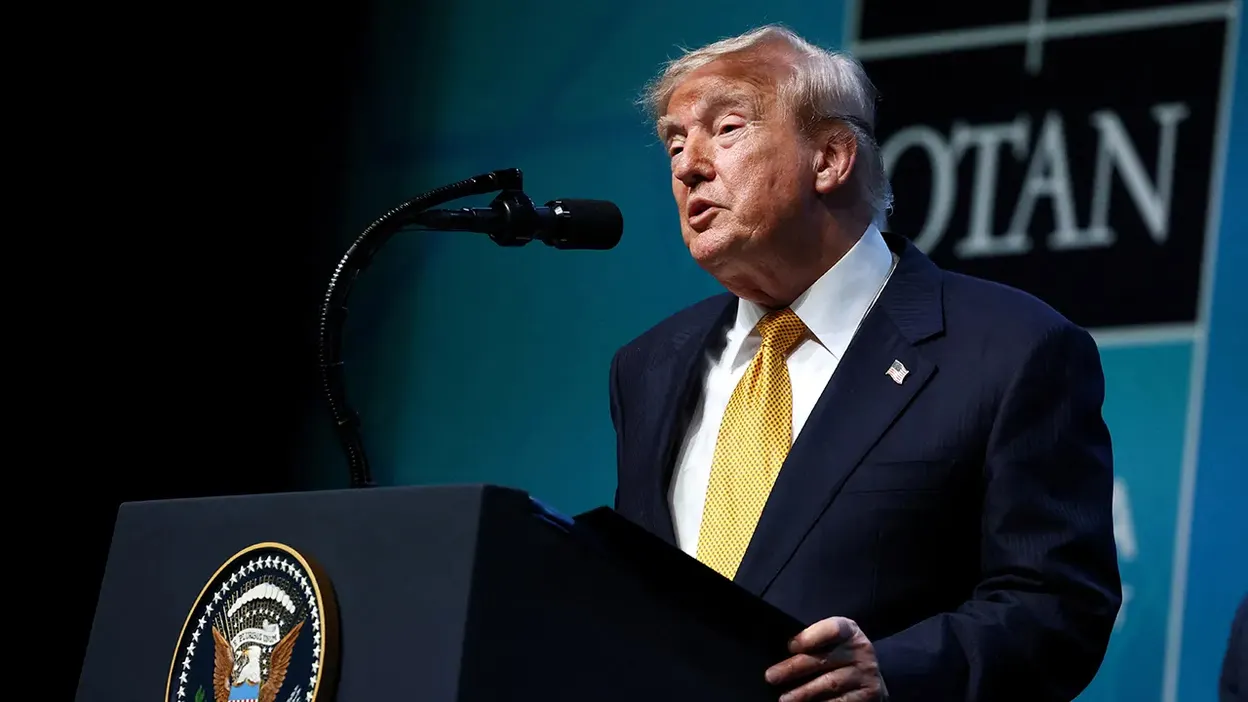
President Donald Trump’s decision to end the fragile Iran ceasefire has become one of the defining moments of the latest Middle East crisis. What began as an uneasy truce designed to prevent a broader regional war quickly unraveled after renewed attacks in the Strait of Hormuz and escalating military exchanges across the Gulf.
According to multiple reports, the decision was finalized during a series of high-level Oval Office meetings involving senior national security officials, military commanders, intelligence agencies, and White House advisers. The administration concluded that Iran had violated the spirit of the ceasefire, prompting Trump to abandon diplomatic restraint in favor of military pressure.
The move immediately reshaped U.S. foreign policy, rattled global energy markets, intensified concerns among America’s allies, and reignited debate over Washington’s long-term strategy in the Middle East.
Why Did Trump End the Iran Ceasefire?
The immediate catalyst was a series of attacks on commercial shipping moving through the Strait of Hormuz. U.S. officials argued that Iranian forces targeted vessels despite the ceasefire agreement that was intended to guarantee safe maritime passage.
Inside the White House, intelligence briefings reportedly convinced Trump that continuing the ceasefire would encourage additional attacks rather than deter them. Officials presented military and intelligence assessments indicating that Iran was testing U.S. resolve while continuing aggressive regional operations.
Following those discussions, Trump authorized a new military response while simultaneously revoking concessions that had been offered to Tehran during earlier negotiations.
Inside the Oval Office Meetings
Reports indicate that several hours of discussions took place inside the Oval Office before the final decision was made.
Officials reportedly reviewed:
- Updated intelligence on Iranian military activities
- Security risks facing commercial shipping
- Potential retaliation against U.S. bases
- Oil market implications
- Diplomatic options available through regional mediators
- Military response scenarios
The debate reportedly centered on whether continued diplomacy remained viable after repeated incidents at sea. According to accounts of the deliberations, Trump concluded that the ceasefire no longer served American strategic interests.
The Strait of Hormuz Became the Breaking Point
Much of the crisis revolved around the Strait of Hormuz, one of the world’s most important energy corridors.
A significant portion of global oil exports passes through this narrow waterway every day. Any disruption immediately affects international energy prices and financial markets.
After renewed attacks on shipping, U.S. officials argued that freedom of navigation had become a national security priority.
Trump reportedly viewed protecting maritime trade as a non-negotiable objective, making further military action increasingly likely.
Military Response Followed Quickly
Shortly after ending the ceasefire, the United States launched additional military operations targeting Iranian positions.
Reports indicated strikes against:
- Missile launch facilities
- Air-defense systems
- Radar installations
- Strategic coastal infrastructure
Administration officials described the operation as both retaliatory and preventive, arguing that it was intended to deter further attacks against commercial shipping.
Iran condemned the strikes and vowed further retaliation.
Political Calculations Inside Washington
The decision also carried major domestic political implications.
Supporters argued that a strong military response demonstrated American resolve and protected global commerce.
Critics questioned whether ending the ceasefire unnecessarily increased the risk of a wider regional conflict.
Several lawmakers expressed concern that military escalation lacked a clearly defined long-term strategy, while others supported the administration’s position that deterrence required decisive action.
The debate quickly expanded beyond military policy into broader questions about congressional oversight and presidential war powers.
Impact on Global Oil Markets
Markets reacted almost immediately after Trump’s announcement.
Oil prices climbed sharply as investors anticipated possible disruptions to supplies moving through the Gulf.
Energy analysts warned that prolonged instability in the Strait of Hormuz could increase transportation costs, insurance premiums, and fuel prices worldwide. Stock markets also experienced heightened volatility as geopolitical risks intensified.
Diplomatic Fallout
Several regional governments continued attempting to preserve communication channels between Washington and Tehran despite renewed fighting.
Countries including Qatar, Turkey, Saudi Arabia, Egypt, and Pakistan have previously played mediation roles during earlier phases of the conflict.
However, Trump’s declaration that the ceasefire was effectively over significantly complicated ongoing diplomatic efforts.
Analysts noted that rebuilding trust after renewed military operations would likely prove far more difficult than negotiating the original ceasefire.
International Reactions
America’s allies responded cautiously.
Some governments supported efforts to secure international shipping lanes while urging restraint to avoid a broader regional war.
Others emphasized the importance of returning to negotiations before additional escalation occurred.
International organizations also warned that continued military exchanges risked destabilizing the wider Middle East while threatening global economic recovery.
Could Diplomacy Return?
Although the ceasefire has effectively collapsed, diplomacy has not disappeared entirely.
Officials familiar with regional negotiations suggest that indirect communication channels remain open through third-party mediators.
Future negotiations would likely require:
- Security guarantees for maritime navigation
- Verification mechanisms
- Limits on regional military activity
- Confidence-building measures
- New diplomatic frameworks
Whether either side is prepared to compromise remains uncertain.
What This Means for U.S. Foreign Policy
Trump’s Oval Office decision represents a major turning point in American Middle East policy.
Rather than relying primarily on negotiated restraint, the administration appears increasingly focused on deterrence backed by military force.
Supporters believe this approach strengthens American credibility.
Critics argue it risks drawing the United States into a prolonged regional confrontation.
The coming weeks will likely determine whether military pressure produces renewed negotiations or triggers another cycle of escalation.
Conclusion
Trump’s decision to end the Iran ceasefire was shaped by intelligence assessments, security concerns in the Strait of Hormuz, and growing frustration inside the White House over what officials viewed as repeated Iranian violations. The Oval Office deliberations culminated in a shift from diplomacy to military action, marking a significant escalation in U.S.–Iran tensions. As regional conflict expands and global markets respond, the consequences of that decision continue to unfold, with uncertainty surrounding both future negotiations and the broader stability of the Middle East. (The Wall Street Journal)
Read our complete coverage of Iran War Live: Tehran Strikes Bahrain, Kuwait and Qatar After Deadly US Attacks to understand how Trump’s decision to end the ceasefire triggered rapid military escalation across the Gulf and intensified the regional conflict.