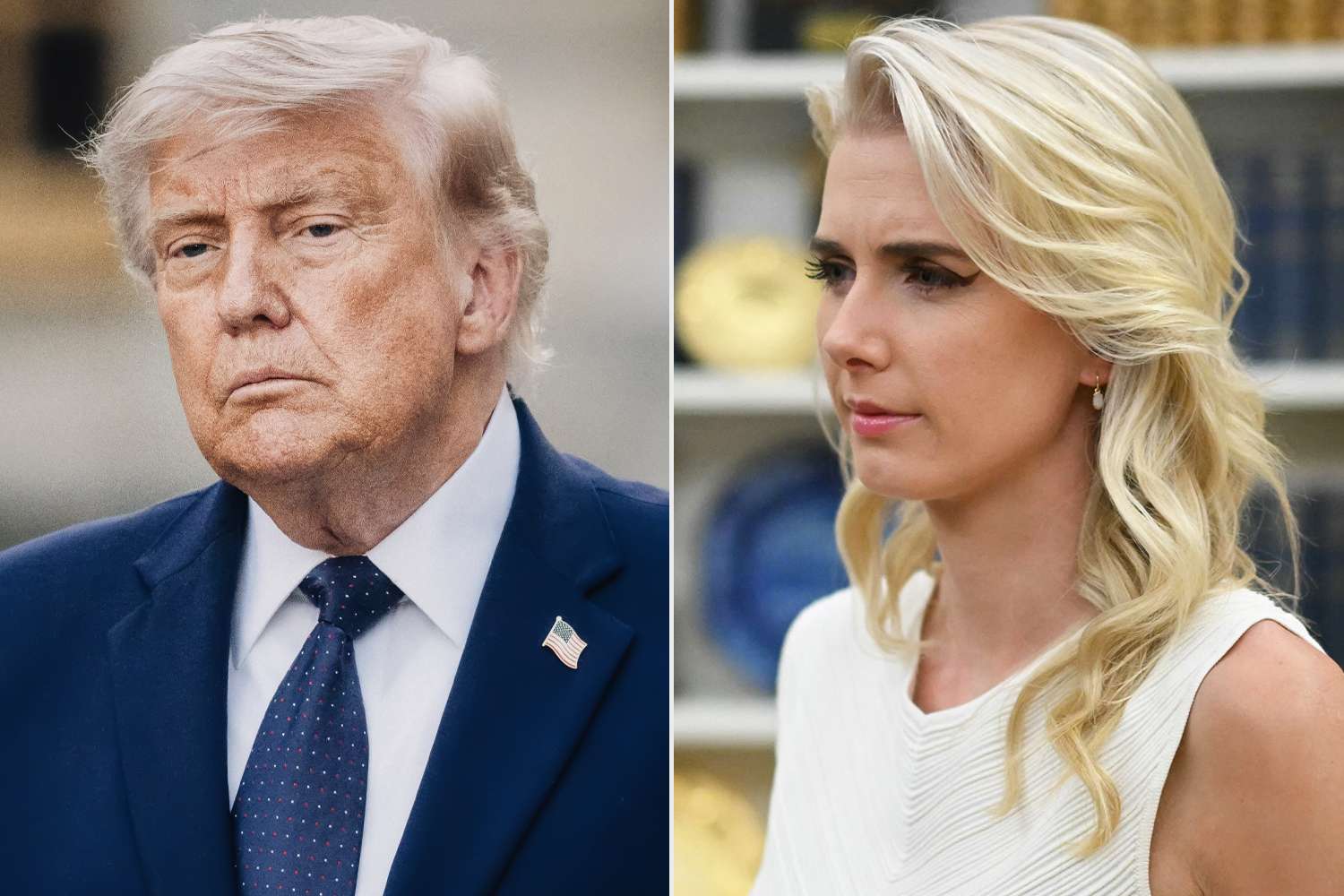
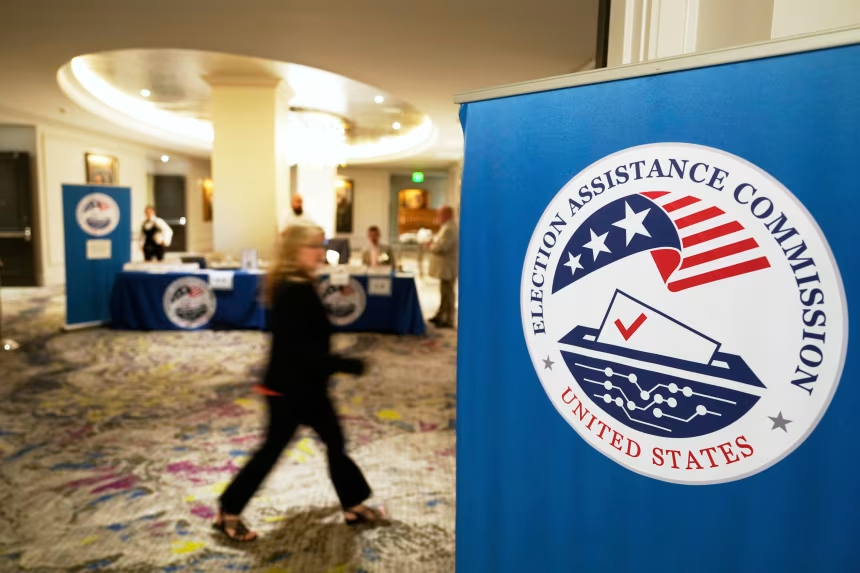
President Donald Trump has dismissed the remaining members of the U.S. Election Assistance Commission (EAC), triggering one of the most significant changes to the nation’s election oversight system ahead of the 2026 midterm elections. The move has sparked widespread debate over election administration, presidential authority, and the future of federal election security.
The decision affects the bipartisan agency responsible for helping states administer elections, certifying voting equipment, accrediting testing laboratories, and maintaining federal voting guidelines. Supporters argue the overhaul is part of Trump’s broader effort to reform election systems, while critics warn it could weaken confidence in the independence of election administration.
What Is the Election Assistance Commission?
The Election Assistance Commission (EAC) was created under the Help America Vote Act (HAVA) of 2002 following the disputed 2000 presidential election.
Unlike the Federal Election Commission (FEC), which regulates campaign finance, the EAC focuses on improving election administration. Its responsibilities include:
- Certifying voting systems
- Accrediting voting machine testing laboratories
- Providing grants to states
- Publishing election administration guidance
- Maintaining the National Mail Voter Registration Form
By law, the commission consists of four members, with no more than two commissioners belonging to the same political party, ensuring bipartisan oversight.
Trump Removes Remaining Commissioners
According to multiple reports, Trump removed the commission’s remaining leadership through actions taken by the White House.
Reports indicate:
- Democratic commissioners Benjamin Hovland and Thomas Hicks were dismissed.
- Republican Commissioner Christy McCormick resigned as part of the transition.
- The commission is now left without sitting commissioners until new appointments are made.
The White House has not publicly detailed its replacement timeline.
Why Did Trump Fire the Election Assistance Commission Leaders?
The administration has not issued a comprehensive explanation.
However, the dismissals come amid Trump’s continued emphasis on election integrity, voting security, and federal oversight of election procedures.
Since returning to office, Trump has:
- Promoted stricter voter verification policies
- Sought changes to mail voting procedures
- Expanded federal involvement in election administration
- Called for reforms aimed at preventing voter fraud
Supporters believe new leadership could better align the agency with those priorities. Critics argue the timing raises concerns because the nation is preparing for congressional midterm elections.
Why the Timing Matters
The timing has become one of the biggest issues surrounding the decision.
The United States is only months away from the 2026 midterm elections, when control of Congress will be contested.
Normally, the EAC helps states prepare by:
- Certifying new voting equipment
- Updating election guidance
- Coordinating with state election officials
- Managing grant programs
- Supporting election security initiatives
Without commissioners, some observers worry certain policy decisions and certifications could face delays until replacements receive Senate confirmation.
Supporters Defend the Move
Trump allies argue that presidents should have greater authority over executive agencies.
Supporters say:
- The president was elected to implement election reforms.
- Independent agencies should remain accountable.
- Leadership changes are common after changes in administrations.
- New commissioners could modernize election administration.
Some legal experts also note that recent court decisions have expanded presidential authority over certain independent federal agencies, potentially strengthening the administration’s position.
Critics Raise Concerns
Election officials and voting rights organizations expressed concern almost immediately.
Their primary arguments include:
Independence
The EAC was intentionally designed to remain bipartisan and independent from direct political influence.
Election Confidence
Removing all remaining commissioners before a national election could reduce public confidence in election administration.
Operational Challenges
Without confirmed commissioners, important certification and regulatory decisions could be delayed.
Arizona Secretary of State Adrian Fontes and other election officials criticized the move, warning that stable election administration depends on bipartisan oversight.
Can Trump Legally Remove the Commissioners?
The legal question remains unsettled.
The Help America Vote Act establishes the structure of the commission but does not explicitly resolve every aspect of presidential removal authority.
Recent Supreme Court decisions involving independent agencies have generally expanded presidential authority to remove executive officials, though legal experts expect additional debate over whether those rulings apply fully to the EAC.
If legal challenges emerge, courts may ultimately determine the scope of presidential authority over the commission.
What Happens Next?
The commission cannot function normally without commissioners.
The next steps include:
- Trump nominating new commissioners.
- Senate confirmation hearings.
- Restoration of the bipartisan commission.
- Resumption of full voting authority.
Until then, career staff will continue handling routine administrative work, although major policy decisions could require commissioner approval.
Impact on the 2026 Midterm Elections
Most election experts emphasize that state governments—not the federal government—actually conduct elections.
State election offices oversee:
- Ballot printing
- Poll worker training
- Voting locations
- Vote counting
- Election certification
However, the EAC plays an important supporting role by setting voluntary standards and certifying voting technology used across the country.
Any prolonged vacancy could create uncertainty for states planning equipment upgrades or implementing new election procedures before November.
Political Reactions
The decision quickly became another flashpoint in the national debate over election integrity.
Republican supporters largely described the move as part of a broader effort to increase accountability within federal election institutions.
Democrats argued the dismissals threaten bipartisan election administration and questioned whether removing all commissioners so close to the midterms could undermine public trust.
The issue is expected to remain prominent as Congress reviews future nominations and election policy debates continue.
Broader Context
The EAC shake-up fits into a wider pattern of administrative restructuring during Trump’s second term. The administration has pursued changes across multiple federal agencies while emphasizing executive authority and institutional reform.
Whether the Election Assistance Commission ultimately emerges stronger or faces prolonged uncertainty will depend largely on how quickly new commissioners are nominated and confirmed by the Senate.
For now, the dismissals have intensified political debate over election oversight at a pivotal moment in the U.S. electoral calendar, ensuring that election administration will remain one of the defining political issues leading into the 2026 midterm elections. (Reuters)
Also Read: Trump Unveils New White House Column Construction Project to learn how the president’s latest White House renovation initiative is drawing attention alongside major administrative changes across the federal government.