The Department of Homeland Security (DHS) is preparing a significant policy shift that could reshape how states receive federal election security funding. According to recent reports, the department plans to impose stricter conditions on states that fail to comply with new election security requirements, a move that has already sparked political debate across the United States.
The proposal comes as the Trump administration intensifies its focus on election integrity ahead of the 2026 midterm elections. Supporters argue the measures are necessary to protect public confidence in elections, while critics say the federal government is attempting to pressure states into adopting controversial voting policies.
Why Is DHS Changing Election Security Funding?
The Department of Homeland Security oversees several grant programs designed to help states strengthen election infrastructure. These grants traditionally fund cybersecurity improvements, voting equipment protection, emergency planning, and election worker training.
Under the new proposal, states may lose access to portions of federal homeland security funding if they refuse to adopt certain election security standards established by DHS.
According to reports, the administration wants participating states to implement measures such as:
- Expanded citizenship verification for voter registration
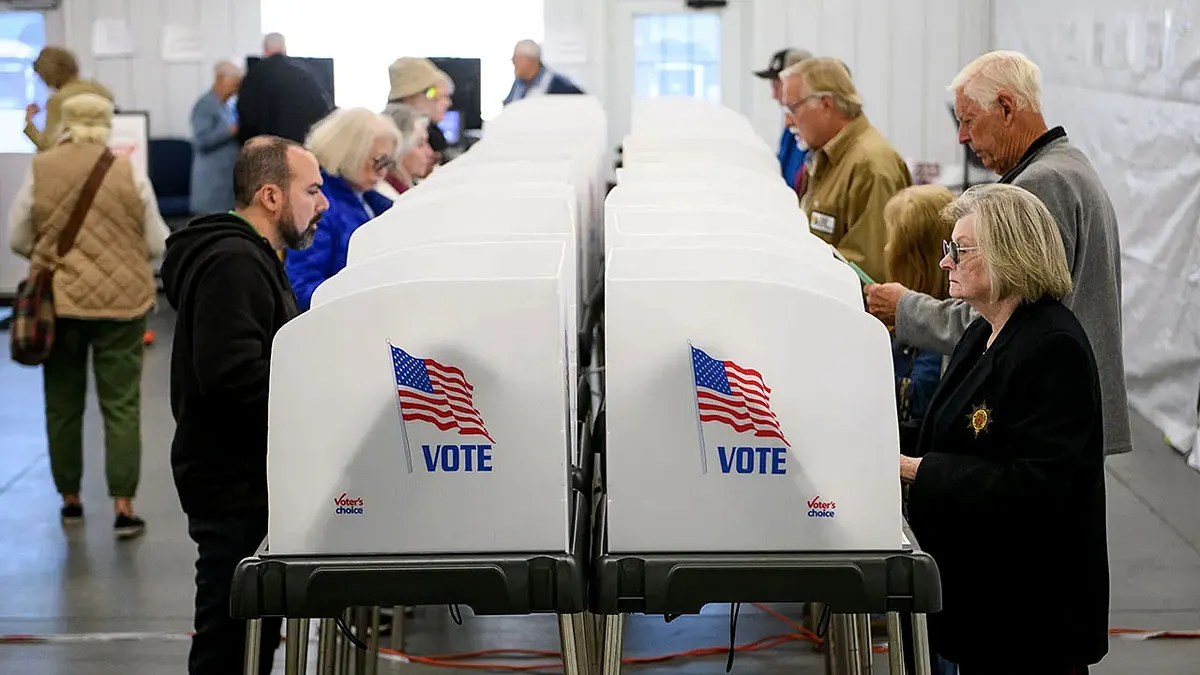
- Greater use of paper ballots
- Manual post-election audits
- Compliance with updated federal election security guidance
Officials argue these measures will improve transparency and reduce vulnerabilities before Americans head to the polls in 2026.
The Connection to Trump’s Election Agenda
The proposed crackdown aligns closely with President Donald Trump’s broader campaign to tighten election administration.
Since returning to office, Trump has repeatedly emphasized election integrity, arguing that stronger verification systems are needed to ensure only eligible citizens vote. Earlier executive actions encouraged federal agencies to work more closely with states on voter verification and election security standards.
The DHS proposal appears to expand that strategy by tying federal grant money to compliance with election security requirements.
Supporters say federal funding should reward states that adopt stronger security measures. Critics counter that elections are primarily administered by states, raising constitutional questions about how much influence the federal government should exert through funding incentives.
What Requirements Could States Face?
Although implementation details continue to emerge, reports indicate DHS could require states receiving election security grants to satisfy several conditions.
These may include:
Citizenship Verification
States could be expected to use federal databases, including the SAVE system, to verify voter eligibility where permitted by law.
Paper Ballots
The administration favors hand-marked paper ballots because they provide a physical record that can be independently audited.
Manual Audits
Post-election audits would help verify electronic vote totals through manual ballot reviews.
Federal Security Standards
Election offices may need to demonstrate compliance with updated cybersecurity recommendations and federal election protection guidance.
Supporters argue these requirements create greater accountability and strengthen confidence in election outcomes.
Why Some States Oppose the Proposal
Several election officials and state governments have expressed concerns over the DHS initiative.
Critics argue that:
- States already have authority over election administration.
- Federal conditions could interfere with existing state election laws.
- New verification systems may create administrative burdens.
- Implementing new procedures before the midterms could prove expensive.
Some Democratic officials have described the proposal as politically motivated, while Republican-led states generally appear more supportive of expanded federal election security initiatives.
Legal Questions Could Follow
Election administration has historically been one of the most decentralized aspects of American government.
Although Congress and federal agencies play important supporting roles, states retain broad constitutional authority over how elections are conducted.
Legal experts say any attempt to withhold federal funding based on election policy compliance could face court challenges.
Potential legal issues include:
- Federal authority over state election systems
- Conditions attached to homeland security grants
- Constitutional limits on federal influence
- Administrative law challenges
Courts may ultimately determine whether DHS possesses sufficient authority to enforce these funding conditions.
Election Security vs. State Independence
The debate reflects a longstanding tension in American elections.
One side argues that consistent national standards strengthen election security.
The other believes states should remain free to design election systems that best serve their voters.
Supporters of stronger federal involvement point to cybersecurity threats, foreign interference, and the need for consistent safeguards.
Opponents argue that centralized control risks undermining state flexibility and local election administration.
This disagreement is likely to remain central throughout the 2026 election cycle.
The Role of Federal Grant Funding
Federal election security grants have become increasingly important since concerns over election interference gained national attention.
These funds help states:
- Upgrade election technology
- Improve cybersecurity
- Protect voter databases
- Train election officials
- Conduct risk assessments
- Enhance emergency preparedness
Because many states rely on these grants, any reduction in funding could significantly affect local election budgets.
The possibility of withholding grant money therefore creates a powerful incentive for states to consider federal recommendations.
Political Reactions
Republican lawmakers largely argue that stronger election verification measures improve voter confidence.
Many believe requiring citizenship verification and expanding paper ballot use are reasonable safeguards.
Democratic lawmakers generally argue that widespread voter fraud remains extremely rare and warn against imposing new administrative requirements that could complicate voting or burden election officials.
Election advocacy organizations have also raised concerns regarding data privacy, implementation costs, and possible voter confusion if significant changes occur close to Election Day. (Reuters)
What Happens Next?
The proposal is expected to undergo further review before full implementation.
Several developments will likely determine its future:
- Publication of official DHS grant guidance
- State responses to new requirements
- Possible lawsuits challenging federal authority
- Congressional oversight hearings
- Implementation timelines before the 2026 midterm elections
Some states may voluntarily comply to retain federal funding, while others could challenge the policy in court.
Impact on the 2026 Midterm Elections
Election security will likely remain one of the defining issues of the 2026 midterms.
Whether the DHS proposal survives legal scrutiny or undergoes revisions, it demonstrates that election administration has become a major national policy debate.
For voters, the immediate impact may be limited. Most proposed changes affect election administration rather than voting procedures themselves.
However, state election officials may face significant operational decisions regarding funding, compliance, cybersecurity, and voter verification over the coming months.
As the political and legal debate continues, both supporters and opponents agree on one point: election security will remain at the center of American politics through the 2026 election cycle.
Read our related coverage: Trump’s White House Column Project: Why New Columns Are Being Added to learn how the administration is pursuing another high-profile federal initiative alongside its election security agenda.