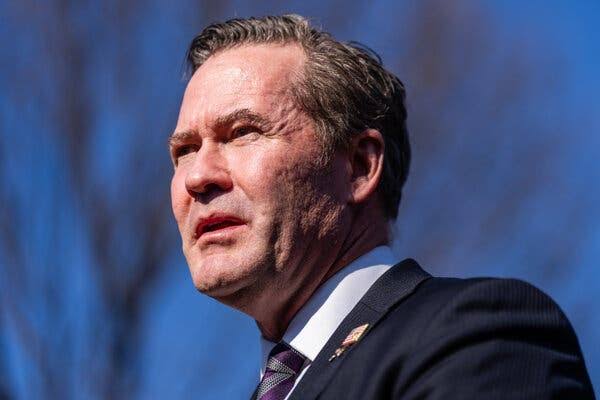

Abelardo de la Espriella has become one of the most talked-about political figures in Latin America after winning Colombia’s 2026 presidential election. The lawyer, businessman, and conservative political outsider defeated left-wing candidate Iván Cepeda in one of the closest presidential races in modern Colombian history, marking a dramatic shift in the country’s political direction.
As global interest grows around Abelardo de la Espriella Colombia, many people are asking: Who is Abelardo de la Espriella? What happened during the Colombia elecciones? Who is Cepeda Colombia, and what does the election mean for the country’s future?
This guide answers those questions while exploring the background, policies, and political impact of Colombia’s newly elected president.
Who Is Abelardo de la Espriella?
Abelardo de la Espriella is a Colombian lawyer, entrepreneur, author, and politician who built his reputation long before entering electoral politics. Born in 1978, he became known for representing clients in several high-profile legal cases and later established himself as a television commentator and public speaker.
His transition into politics began with the creation of his nationalist political movement, Defenders of the Homeland, which promoted stronger security, economic liberalization, and a reduction in government bureaucracy.
Unlike many traditional Colombian politicians, De la Espriella positioned himself as an outsider willing to challenge the political establishment.
Abelardo de la Espriella Colombia: From Lawyer to President
Before entering politics, De la Espriella spent more than two decades practicing law. His legal career included representation in criminal, constitutional, and commercial cases that frequently attracted media attention.
Over time, he expanded into publishing books, business ventures, and public commentary, developing a strong following on social media. His communication style, direct speeches, and nationalist message helped him connect with voters frustrated by crime, corruption, and economic uncertainty.
By 2025, he officially launched his presidential campaign, presenting himself as a candidate who promised order, economic growth, and institutional reform.
Colombia Elecciones 2026: A Historic Election
The Colombia elecciones of 2026 were among the country’s most competitive presidential contests.
Following the completion of President Gustavo Petro’s constitutionally limited term, Colombians voted to choose a new leader.
The runoff election featured two candidates with sharply different political visions:
- Abelardo de la Espriella (conservative nationalist)
- Iván Cepeda (left-wing senator)
After an intense campaign, De la Espriella secured a narrow victory with approximately 49.66% of the vote, defeating Cepeda by fewer than 300,000 votes. Election observers described the voting process as transparent despite post-election challenges and recount requests.
Cepeda Colombia: Who Is Iván Cepeda?
When people search for Cepeda Colombia, they are referring to Iván Cepeda, a veteran Colombian senator and human rights advocate.
Cepeda represented Colombia’s progressive political movement and campaigned on promises to continue many of the social reforms introduced during the Petro administration.
His campaign emphasized:
- Social equality
- Environmental protection
- Human rights
- Peace negotiations
- Public investment
Although he lost the runoff election, Cepeda remained one of Colombia’s most influential political figures and initially challenged aspects of the vote-counting process before later conceding following the official certification of results.
New Colombian President: Why the Election Matters
The election of Abelardo de la Espriella represents a significant political shift.
Colombia moved from its first left-wing presidency under Gustavo Petro to a conservative administration focused on:
- Stronger law enforcement
- Economic deregulation
- Private investment
- Fiscal reforms
- National security
Supporters believe these policies could improve investor confidence and reduce crime.
Critics, however, worry about civil liberties, environmental protections, and the future of peace negotiations with armed groups.
Key Campaign Promises
During the campaign, De la Espriella outlined several major priorities.
1. Improve National Security
Crime became one of the defining issues of the election.
He promised:
- Tougher action against organized crime
- Expanded prison capacity
- Increased military support
- Stronger anti-drug operations
2. Boost Economic Growth
Economic reforms include:
- Lower government spending
- Simplified regulations
- Encouraging foreign investment
- Expanding Colombia’s energy sector
3. Government Reform
De la Espriella pledged to reduce bureaucracy and modernize public institutions while increasing efficiency across government agencies.
Domestic Challenges Facing the New Administration
Although winning the presidency is a major achievement, governing Colombia presents significant challenges.
Among the biggest issues are:
Security
Illegal armed groups remain active in several regions.
Economy
Colombia must balance economic growth with inflation, public spending, and employment.
Political Division
The election highlighted deep ideological divisions between conservative and progressive voters.
Building consensus in Congress could prove difficult.
International Relations
The new government will also need to manage relationships with the United States, neighboring Latin American countries, and international organizations.
International Attention
International media closely followed Colombia’s election because the result could influence politics throughout Latin America.
Observers have compared De la Espriella’s communication style to other conservative populist leaders around the world, although his administration will ultimately be judged by its own policies and governance.
Global investors are particularly watching:
- Energy policy
- Trade
- Foreign investment
- Security cooperation
These areas could shape Colombia’s economy over the next four years.
Public Support and Criticism
Like many newly elected leaders, De la Espriella enters office with both enthusiastic supporters and determined critics.
Supporters argue that:
- Colombia needs stronger leadership.
- Crime requires tougher policies.
- Businesses need fewer regulations.
- Economic reforms will create jobs.
Critics argue that:
- Some proposals could weaken democratic institutions.
- Environmental protections may be reduced.
- Human rights organizations have expressed concerns about hardline security policies.
The coming months will reveal how campaign promises translate into government action.
What Happens Next?
Abelardo de la Espriella is scheduled to begin his presidential term on August 7, 2026, following the official transition of power. His administration is expected to prioritize security reforms, economic measures, and institutional changes early in its tenure.
Conclusion
The election of Abelardo de la Espriella marks one of the most significant political changes in Colombia in recent decades. His victory over Iván Cepeda reflects a closely divided electorate and signals a shift toward a more conservative governing agenda.
Whether his presidency delivers stronger security, sustained economic growth, and political stability remains to be seen. What is certain is that both Colombians and international observers will be watching closely as the new Colombian president begins implementing his ambitious vision for the country’s future.