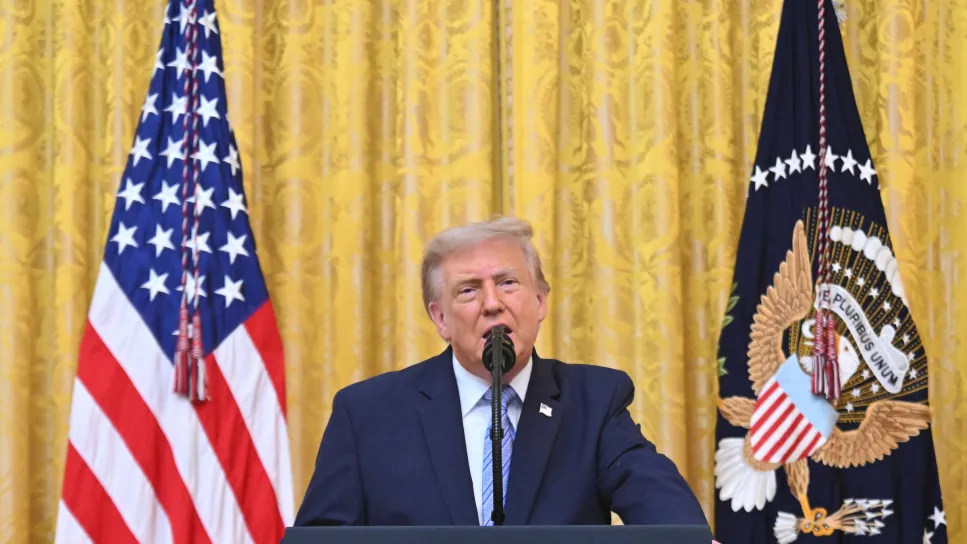
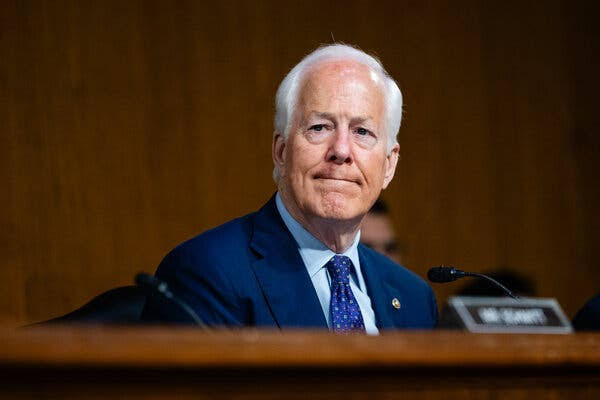
Senator John Cornyn has signaled support for advancing key Trump administration nominees after receiving assurances regarding the future of a major U.S. foreign aid initiative. The decision comes after days of public pressure from the Texas Republican, who had threatened to block ambassadorial nominations unless the administration addressed concerns over congressionally approved international assistance funding.
The development highlights the continuing debate within the Republican Party over foreign aid, executive authority, and Senate confirmation politics. While Cornyn ultimately backed the nominees, his actions demonstrated that even prominent Republicans are willing to use Senate leverage to influence White House policy on international programs.
Why John Cornyn Initially Opposed the Nominees
Before agreeing to move forward with President Donald Trump’s nominees, Cornyn publicly warned that he would withhold support unless the administration provided assurances about funding for the President’s Emergency Plan for AIDS Relief (PEPFAR).
Cornyn argued that Congress had already appropriated billions of dollars for the program and expected the executive branch to distribute those funds according to law. He emphasized that the Senate confirmation process was one of the few tools lawmakers possess to influence executive decisions regarding appropriated spending.
According to reports, Cornyn specifically targeted ambassadorial nominees, indicating that he was prepared to vote against advancing them unless concerns over the foreign aid program were resolved.
What Assurances Did Cornyn Receive?
While the administration did not publicly release every detail of its discussions with Cornyn, reports indicate that the Texas senator received sufficient commitments regarding the release and implementation of foreign aid funding.
Those assurances reportedly convinced Cornyn that the administration intended to follow congressional directives concerning the aid program. As a result, he agreed to support moving the nominations forward through the Senate Foreign Relations Committee.
Although some lawmakers continue to seek additional transparency regarding funding timelines, Cornyn indicated that the administration’s commitments addressed his immediate concerns.
The Foreign Aid Program at the Center of the Dispute
The controversy centered on the President’s Emergency Plan for AIDS Relief (PEPFAR), one of America’s largest global health initiatives.
Created during President George W. Bush’s administration, PEPFAR has received bipartisan support for more than two decades and has funded HIV prevention, treatment, and healthcare infrastructure across numerous developing countries.
Supporters argue the program:
-
Saves millions of lives worldwide.
-
Strengthens U.S. diplomatic relationships.
-
Promotes global health security.
-
Helps prevent future public health crises.
Critics, however, have questioned certain aspects of foreign assistance spending and called for greater oversight and accountability.
The funding debate reflects broader disagreements within Congress about balancing domestic priorities with international humanitarian commitments.
Why Senate Confirmations Became Leverage
The U.S. Senate has constitutional authority to confirm many presidential nominees, including ambassadors and senior executive officials.
Individual senators can use committee votes or procedural tactics to delay confirmations, often seeking concessions on unrelated policy matters.
Cornyn openly acknowledged that nominee votes offered one of the few effective ways to gain the administration’s attention regarding foreign aid funding.
His strategy demonstrates how Senate procedures frequently become negotiating tools in broader political disputes.
Trump’s Nominees Continue Moving Forward
Following Cornyn’s decision, several Trump administration nominees are expected to continue advancing through the confirmation process.
The White House has been actively nominating ambassadors and senior officials as it seeks to fill key diplomatic positions around the world.
Administration officials argue that quickly confirming nominees is essential for strengthening U.S. foreign policy, improving diplomatic engagement, and implementing the president’s international agenda.
The White House has continued sending additional nominations to the Senate in recent weeks.
Republican Divisions Over Foreign Aid
Although Republicans generally support Trump’s nominees, the foreign aid debate has revealed differing viewpoints within the party.
Some Republicans advocate reducing overseas spending in favor of domestic priorities.
Others, including Cornyn, argue that carefully targeted foreign assistance serves America’s long-term national security interests by promoting stability, reducing disease outbreaks, and strengthening alliances.
This disagreement does not necessarily reflect opposition to Trump’s nominees themselves but rather concerns over how previously approved funding should be administered.
Democratic Response
Democrats largely welcomed Cornyn’s insistence that congressionally approved funding be honored.
Many Democratic senators have argued that the executive branch should not delay or withhold funds that Congress has already appropriated.
However, Democrats continue opposing several Trump nominees for separate reasons, including disagreements over policy positions and qualifications.
As a result, confirmation battles are expected to remain politically contentious even after Cornyn’s concerns were addressed.
What This Means for U.S. Foreign Policy
The episode illustrates the growing importance of congressional oversight in shaping foreign policy.
Even when the White House controls executive agencies, lawmakers retain significant influence through:
-
Senate confirmation powers.
-
Congressional appropriations.
-
Oversight hearings.
-
Budget negotiations.
Cornyn’s actions reinforce that bipartisan support still exists for certain long-standing foreign assistance programs despite broader debates over government spending.
At the same time, the administration continues emphasizing greater accountability in how international aid dollars are distributed.
Political Impact for John Cornyn
Cornyn’s handling of the dispute reflects his long-standing approach as a Senate institutionalist willing to challenge administrations—including those led by fellow Republicans—on issues involving congressional authority.
By securing assurances before approving nominees, Cornyn positioned himself as both supportive of the Trump administration’s staffing priorities and protective of Congress’s constitutional power over federal spending.
Political analysts note that this balancing act could appeal to voters who value both fiscal oversight and effective governance.
What’s Next?
Although the immediate nomination dispute appears resolved, Congress is expected to continue monitoring foreign aid implementation closely.
Future confirmation hearings could again become opportunities for senators to press administration officials on funding, diplomacy, and international development programs.
Meanwhile, the Trump administration continues working with Senate leaders to secure confirmation for additional nominees across the executive branch.
The broader debate over America’s role in global humanitarian assistance—and Congress’s authority over federal spending—is likely to remain a significant issue throughout the current legislative session. (Houston Chronicle)