The administration of New York City Mayor Zohran Mamdani is facing growing political scrutiny after reports revealed that a senior member of his team had planned a meeting with Iran’s Ambassador to the United Nations before the event was ultimately canceled.
The controversy has fueled debate over the appropriate role of municipal officials in international diplomacy, particularly during a period of heightened tensions between the United States and Iran. Critics argue the planned engagement demonstrated poor judgment, while supporters say city officials routinely interact with foreign diplomats as part of New York City’s unique position as host of the United Nations.
The incident has quickly become another flashpoint in the ongoing political battles surrounding Mamdani’s administration.
Why the Planned Meeting Drew Attention
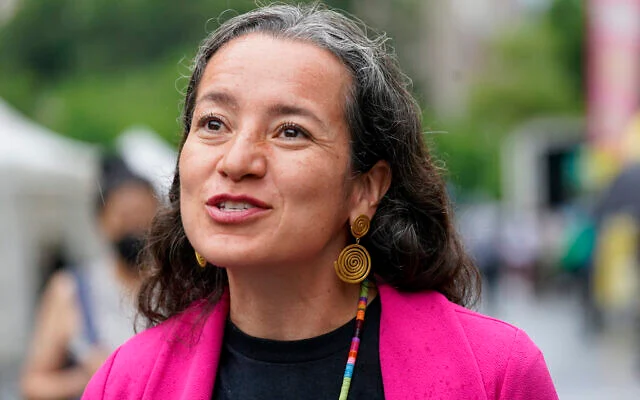
According to multiple reports, Ana María Archila, the commissioner overseeing New York City’s Office for International Affairs, scheduled a meeting with Iran’s UN Ambassador Amir-Saeid Iravani earlier this week.
The meeting reportedly never took place after officials from the U.S. State Department became aware of the planned discussion and intervened. Reports indicate that the federal government raised concerns because the United States remains engaged in significant diplomatic and security disputes with Iran.
The cancellation itself has become a major political story, with opponents questioning how the meeting was arranged and whether proper coordination occurred before invitations were extended.
Why New York City’s International Affairs Office Exists
Unlike most American cities, New York hosts the headquarters of the United Nations and hundreds of foreign diplomatic missions.
Because of this unique position, the Mayor’s Office for International Affairs regularly communicates with diplomats, foreign delegations, and international organizations.
Its responsibilities generally include:
- Supporting diplomatic visits
- Coordinating international events
- Strengthening relationships with foreign cities
- Promoting trade and cultural exchanges
- Assisting with UN-related activities
While communication with diplomats is common, meetings involving representatives from governments currently involved in major geopolitical disputes often attract additional political attention.
State Department Reportedly Stepped In
Reports suggest that federal officials objected to the planned meeting before it occurred.
According to those reports, the State Department informed city officials that discussions involving representatives of Iran required greater caution given current U.S. foreign policy priorities and ongoing tensions between Washington and Tehran.
Although city governments maintain relationships with international officials, foreign policy remains exclusively under federal authority.
That distinction has become central to the criticism surrounding the incident.
Questions Over Internal Communication
Another issue receiving attention is whether senior city leadership was fully aware of the planned meeting.
Some reports claim Mayor Mamdani himself was not informed before the meeting appeared on official schedules, although those claims have not been independently confirmed by City Hall. (New York Post)
If accurate, critics argue the episode raises questions about internal communication within the administration.
Supporters caution that many scheduling decisions occur routinely within government departments before receiving broader review.
Critics Say Timing Was Problematic
The controversy has intensified because the proposed meeting came during renewed military and diplomatic tensions involving Iran.
Relations between Washington and Tehran remain strained following recent regional security developments, sanctions, and military confrontations.
Political opponents argue that scheduling a diplomatic meeting during such a sensitive period risked sending the wrong message.
Some Republican officials and conservative commentators have accused the administration of demonstrating poor political judgment.
Supporters Defend Routine Diplomatic Engagement
Supporters of the administration argue the criticism is politically motivated.
They note that New York City frequently hosts diplomats from countries with whom the United States has difficult relationships.
As headquarters of the United Nations, diplomatic contact with foreign representatives is often considered part of normal municipal responsibilities.
Supporters also emphasize that no policy agreements, negotiations, or formal diplomatic commitments were expected from the meeting.
Instead, they argue it would have been one of many routine engagements conducted by the city’s international affairs office.
Why Iran Remains a Sensitive Issue
Iran remains one of America’s most significant foreign policy challenges.
The United States has maintained decades of sanctions against Tehran while disputes continue over:
- Nuclear development
- Regional military activities
- Support for proxy groups
- Human rights concerns
- Maritime security
Because of these issues, even informal meetings involving Iranian officials frequently receive national media attention.
That broader geopolitical backdrop has magnified scrutiny of the canceled meeting.
Political Impact on Mamdani
Mayor Zohran Mamdani has already attracted national attention for his progressive political positions and outspoken comments on international affairs.
Opponents have frequently criticized his views regarding Middle East policy.
The latest controversy is likely to become another issue cited by critics who argue the administration has blurred the line between local government responsibilities and international politics.
Supporters, however, argue the reaction reflects broader political disagreements rather than any violation of law.
Could There Be Legal Consequences?
Legal experts generally note that municipal officials may meet foreign diplomats under certain circumstances.
However, local governments cannot conduct independent U.S. foreign policy or negotiate with foreign governments on behalf of the federal government.
At this stage, no evidence has emerged suggesting any laws were violated.
Instead, the controversy centers largely on political judgment, administrative oversight, and public perception.
Growing National Attention
The story has gained traction beyond New York because it touches on several national issues simultaneously:
- U.S.-Iran relations
- Federal versus local authority
- Diplomatic protocol
- Municipal governance
- National security concerns
As additional details emerge, both supporters and critics are likely to continue debating whether the canceled meeting represented ordinary diplomatic outreach or an unnecessary political misstep.
What’s Next?
City officials have not indicated whether similar meetings will be scheduled in the future.
Questions remain regarding:
- How the meeting was initially arranged
- Whether new approval procedures will be implemented
- How City Hall and the State Department will coordinate going forward
For now, the planned—but ultimately canceled—meeting has become another politically charged episode surrounding Mayor Mamdani’s administration.
Although the meeting never occurred, the controversy highlights the challenges facing city governments operating on the international stage while navigating complex U.S. foreign policy considerations.
As New York continues serving as the diplomatic capital of the United Nations, balancing local governance with global engagement will likely remain an ongoing political challenge.
Related: Read our analysis of DHS Plans Crackdown on States That Don’t Cooperate on Election Security to understand how the federal government is expanding its oversight of state and local officials on national security and election-related issues.