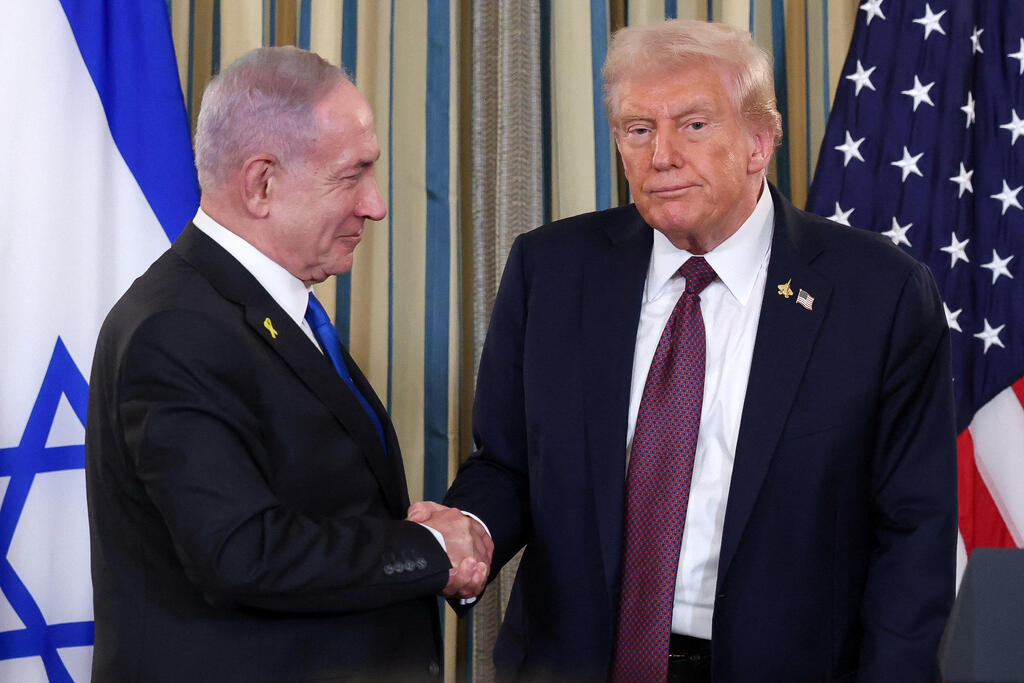

Former U.S. Ambassador to Japan and longtime Democratic leader Rahm Emanuel has delivered one of the strongest public criticisms yet of Israeli Prime Minister Benjamin Netanyahu, signaling a major shift in the political conversation surrounding U.S.-Israel relations. Speaking in Tel Aviv, Emanuel argued that Israel’s current leadership is placing its historic alliance with the United States at risk, reflecting growing dissatisfaction among many Democratic voters and policymakers.
The speech comes at a pivotal moment as American politics increasingly debates the future of support for Israel amid the ongoing conflict in Gaza. Emanuel’s remarks are widely viewed as more than foreign policy commentary—they also offer insight into the Democratic Party’s evolving approach ahead of future national elections.
Rahm Emanuel Delivers a Sharp Warning in Tel Aviv
Addressing an audience at Tel Aviv University, Emanuel said the U.S.-Israel relationship has reached a critical crossroads. While emphasizing his long history of supporting Israel, he argued that unconditional American backing cannot continue if Israeli leadership ignores international concerns and domestic political realities.
According to excerpts released before the speech, Emanuel warned that the United States “cannot continue to finance and support that cynicism in silence,” urging Israel to pursue a sustainable path toward peace, regional stability, and long-term security.
His remarks represent one of the strongest critiques of Netanyahu from a senior Democratic figure traditionally regarded as firmly pro-Israel.
Why Emanuel’s Speech Matters
Rahm Emanuel is not viewed as a fringe voice within Democratic politics. He previously served as:
- White House Chief of Staff under President Barack Obama
- Mayor of Chicago
- U.S. Ambassador to Japan
Because of his long-standing reputation as a supporter of Israel, his criticism carries significant political weight.
Rather than questioning Israel’s right to defend itself, Emanuel focused his criticism on Netanyahu’s leadership, arguing that current policies risk isolating Israel internationally while weakening bipartisan support in Washington.
Democratic Attitudes Toward Israel Are Changing
For decades, strong support for Israel united both major American political parties. However, the political landscape has shifted dramatically in recent years.
Several factors have contributed to this change:
- The prolonged war in Gaza
- Rising humanitarian concerns
- Increased activism among younger Democratic voters
- Growing calls for conditioning U.S. military assistance
- Greater attention to Palestinian rights
Recent polling indicates that many Democratic voters now believe the United States is too supportive of Israel’s current government, while younger Americans express significantly more sympathy toward Palestinians than previous generations.
These changing attitudes are increasingly influencing Democratic politicians preparing for future national campaigns.
Emanuel Separates Support for Israel from Support for Netanyahu
One of the central themes of Emanuel’s speech is the distinction between supporting Israel as a nation and supporting Netanyahu’s government.
He argued that criticizing Israeli leadership should not automatically be interpreted as opposition to Israel itself.
Instead, Emanuel suggested that preserving the long-term alliance between Washington and Jerusalem requires honest conversations about policies that may damage both countries’ interests.
This distinction has become increasingly common among Democratic leaders attempting to balance support for Israel’s security with criticism of its current government’s handling of the Gaza conflict.
Netanyahu Faces Growing International Pressure
Prime Minister Benjamin Netanyahu continues to face mounting criticism from multiple directions.
International organizations, several European governments, and many Democratic lawmakers have raised concerns over:
- Civilian casualties in Gaza
- Humanitarian conditions
- Settlement expansion
- Long-term peace negotiations
At the same time, Netanyahu maintains strong backing from many Republicans in the United States, creating an increasingly partisan divide over Israel policy.
U.S.-Israel Relations Enter a New Political Era
Historically, support for Israel was one of the few issues that enjoyed broad bipartisan agreement in Washington.
That consensus is now showing visible cracks.
While Republicans largely continue backing Netanyahu’s government, Democratic leaders increasingly argue that American military and diplomatic support should include expectations regarding humanitarian standards and progress toward peace.
Emanuel’s speech highlights this broader evolution rather than representing an isolated opinion.
What This Means for Future Elections
Political analysts believe Israel policy could become a more prominent issue in Democratic presidential politics.
Potential candidates may increasingly be expected to explain:
- Their position on military aid
- Their approach toward Gaza
- Their views on Netanyahu
- Their vision for Israeli-Palestinian peace
Emanuel’s willingness to publicly criticize Netanyahu from Tel Aviv itself demonstrates how dramatically the political conversation has evolved.
Although support for Israel remains significant across much of American politics, debates now focus more heavily on the policies of Israel’s current government than in previous decades.
Reactions Across the Political Spectrum
Emanuel’s remarks have generated mixed reactions.
Supporters argue:
- Honest criticism strengthens alliances.
- Friends should speak candidly during difficult moments.
- Long-term peace requires political change.
- Democratic leaders must reflect changing voter attitudes.
Critics counter:
- Public criticism could weaken Israel during wartime.
- The speech may embolden Israel’s adversaries.
- American politicians should avoid intervening in Israeli domestic politics.
These competing perspectives reflect the increasingly polarized debate surrounding U.S.-Israel relations.
The Broader Democratic Debate
Emanuel’s comments also reveal internal divisions within the Democratic Party.
Progressive lawmakers have advocated stronger conditions on military assistance to Israel, while moderates generally support maintaining the alliance but with increased diplomatic pressure.
Emanuel appears to occupy a middle position—remaining firmly supportive of Israel while arguing that Netanyahu’s leadership threatens the country’s long-term relationship with its closest ally.
That message may resonate with Democratic voters seeking a balanced approach.
Looking Ahead
Whether Emanuel ultimately seeks higher office or simply influences Democratic foreign policy, his Tel Aviv speech marks an important political moment.
It reflects broader changes in American public opinion, especially among younger voters, while underscoring growing concern over the future of U.S.-Israel relations.
As debates over Gaza, regional security, and diplomacy continue, policymakers on both sides of the Atlantic will likely face increasing pressure to redefine one of America’s most important international partnerships.
The coming months may determine whether bipartisan support for Israel can be preserved—or whether it becomes another deeply partisan issue in American politics.
Also Read: Bernie Sanders Explains Why He Had to Run as Democratic Party Still Isn’t Listening — Explore how Sanders believes the Democratic Party is struggling to respond to shifting voter priorities, a debate that also shapes evolving U.S. foreign policy discussions and attitudes toward Israel.