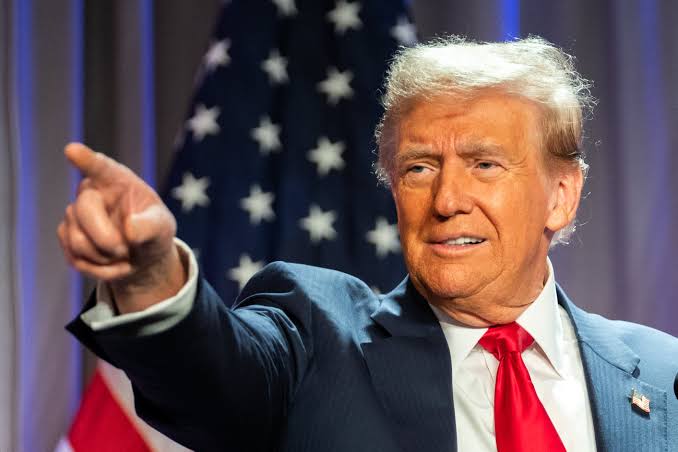
The Trump administration’s relationship with the American energy sector has once again become a major topic of political discussion following reports surrounding a Department of Justice (DOJ) inquiry involving the oil industry. The issue has generated debate among lawmakers, industry leaders, environmental groups, and voters as questions emerge about federal oversight, energy independence, and political influence in regulatory decisions.
The Trump DOJ oil industry inquiry comes at a time when several other major political and legal developments are shaping the national conversation. Headlines ranging from Trump cancels signing of housing bill to a federal judge bars Trump from implementing proof of citizenship requirement to vote have placed the administration’s policies under intense scrutiny.
As the 2026 election cycle continues to evolve, the oil industry inquiry could have implications not only for energy markets but also for public trust in government institutions and future policy decisions.
Understanding the Trump DOJ Oil Industry Inquiry
The Department of Justice plays a critical role in enforcing federal laws, investigating potential violations, and ensuring fair competition across industries. Reports concerning a DOJ inquiry into the oil industry have sparked interest because the energy sector remains one of the most influential parts of the U.S. economy.
Supporters of increased scrutiny argue that federal agencies must ensure compliance with antitrust laws, environmental regulations, and consumer protection standards. Meanwhile, critics contend that excessive government intervention could discourage investment and reduce domestic energy production.
The inquiry reflects broader debates about how much oversight should be applied to large corporations and whether federal regulators should take a more active role in monitoring industries that significantly impact national economic performance.
Why the Oil Industry Matters to the U.S. Economy
The United States remains one of the world’s largest producers of oil and natural gas. Domestic energy production supports millions of jobs and contributes substantially to economic growth.
Key benefits of a strong energy sector include:
- Job creation across multiple industries
- Lower energy costs for consumers
- Reduced dependence on foreign energy sources
- Increased government tax revenues
- Greater national energy security
Because of these factors, any DOJ investigation or inquiry involving oil companies attracts significant public attention. Investors, policymakers, and consumers closely monitor developments that could affect production, pricing, and future regulatory frameworks.
Trump’s Energy Policy Approach
Throughout his political career, Donald Trump has generally advocated for expanded domestic energy production. His policy positions have often emphasized reducing regulatory burdens, encouraging drilling projects, and increasing American energy independence.
Supporters argue that these policies help strengthen economic growth and lower consumer energy costs. They believe domestic production can shield Americans from global supply disruptions and geopolitical instability.
Opponents, however, argue that environmental concerns should play a larger role in policymaking. They contend that federal agencies must balance economic benefits with climate-related considerations and long-term sustainability goals.
The DOJ inquiry has therefore become part of a larger discussion about how government should regulate powerful industries while maintaining economic competitiveness.
Political Impact Ahead of Future Elections
Political analysts suggest that energy policy will remain a major campaign issue in upcoming elections. Fuel prices, inflation concerns, and economic growth continue to influence voter priorities.
The Trump DOJ oil industry inquiry may become a talking point for both supporters and critics of the administration’s broader agenda.
Republican leaders often emphasize energy independence and reduced regulatory barriers. Democratic lawmakers frequently advocate stronger oversight and environmental protections.
As a result, developments related to the inquiry could influence campaign messaging and policy debates throughout the election season.
Connection to Other Trump Administration Controversies
The oil industry inquiry is not occurring in isolation. Several other significant legal and political developments have generated headlines in recent months.
One notable story involved reports that Trump cancels signing of housing bill, prompting discussions about federal housing policy and legislative priorities. The decision generated questions about negotiations between lawmakers and the White House and how future housing reforms might proceed.
At the same time, election-related legal disputes have continued to attract national attention. A federal judge bars Trump from implementing proof of citizenship requirement to vote, a ruling that sparked debate over election security and voter access.
Supporters of the citizenship requirement argued that it would strengthen confidence in election integrity. Critics maintained that such measures could create barriers for eligible voters and complicate voter registration processes.
Together, these developments demonstrate how legal battles, administrative decisions, and regulatory investigations are shaping the broader political landscape.
Legal Questions Raised by the Inquiry
Legal experts note that DOJ inquiries can vary significantly in scope and purpose. Some inquiries are preliminary fact-finding efforts, while others may lead to more extensive investigations.
Potential areas of examination could include:
- Antitrust compliance
- Market competition concerns
- Consumer protection issues
- Regulatory compliance matters
- Industry business practices
Importantly, an inquiry does not necessarily imply wrongdoing. Federal agencies routinely gather information to evaluate whether additional action is warranted.
Because details often emerge gradually, observers typically wait for official statements and documented findings before drawing conclusions.
Industry Response
Representatives from the energy sector have generally emphasized the importance of regulatory certainty. Businesses often argue that predictable rules help companies make long-term investment decisions involving infrastructure, exploration, and workforce development.
Industry leaders frequently warn that prolonged uncertainty can affect investment planning and potentially influence energy production levels.
Environmental organizations, meanwhile, argue that rigorous oversight is essential to ensure accountability and protect public interests.
These competing perspectives highlight the challenges policymakers face when balancing economic growth, environmental objectives, and regulatory enforcement.
What Voters Are Watching
For many Americans, the practical impact of energy policy matters more than political rhetoric. Voters often evaluate government performance based on factors such as:
- Gasoline prices
- Household energy costs
- Employment opportunities
- Economic growth
- Inflation trends
As election campaigns intensify, both parties are expected to highlight their approaches to energy regulation and economic management.
The outcome of the Trump DOJ oil industry inquiry could therefore influence public perceptions regarding government oversight, corporate accountability, and energy policy effectiveness.
Conclusion
The Trump DOJ oil industry inquiry represents another significant chapter in the ongoing debate over energy regulation, economic growth, and federal oversight. While details continue to develop, the issue underscores the central role the energy sector plays in American politics and the economy.
At the same time, related controversies—including reports that Trump cancels signing of housing bill and the legal battle in which a federal judge bars Trump from implementing proof of citizenship requirement to vote—illustrate the wide range of policy disputes shaping the national conversation.
As voters, lawmakers, and industry leaders assess these developments, the intersection of energy policy, legal challenges, and electoral politics will likely remain a defining feature of the U.S. political landscape in the months ahead.