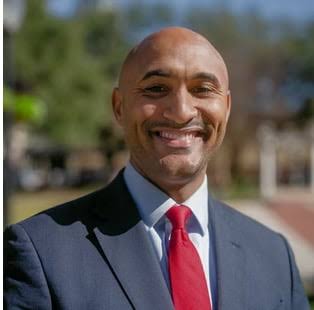
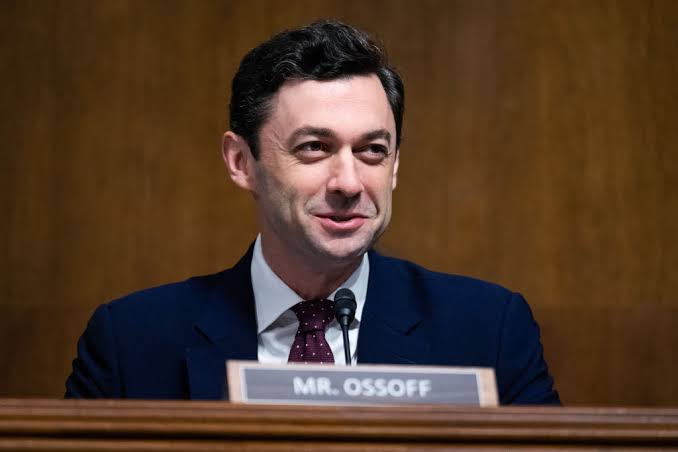
The who is running against Jon Ossoff in 2026 question has become one of the biggest political topics ahead of the midterm elections. Georgia’s U.S. Senate race is expected to be a major battleground as Republicans attempt to win back the seat currently held by Democratic Senator Jon Ossoff.
Ossoff, who won his Senate seat in the 2021 Georgia runoff election, is seeking another term in 2026. While Democrats have largely cleared the path for his reelection campaign, Republicans have built a competitive field of challengers hoping to defeat him in a state that has become increasingly important in national politics.
Jon Ossoff’s 2026 Senate Reelection Campaign
Jon Ossoff entered the Senate in 2021 after defeating Republican incumbent David Perdue in a historic runoff election. His victory, along with Senator Raphael Warnock’s win, helped Democrats gain control of the U.S. Senate at the time.
In 2026, Ossoff is running for a second term and is expected to make the race about issues such as healthcare costs, economic concerns, democracy, and his opposition to Republican policies. Recent reports indicate that Ossoff has increased his attacks against former President Donald Trump and Republican leaders as he prepares for a difficult reelection battle.
Georgia remains a crucial swing state. Although Republicans have historically dominated statewide politics, Democrats have gained strength in recent years, making every Senate election highly competitive.
Who Is Running Against Jon Ossoff in 2026?
The Republican primary attracted several candidates hoping to become the challenger against Ossoff. The main contenders included:
Mike Collins: Republican Front-Runner Against Ossoff
Mike Collins emerged as the Republican nominee after winning the GOP Senate primary runoff. Collins, a U.S. representative from Georgia’s 10th Congressional District, is now set to face Jon Ossoff in the general election.
Collins has positioned himself as a conservative candidate focused on issues such as border security, government spending, and support for former President Donald Trump’s agenda. His campaign aims to convince Georgia voters that Republicans need stronger representation in the Senate.
The Republican Party sees Collins as a potential challenger who can compete statewide because of his conservative voting record and support among GOP voters.
Derek Dooley: Former Football Coach and Republican Challenger
Derek Dooley was another major Republican candidate in the race. Dooley, known for his career in college football, entered politics as an outsider candidate hoping to attract voters looking for a fresh alternative.
He advanced to the Republican runoff but ultimately lost to Mike Collins. During his campaign, Dooley emphasized leadership, government reform, and conservative values.
Although he is no longer the Republican nominee, his campaign showed the diversity of candidates seeking to challenge Ossoff.
Buddy Carter: Experienced Republican Lawmaker
Buddy Carter also entered the Republican Senate race. Carter represents Georgia’s 1st Congressional District and has served in Congress since 2015.
Carter highlighted his legislative experience and conservative priorities during his campaign. However, he did not advance to the final Republican matchup.
His participation demonstrated the Republican Party’s strong interest in defeating Ossoff and reclaiming the Georgia Senate seat.
Other Candidates Who Entered the Race
The Republican field also included other candidates such as former military leader Jonathan McColumn and businessman John Coyne. Independent candidates also filed to run, adding additional names to the overall election landscape.
However, the main general election contest is expected to center on Jon Ossoff versus Mike Collins.
Why the 2026 Georgia Senate Race Matters
The Jon Ossoff Senate race 2026 is considered one of the most important contests of the midterm elections because Georgia could help determine control of the U.S. Senate.
For Democrats, protecting Ossoff’s seat is essential because Georgia represents one of their strongest opportunities to maintain Senate influence in a competitive political environment.
For Republicans, defeating Ossoff would represent a major victory and demonstrate continued conservative strength in a state that has shifted politically over the last decade.
Key Issues Likely to Shape the Election
Several major issues are expected to influence Georgia voters in 2026:
Economy and Inflation
Economic concerns are likely to be central. Candidates from both parties are expected to focus on inflation, wages, jobs, and the cost of living.
Healthcare
Healthcare access and affordability remain important issues for Georgia voters. Both parties are expected to present different approaches to lowering costs.
Immigration and Border Security
Republicans are likely to emphasize immigration policy, while Democrats may focus on comprehensive reform and economic contributions of immigrants.
Trump’s Influence
Former President Donald Trump’s influence remains a major factor in Republican politics. The Georgia Senate race will test whether Trump-aligned candidates can succeed in a competitive statewide election.
Can Jon Ossoff Win Reelection?
Ossoff enters the race with several advantages, including strong fundraising ability and statewide name recognition. Reports indicate his campaign has built a significant financial advantage heading into the election.
However, Georgia remains politically competitive. Republicans believe the state’s conservative history gives them an opportunity to defeat Ossoff, especially during a midterm election where the party in power often faces voter backlash.
The outcome will likely depend on voter turnout, suburban voters around Atlanta, independent voters, and national political trends.
Final Thoughts
The answer to who is running against Jon Ossoff in 2026 is now clear: Republican Congressman Mike Collins is the leading challenger in what is expected to be one of America’s most closely watched Senate races. (CBS News)
With Georgia playing a key role in determining Senate control, the Ossoff versus Collins matchup will attract national attention throughout the 2026 election cycle. The race will likely become a major test of Democratic strength in the South and Republican efforts to expand their influence in battleground states.
Read our full analysis of Starmer Resigns, Burnham Becomes PM, and discover how this major Labour leadership change could reshape British politics in the months ahead.