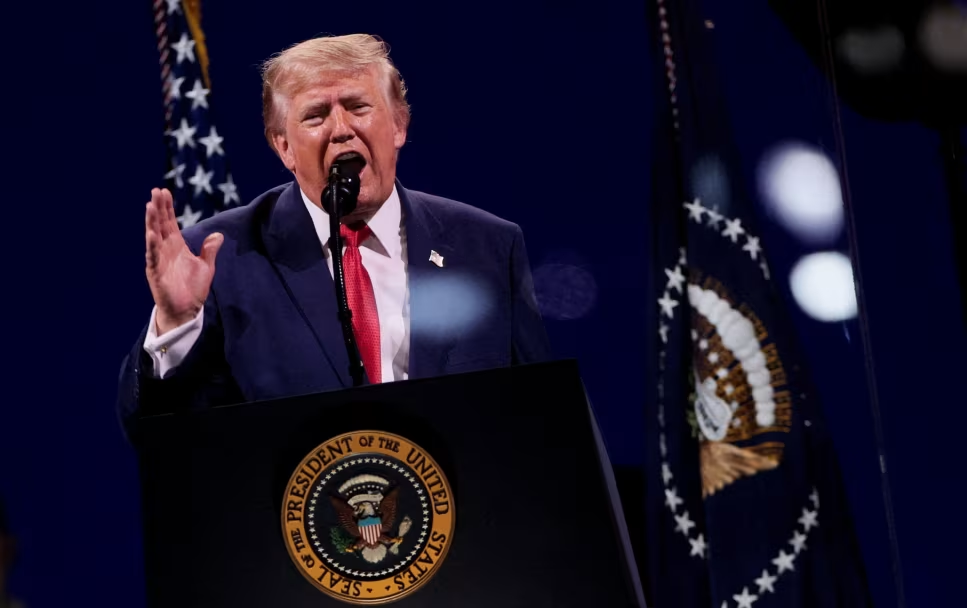
President Donald Trump’s planned primetime address on election security has reignited one of the most divisive political issues in modern American history. Scheduled to air from the White House just months before the 2026 midterm elections, the speech is expected to focus on voting systems, election integrity, and renewed scrutiny of the 2020 presidential election—despite years of court rulings, audits, and official reviews that found no evidence of widespread fraud capable of changing the election outcome.
The decision to dedicate a nationally televised address to election issues has reportedly triggered internal debate within the White House. Some advisers reportedly believe the speech could energize Trump’s political base and strengthen Republican messaging on election security. Others worry that revisiting the disputed 2020 election could distract from economic priorities and dominate headlines ahead of the crucial midterm campaign.
As anticipation builds, political observers say the address could become one of the most consequential speeches of Trump’s second presidency.
Why the Speech Is Drawing National Attention
The White House has described the address as a major announcement on “free and fair elections,” although officials have offered few specifics about what the president intends to reveal. Trump himself has suggested the speech will include significant information regarding election security and voting systems.
Administration officials have also hinted that the president may discuss intelligence related to alleged foreign attempts to influence the 2020 election. However, multiple reports indicate that officials have not presented evidence showing foreign actors successfully altered vote totals.
The uncertainty surrounding the speech has fueled intense speculation among lawmakers, election experts, and media organizations.
White House Advisers Divided Over Strategy
According to multiple reports, Trump’s advisers are not unified about the wisdom of revisiting 2020.
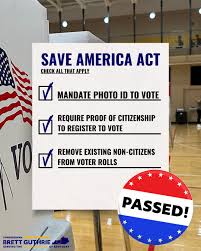
Some advisers reportedly argue that highlighting election integrity aligns with Republican legislative priorities, including support for stricter voter identification requirements and proof-of-citizenship measures. They believe the issue remains highly motivating for many Republican voters ahead of November’s midterm elections.
Others inside the administration reportedly fear the speech could overshadow policy achievements on the economy, immigration, and foreign affairs. Those advisers worry another national debate over the 2020 election may reinforce criticism that the administration remains focused on past grievances instead of current governance.
The differing viewpoints illustrate broader tensions over political messaging during a critical election year.
Trump Continues Focus on the 2020 Election
Trump has consistently maintained that the 2020 election was unfair, despite numerous court decisions, state audits, recounts, and reviews by election officials rejecting claims that widespread fraud changed the election’s outcome.
Election officials from both political parties certified Joe Biden’s victory following the 2020 election, and dozens of legal challenges failed to overturn the certified results.
Nevertheless, Trump has repeatedly argued that voting procedures require major reforms and has continued calling for stronger federal election safeguards.
Supporters say these reforms are necessary to restore public confidence in elections, while critics argue the continued focus risks undermining trust in democratic institutions.
Election Security Remains a Central Republican Issue
Republicans have increasingly made election security a central campaign issue ahead of the 2026 midterms.
Among the proposals receiving attention are:
- Expanded voter identification requirements
- Proof-of-citizenship verification for voter registration
- Increased federal oversight of election administration
- Tougher standards for mail-in voting
- Enhanced voting machine security measures
Supporters argue these measures improve election integrity and increase voter confidence.
Opponents contend that some proposals could create unnecessary barriers for eligible voters and note that existing safeguards already protect election accuracy.
The debate is expected to feature prominently during the coming congressional campaigns.
Democrats Criticize the Planned Address
Democratic lawmakers have sharply criticized Trump’s decision to devote a national address to election issues.
Several Democrats argue the speech could revive previously rejected allegations regarding the 2020 election and potentially weaken public confidence ahead of the 2026 vote.
Election experts have similarly emphasized that repeated public allegations should be supported by verifiable evidence and judicial review before being accepted as fact.
The White House has rejected criticism, maintaining that discussing election security remains an appropriate subject for presidential attention.
Television Networks Face Difficult Decisions
Trump’s address has also placed major television networks in a challenging editorial position.
Because the speech is expected to include discussion of election issues—and potentially disputed claims regarding 2020—news organizations have reportedly debated whether to air the address live without interruption.
Media executives must balance the public interest in broadcasting a presidential address with concerns about airing claims that may require immediate fact-checking or additional context. (Axios)
This debate mirrors similar newsroom decisions made during and after the 2020 election.
Possible Policy Announcements
Although the White House has not released the speech’s full contents, analysts expect Trump to discuss several election-related policy proposals.
Potential topics include:
- National election security standards
- Federal voter registration reforms
- Citizenship verification requirements
- Voting machine security
- Election administration oversight
- Additional investigations into election security
Whether new executive actions or legislative proposals will accompany the speech remains unclear. (Reuters)
Political Impact Ahead of the Midterms
The timing of Trump’s speech is especially significant because Republicans are preparing for competitive congressional races later this year.
Political strategists believe the address could shape campaign messaging across dozens of House and Senate contests.
If the speech energizes Republican turnout, it could strengthen GOP candidates in closely contested districts. Conversely, Democrats may use the renewed attention on 2020 to argue that Republicans remain focused on relitigating past elections instead of addressing current policy challenges.
Independent voters will likely play a decisive role in determining which narrative resonates more strongly.
Looking Ahead
Trump’s primetime election speech is poised to become one of the defining political events of the 2026 campaign season. Whether it introduces new policy initiatives, intelligence disclosures, or renewed arguments about election integrity, it is almost certain to dominate political discussion in Washington and across the country.
The internal White House debate reflects the broader national divide over election security and the continuing political significance of the 2020 presidential election. As Americans prepare for another consequential election cycle, the president’s remarks are expected to influence campaign messaging, legislative priorities, and public debate for months to come.
For more on the administration’s messaging before the president’s address, read our detailed coverage of Karoline Leavitt Defends Trump’s 2020 Election Claims Ahead of Primetime White House Address, where the White House press secretary explains the administration’s stance on election integrity and the president’s upcoming speech.