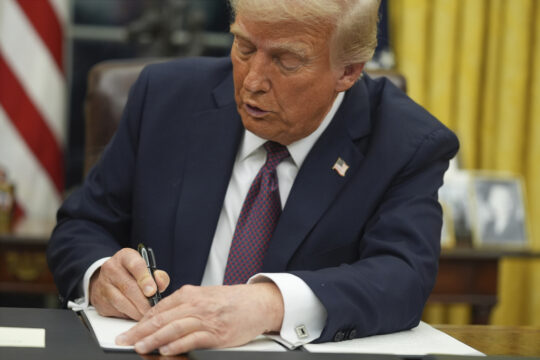

The phrase Trump impeachment after election claims has once again become a major topic in American politics. As the 2026 midterm election season gains momentum, lawmakers, political commentators, and voters are debating whether former and current actions related to election integrity, executive authority, and constitutional responsibilities could lead to another impeachment effort against President Donald Trump.
Although impeachment discussions have become a recurring feature of modern U.S. politics, any new effort would face significant legal and political hurdles. The Constitution establishes a clear process, but whether the evidence meets the constitutional standard remains the central question.
This article explains why impeachment is being discussed again, what election claims are at the center of the debate, how the constitutional process works, and what the political consequences could be.
Why Trump Impeachment After Election Claims Is Trending
The renewed attention stems from continuing disputes over election administration, voting procedures, and allegations involving federal agencies’ roles in protecting election security. Critics argue that recent statements and actions concerning elections deserve congressional scrutiny, while supporters say the impeachment discussions are politically motivated and lack constitutional justification.
Several members of Congress have suggested investigations into executive actions related to elections. Others have called for oversight hearings before considering any impeachment resolution.
As a result, searches for Trump impeachment after election claims have increased as Americans seek clarity on what is actually happening.
Understanding the Constitutional Impeachment Process
The U.S. Constitution gives Congress the authority to impeach and remove federal officials, including the president.
The impeachment process includes two major steps:
- The House of Representatives investigates allegations.
- If a majority of House members approve articles of impeachment, the president is impeached.
- The Senate then conducts a trial.
- Removal from office requires a two-thirds vote in the Senate.
Importantly, impeachment is not the same as removal. A president can be impeached by the House but remain in office if the Senate does not vote to convict.
This constitutional framework makes impeachment both a legal and political process.
What Election Claims Are Being Discussed?
Recent debates involve several broad categories of election-related issues:
Election Security
Some lawmakers have questioned federal decisions involving election security guidance, cybersecurity coordination, and communication between agencies and state election officials.
Supporters argue these actions were necessary to protect elections, while critics believe Congress should investigate whether executive authority was exceeded.
Voting Procedures
Disagreements over voter registration policies, mail voting, and election administration continue to divide lawmakers.
Some proposals have focused on strengthening identification requirements, while opponents argue certain measures could affect voter access.
Federal Agency Oversight
Congressional committees have also examined how federal agencies interacted with state officials regarding election-related matters.
Whether these issues amount to constitutional misconduct remains a matter of political disagreement.
Arguments From Supporters of Impeachment
Those supporting further investigations generally argue that:
- Congress has a constitutional duty to oversee executive actions.
- Any misuse of presidential authority should receive full scrutiny.
- Election-related decisions deserve maximum transparency.
- Public confidence in elections depends on accountability.
Supporters emphasize that investigations do not automatically mean impeachment but can determine whether constitutional standards have been violated.
Arguments From Trump’s Supporters
President Trump’s allies reject renewed impeachment discussions.
They argue:
- No evidence demonstrates impeachable conduct.
- Election-related decisions fall within executive responsibilities.
- Congress should focus on legislative priorities rather than political investigations.
- Repeated impeachment efforts create unnecessary political division.
Many Republicans also argue that voters—not Congress—should ultimately decide political disputes during elections.
Historical Context
Donald Trump has already made history by becoming the first U.S. president to be impeached twice.
The two previous impeachments involved different circumstances than today’s election-related debates.
In both cases:
- The House approved articles of impeachment.
- The Senate ultimately voted against conviction.
- Trump remained eligible to continue his political career.
These earlier proceedings continue to shape public opinion whenever new impeachment discussions emerge.
Can Election Claims Alone Lead to Impeachment?
Constitutional scholars generally note that impeachment requires more than political disagreement.
The Constitution refers to:
- Treason
- Bribery
- Other high crimes and misdemeanors
Because these terms are not precisely defined, Congress determines whether specific conduct reaches that threshold.
This means impeachment decisions often involve legal interpretation alongside political judgment.
Simply making controversial statements about elections would not automatically satisfy constitutional requirements.
The Political Impact Ahead of the 2026 Midterms
Even if impeachment articles are introduced, the broader political consequences could be significant.
Possible effects include:
Increased Voter Mobilization
Both Republican and Democratic voters often become more politically active during high-profile constitutional disputes.
Congressional Campaign Messaging
Candidates may use impeachment debates to define their campaigns around accountability, constitutional government, or political overreach.
Media Attention
National media coverage could keep impeachment discussions prominent throughout the election cycle, influencing public opinion.
Fundraising
Major political controversies frequently lead to increased campaign fundraising for both parties.
What Happens Next?
Several scenarios remain possible.
Congress could:
- Launch oversight investigations.
- Hold committee hearings.
- Request testimony from administration officials.
- Decide no impeachment action is warranted.
- Introduce articles of impeachment.
Any formal impeachment effort would still require majority approval in the House before moving to the Senate.
Given current political divisions, the outcome would largely depend on congressional support rather than public speculation alone.
Public Opinion Remains Divided
Polling over recent years has consistently shown deep partisan divisions regarding Donald Trump.
Republican voters generally oppose additional impeachment efforts, viewing them as politically motivated.
Democratic voters are more likely to support investigations if evidence suggests misconduct.
Independent voters often place greater emphasis on the facts presented during congressional investigations rather than party positions.
Because of these divisions, any impeachment debate is likely to become one of the defining political stories leading into the 2026 elections.
Legal Experts Urge Evidence-Based Decisions
Many constitutional law experts stress that impeachment should remain grounded in evidence rather than political disagreements.
Congressional investigations typically seek documents, witness testimony, and legal analysis before determining whether articles of impeachment are appropriate.
Regardless of political affiliation, legal scholars generally agree that the constitutional process must be followed carefully to preserve public confidence in American democratic institutions.
Conclusion
The debate surrounding Trump impeachment after election claims reflects broader national disagreements over election administration, executive authority, and congressional oversight. While calls for investigations continue from some lawmakers, supporters of President Trump argue there is no constitutional basis for another impeachment.
Whether Congress pursues formal impeachment proceedings will depend on future investigations, available evidence, and political support within the House of Representatives. For now, the issue remains an important part of the national political conversation as the United States approaches another highly competitive election cycle.
As events continue to unfold, Americans can expect continued debate over constitutional accountability, election integrity, and the balance of powers that define the U.S. political system.
For more international affairs coverage, read our detailed report on Lebanon and Israel Move Closer to Implementing Withdrawal Agreement, US Officials Say, which explains the latest U.S.-backed negotiations, military withdrawal plans, and the potential impact on regional stability in the Middle East.