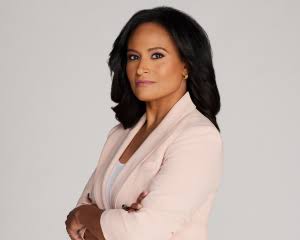
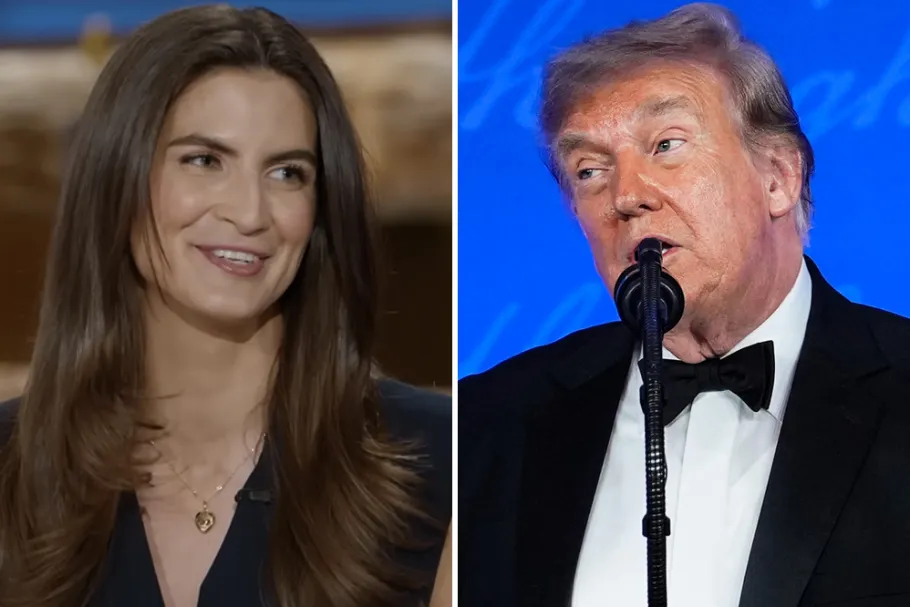
The CNN Kaitlan Collins Trump dispute has become one of the most closely watched examples of the ongoing tension between former President Donald Trump and major news organizations. Over the years, Collins has frequently questioned Trump on issues ranging from elections and legal investigations to foreign policy and campaign promises. Their exchanges have often turned into headline-making moments, fueling debates about press freedom, political accountability, and the relationship between politicians and the media.
As the 2026 election cycle gains momentum, renewed attention on the CNN Kaitlan Collins Trump dispute reflects the broader conflict between Trump’s supporters and mainstream media outlets. Every press conference, interview, or televised event involving the two generates significant public discussion across television, online news platforms, and social media.
This article explains the origins of the dispute, the latest developments, why the issue remains politically important, and what it means for journalism and American politics.
Who Is Kaitlan Collins?
Kaitlan Collins is one of CNN’s most recognizable political journalists. After covering the Trump administration during his presidency, she became known for asking direct and persistent questions during White House press briefings and campaign events.
Her reporting style emphasizes accountability and fact-based questioning, earning praise from many journalism organizations while also making her a frequent target of criticism from Trump and his allies.
Today, Collins hosts major political coverage on CNN and regularly interviews influential political figures from both parties.
How the CNN Kaitlan Collins Trump Dispute Began
The dispute dates back to Trump’s first administration when Collins repeatedly questioned White House officials about controversial policies and political decisions.
Several high-profile moments helped shape the public perception of their contentious relationship:
- Tough questioning during White House press briefings.
- Disagreements over election-related claims.
- Exchanges regarding legal investigations involving Trump.
- Heated interviews discussing domestic and foreign policy.
- Public criticism from Trump directed toward CNN and Collins personally.
Each incident reinforced Trump’s long-standing criticism of mainstream media while highlighting Collins’ reputation for asking challenging questions.
Trump’s Criticism of CNN
Donald Trump has consistently argued that CNN presents unfair coverage of his political activities.
Throughout multiple campaigns, Trump has accused CNN of:
- Political bias
- Selective reporting
- Misrepresenting his statements
- Promoting negative narratives
During rallies, interviews, and social media posts, Trump has frequently singled out CNN reporters, including Kaitlan Collins, as examples of what he describes as hostile journalism.
His supporters often echo these concerns, arguing that media organizations scrutinize Trump more aggressively than other political figures.
Kaitlan Collins’ Approach
Collins has maintained that journalists have a responsibility to ask direct questions regardless of the political party involved.
Her interviews generally focus on:
- Election integrity claims
- Court cases
- Government transparency
- National security
- Economic policy
- International affairs
Rather than avoiding controversial topics, Collins typically follows up when she believes questions remain unanswered.
This style has contributed to several tense on-air moments with Trump.
Memorable Exchanges
Several interviews between Collins and Trump have gone viral.
Common characteristics include:
Direct Questions
Collins frequently presses for specific answers instead of broad political messaging.
Interruptions
Trump has occasionally interrupted or challenged the wording of questions before providing responses.
Fact-Based Follow-Ups
When answers appear incomplete, Collins often asks follow-up questions seeking clarification.
Public Reactions
Supporters of both Trump and Collins frequently share clips online, creating widespread debate across social media platforms.
These exchanges often become among the most viewed political interviews of the week.
Why the Dispute Matters
The CNN Kaitlan Collins Trump dispute is about more than personal disagreements.
It reflects larger questions concerning:
Freedom of the Press
Journalists argue that elected officials should answer difficult questions from the media.
Political Messaging
Politicians increasingly communicate directly with supporters through rallies and social media, sometimes bypassing traditional news outlets.
Public Trust
Public confidence in both government institutions and media organizations remains deeply divided, making high-profile confrontations especially influential.
Election Coverage
As election campaigns intensify, interactions between candidates and journalists shape public understanding of important issues.
Public Opinion Remains Divided
Americans view the dispute differently depending on their political perspectives.
Many Trump supporters believe Collins represents media organizations that unfairly criticize conservative politicians.
Others argue that Collins is performing a fundamental journalistic role by asking questions that hold powerful leaders accountable.
Independent voters often focus less on the personalities involved and more on whether interviews produce meaningful information.
This division mirrors broader debates about media credibility in the United States.
Social Media Amplifies Every Exchange
Unlike earlier political eras, today’s interviews spread almost instantly online.
Within minutes of a televised exchange:
- Video clips appear across multiple platforms.
- Supporters share favorable moments.
- Critics post counterarguments.
- Political commentators analyze every response.
- Fact-checking organizations review major claims.
As a result, even brief interviews can dominate political conversation for several days.
The Broader Relationship Between Trump and the Media
Trump’s disputes extend beyond CNN.
Over the years, he has criticized numerous national news organizations, including newspapers, television networks, and digital media outlets.
His communication strategy often emphasizes speaking directly to voters while challenging traditional media narratives.
Supporters argue this approach exposes perceived bias.
Critics contend that attacking journalists can undermine confidence in independent reporting.
The CNN Kaitlan Collins Trump dispute therefore represents one chapter in a much broader debate over media and politics in America.
Impact on the 2026 Political Landscape
As campaigns intensify ahead of the 2026 midterm elections, media interactions are expected to play an increasingly significant role.
Candidates face greater public scrutiny through televised interviews, debates, and digital media coverage.
For Trump, confrontations with journalists often energize his political base.
For journalists such as Collins, persistent questioning reinforces the media’s watchdog role.
Future interviews between the two are likely to attract substantial national attention, particularly if major legal, electoral, or policy issues dominate the news cycle.
Journalism and Political Accountability
Political reporters serve an important democratic function by questioning public officials about their decisions.
At the same time, elected leaders often challenge media organizations they believe report unfairly.
The tension between these two roles has existed throughout American history, though today’s digital environment magnifies every confrontation.
Whether viewed as accountability journalism or political conflict, exchanges between Trump and Collins illustrate the evolving relationship between elected officials and the press.
Conclusion
The CNN Kaitlan Collins Trump dispute remains one of the most recognizable examples of the ongoing friction between Donald Trump and mainstream media. Their exchanges consistently attract national attention because they combine political debate, media scrutiny, and public accountability in highly visible settings.
As the United States moves deeper into another election cycle, these interactions will likely continue influencing political discussions, media narratives, and voter perceptions. Regardless of political affiliation, the dispute highlights the enduring importance of robust journalism, transparent leadership, and informed public debate in American democracy.
To better understand the legal and political significance of the case, check out our in-depth article, Jim Jordan Referral to Jack Smith: House Republican’s Push for Investigation Explained, where we break down the referral, the allegations involved, and what it could mean for ongoing federal investigations and the broader political landscape.