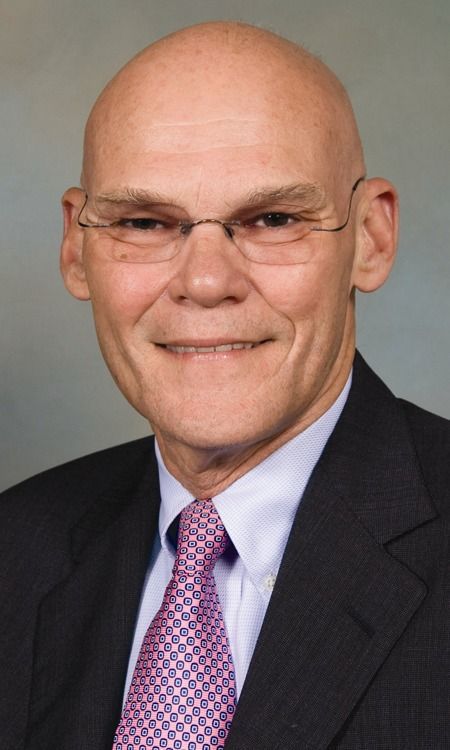
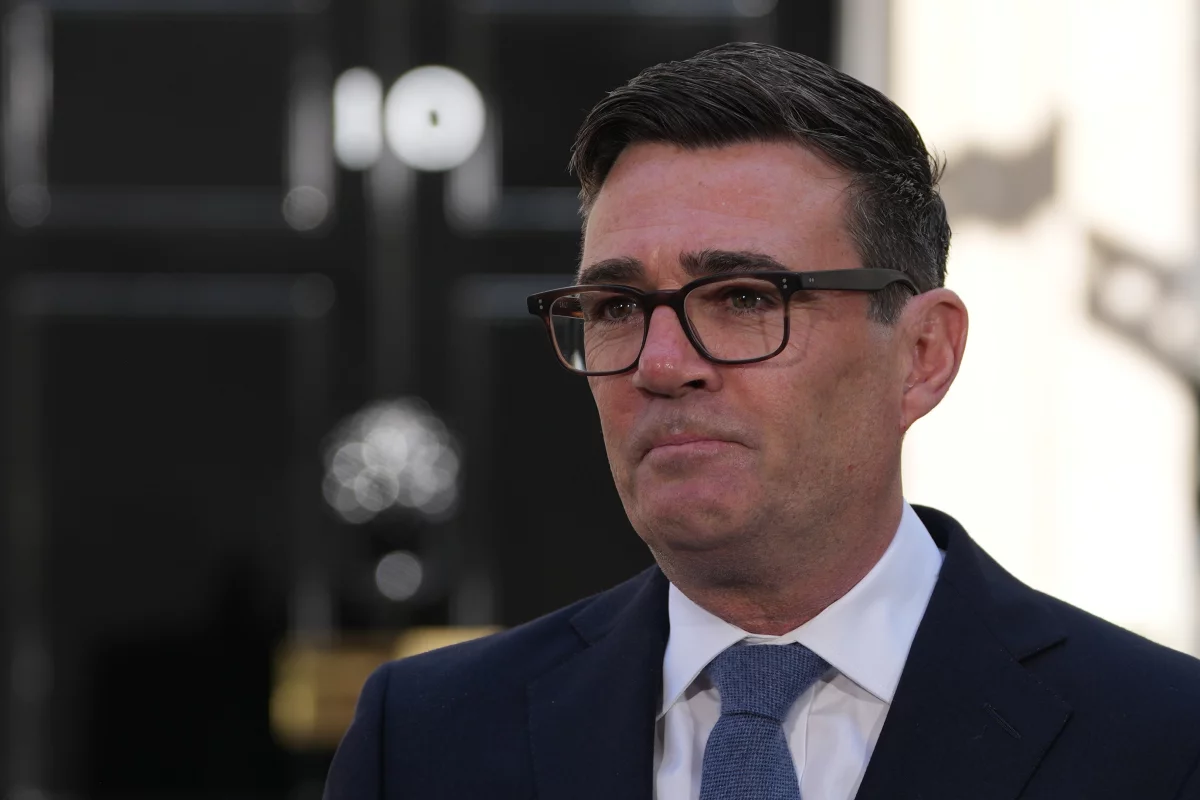
The news that Andy Burnham becomes U.K. prime minister marks one of the biggest political developments in recent British history. After years of serving as the Mayor of Greater Manchester and building a reputation as one of the Labour Party’s most influential figures, Burnham has stepped into the nation’s highest political office at a time of economic uncertainty, public service challenges, and shifting global alliances.
His appointment has sparked widespread debate across the United Kingdom and internationally. Supporters believe his experience in regional government and commitment to social justice make him well suited to lead the country, while critics question whether his policies can deliver sustainable economic growth.
This article explores how Andy Burnham became the U.K.’s prime minister, his political journey, priorities, policy agenda, challenges, and what his leadership could mean for Britain’s future.
Who Is Andy Burnham?
Andy Burnham is a senior British Labour politician with decades of experience in public service. Before becoming prime minister, he served as:
- Member of Parliament (MP)
- Secretary of State for Health
- Secretary of State for Culture, Media and Sport
- Mayor of Greater Manchester
During his time as mayor, Burnham became nationally recognized for advocating greater regional powers, improving public transportation, expanding affordable housing, and protecting local businesses during economic crises.
His pragmatic leadership style helped him gain support beyond traditional Labour voters, making him one of Britain’s most popular regional politicians.
How Andy Burnham Became U.K. Prime Minister
The announcement that Andy Burnham becomes U.K. prime minister followed significant political changes within British politics.
After Labour secured enough parliamentary support to form a government, Burnham emerged as the consensus leader capable of uniting different factions within the party.
Several factors contributed to his rise:
- Strong public approval ratings
- Experience managing Greater Manchester
- Reputation for practical policymaking
- Focus on working-class communities
- Ability to communicate across political divides
His leadership campaign emphasized rebuilding public trust while addressing the country’s most pressing economic and social concerns.
Andy Burnham’s Political Philosophy
Burnham is generally viewed as a centre-left politician who combines traditional Labour values with practical governance.
His political philosophy includes:
Strengthening Public Services
Burnham has consistently argued that investment in healthcare, education, and local government is essential for long-term economic growth.
Devolution
One of his signature policies has been transferring more decision-making powers from Westminster to regional governments.
He believes local leaders often understand community needs better than central government.
Economic Fairness
Burnham supports policies aimed at reducing inequality through:
- Better wages
- Skills training
- Infrastructure investment
- Affordable housing
- Regional economic development
Economic Priorities
As Andy Burnham becomes U.K. prime minister, economic recovery has become his immediate challenge.
His government is expected to focus on:
Creating Jobs
Investment in:
- Green industries
- Advanced manufacturing
- Technology
- Renewable energy
- Artificial intelligence
could generate thousands of new jobs across Britain.
Supporting Small Businesses
Burnham has frequently emphasized helping local businesses through:
- Easier access to finance
- Business tax reforms
- Digital transformation support
- Infrastructure improvements
Regional Investment
Unlike previous governments that concentrated investment around London, Burnham has pledged to expand funding for northern England, Scotland, Wales, and other underserved regions.
NHS Reform
Healthcare remains one of Burnham’s strongest policy interests.
Having previously served as Health Secretary, he has long advocated for strengthening the National Health Service (NHS).
Possible reforms include:
- Reducing waiting lists
- Recruiting more doctors and nurses
- Modernizing hospitals
- Improving mental health care
- Expanding digital healthcare
The NHS is expected to become one of the government’s top spending priorities.
Housing Policy
Britain continues to face a housing affordability crisis.
Burnham has proposed increasing the supply of affordable homes through:
- Public-private partnerships
- Faster planning approvals
- Local housing investment
- Regeneration of urban areas
These measures aim to make home ownership more attainable while increasing affordable rental options.
Climate Strategy
Climate action is expected to play a central role in Burnham’s administration.
His government may accelerate investment in:
- Offshore wind
- Solar energy
- Electric vehicles
- Public transport
- Carbon reduction technologies
Supporters argue these investments can simultaneously reduce emissions and create high-paying jobs.
Transport Modernization
One of Burnham’s strongest achievements as Mayor of Greater Manchester was improving public transport coordination.
As prime minister, he may seek nationwide reforms including:
- Railway modernization
- Bus service improvements
- Better regional connectivity
- Expanded cycling infrastructure
- Investment in high-speed transport
Foreign Policy Outlook
Internationally, Burnham is expected to pursue a balanced approach.
Key priorities include:
- Maintaining strong relations with European partners
- Supporting NATO commitments
- Expanding global trade
- Strengthening cooperation with the United States
- Addressing international security challenges
His administration is also expected to prioritize diplomacy while supporting democratic values abroad.
Challenges Facing the New Government
Although Andy Burnham becomes U.K. prime minister, significant challenges lie ahead.
Inflation
Families continue facing higher living costs.
Managing inflation while maintaining economic growth will require careful fiscal planning.
Public Finances
Increasing investment in healthcare and infrastructure must be balanced against national debt and budget constraints.
Housing Shortages
Demand continues to outpace supply in many parts of Britain.
Addressing this issue will require long-term planning.
NHS Pressures
The healthcare system continues to experience:
- Staff shortages
- Long waiting lists
- Rising patient demand
Delivering meaningful reform will be one of Burnham’s biggest tests.
Political Expectations
Supporters expect rapid improvements across multiple sectors.
Managing expectations while implementing gradual reforms will require effective communication and strong parliamentary leadership.
Public Reaction
The announcement that Andy Burnham becomes U.K. prime minister has generated mixed reactions.
Supporters praise:
- His experience
- Regional leadership record
- Focus on fairness
- Commitment to public services
Critics question:
- Government spending plans
- Tax policy
- Economic sustainability
Political analysts suggest Burnham’s success will depend on balancing ambitious reforms with fiscal discipline.
What This Means for Britain
Burnham’s leadership could represent a shift toward stronger regional governance and increased public investment.
If his administration succeeds, Britain may experience:
- Greater regional economic growth
- Improved public transportation
- NHS modernization
- Expanded affordable housing
- Stronger local government powers
However, delivering these goals will require cooperation between Parliament, local authorities, businesses, and public institutions.
Conclusion
The moment Andy Burnham becomes U.K. prime minister represents a significant turning point in British politics. His extensive experience in national and regional government provides a strong foundation as he takes office during a period of economic and political transition.
His agenda emphasizes stronger public services, regional development, affordable housing, NHS reform, and sustainable economic growth. While the challenges ahead are considerable—including inflation, public finances, and healthcare pressures—his leadership style and practical governing experience have generated optimism among many voters.
Whether Burnham can translate his regional success into national achievements will ultimately define his legacy as Britain’s prime minister. As his government begins implementing its agenda, both supporters and critics will closely watch how effectively he addresses the issues shaping the United Kingdom’s future.
For more insight into the political developments surrounding Nebraska’s 2026 Senate race, read our detailed coverage of Nebraska’s Democratic Senate Nominee Files to Withdraw From Race, Shaking Up the 2026 Senate Battle, which explains the reasons behind the withdrawal and its potential impact on the election landscape.