
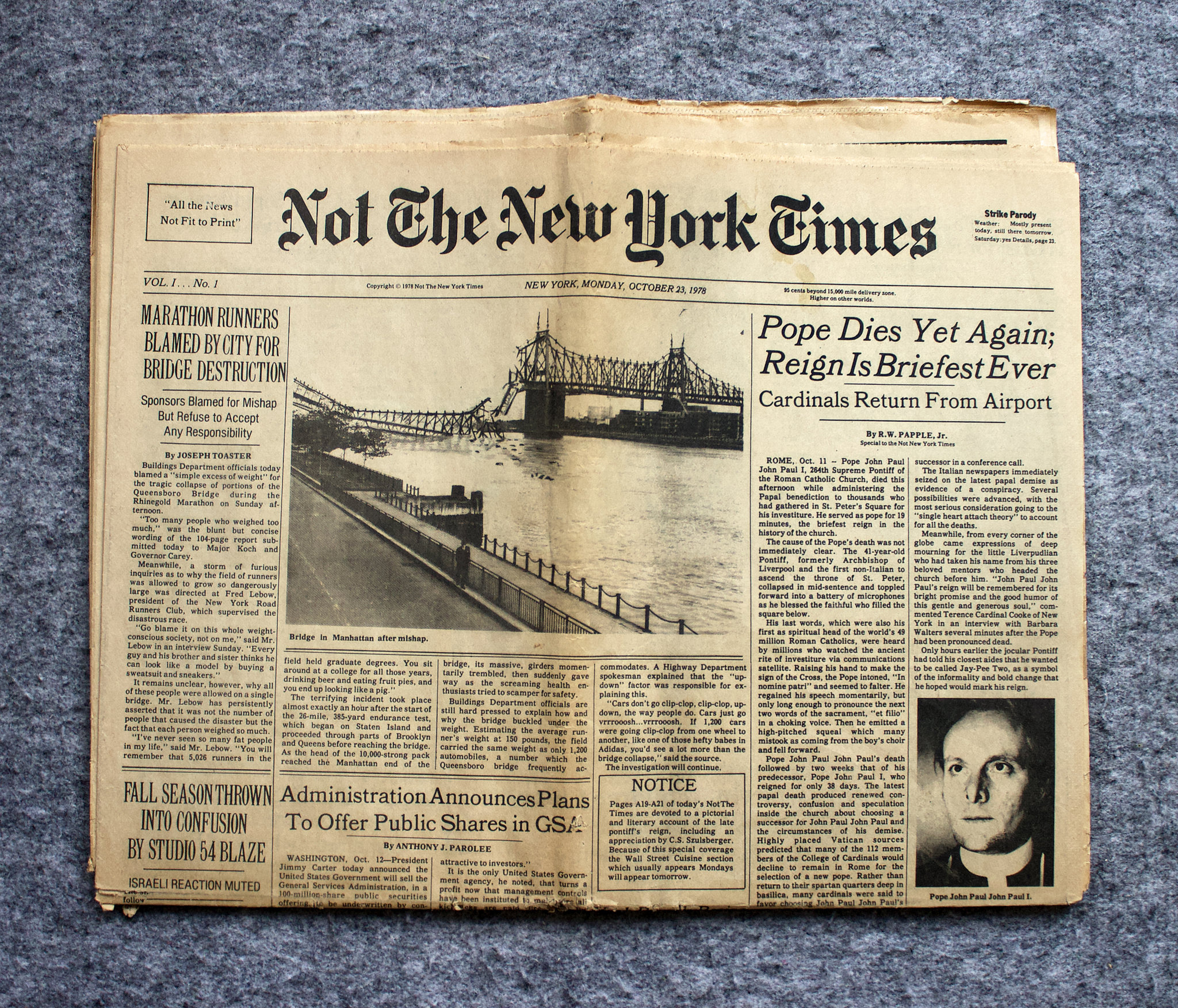
For more than 170 years, The New York Times has been one of the world’s most influential newspapers. Known for its award-winning journalism, investigative reporting, and comprehensive news coverage, the publication has successfully evolved in the digital age. Today, millions of people visit The New York Times not only to read breaking news but also to enjoy its increasingly popular collection of online games.
Two games, in particular, have become daily habits for millions of users worldwide: Wordle New York Times and The New York Times Connections. These games have transformed the company’s digital strategy, helping attract younger audiences while increasing subscriber engagement.
In this article, we’ll explore the history of The New York Times, its digital transformation, and why Wordle and Connections have become global sensations.
What Is The New York Times?
Founded in 1851, The New York Times is an American newspaper headquartered in New York City. It has earned a reputation for high-quality journalism covering politics, business, technology, sports, culture, science, and international affairs.
Over the decades, the newspaper has received numerous Pulitzer Prizes and has become one of the most respected news organizations in the world. As readers increasingly shifted online, The New York Times invested heavily in digital subscriptions, multimedia storytelling, podcasts, newsletters, cooking content, product reviews, and interactive games. These initiatives helped the company expand far beyond traditional print journalism.
The Digital Transformation of The New York Times
Like many newspapers, The New York Times faced significant challenges during the transition from print to digital media. Rather than relying solely on advertising revenue, the company introduced a digital subscription model that encouraged readers to pay for premium content.
Its strategy gradually expanded into multiple digital products, including:
- Daily news coverage
- Podcasts
- Newsletters
- Cooking recipes
- Product reviews
- Crossword puzzles
- Games
This diversified approach has helped the publication grow a large global subscriber base while reducing dependence on traditional advertising.
Wordle New York Times: The Viral Puzzle That Changed Everything
One of the biggest milestones in the company’s gaming strategy came with the acquisition of Wordle.
Originally created by software engineer Josh Wardle in 2021 as a personal project, Wordle quickly became a worldwide phenomenon. Players have six attempts to guess a five-letter word, receiving color-coded feedback after each guess.
Recognizing the game’s massive popularity, The New York Times acquired Wordle in January 2022 for a reported low seven-figure amount. Since then, the game has become a central part of the NYT Games platform while remaining free for many users.
Why Wordle New York Times Is So Popular
Several factors explain Wordle’s continued success:
- Only one puzzle is available each day.
- Every player solves the same word.
- Games usually take less than five minutes.
- Results can be shared on social media without revealing the answer.
- The puzzle encourages logical thinking and vocabulary development.
The simplicity of the format has helped Wordle maintain its popularity years after its launch.
The New York Times Connections: A New Puzzle Phenomenon
Following the success of Wordle, The New York Times expanded its gaming collection with Connections, released in 2023.
Unlike Wordle, Connections presents players with sixteen words. The objective is to organize those words into four groups of four based on hidden relationships or categories.
Although the concept sounds straightforward, the puzzle often includes misleading word associations that make it surprisingly challenging.
How The New York Times Connections Works
Each Connections puzzle contains four categories ranked by difficulty:
- Yellow – easiest
- Green – moderate
- Blue – challenging
- Purple – most difficult
Players must identify all four groups before running out of mistakes. The game rewards observation, vocabulary, pattern recognition, and creative thinking.
Why Connections Became So Popular
The New York Times Connections quickly became the second-most-played game in the NYT Games collection after Wordle.
Its appeal comes from:
- Fresh daily puzzles
- Clever wordplay
- Increasing levels of difficulty
- Social sharing
- Competitive challenge among friends
Many players now solve Wordle first before moving on to Connections as part of their daily routine.
More Than Just News
Although journalism remains its core mission, The New York Times has expanded into several lifestyle and entertainment services.
These include:
- Crossword puzzles
- Mini Crossword
- Spelling Bee
- Strands
- Letter Boxed
- Cooking
- Wirecutter product reviews
Together, these offerings encourage readers to spend more time within the NYT ecosystem and appeal to audiences with interests beyond traditional news.
The Impact of NYT Games
The success of Wordle and Connections has had a significant impact on the company’s digital business.
Millions of puzzles are solved every day, helping maintain strong user engagement and encouraging subscriptions. New features such as achievements and badges have also been introduced to reward regular players and enhance the gaming experience.
Gaming has become an important complement to the newspaper’s journalism, demonstrating how traditional media organizations can innovate while preserving their core identity.
Tips for Solving Wordle and Connections
If you’re new to NYT Games, these strategies can improve your performance:
Wordle Tips
- Start with a word containing common vowels.
- Avoid repeating letters early.
- Use feedback from each guess effectively.
- Eliminate impossible letter combinations.
Connections Tips
- Look for obvious categories first.
- Avoid assuming the first apparent connection is correct.
- Pay attention to homonyms and wordplay.
- Save difficult groups for later once easier categories are identified.
Regular practice improves recognition of common patterns and themes.
The Future of The New York Times
The New York Times continues investing in digital journalism, artificial intelligence tools, multimedia storytelling, and interactive products. Games have become one of the publication’s strongest growth areas, introducing new audiences who may later explore its journalism and other subscription services.
With Wordle, Connections, and newer additions like Strands, the company has demonstrated that newspapers can successfully evolve for modern digital audiences without abandoning their journalistic roots.
Conclusion
The New York Times remains one of the world’s leading news organizations, but its influence now extends well beyond reporting. Through the incredible success of Wordle New York Times and The New York Times Connections, it has become a leader in digital word games as well.
Whether you’re reading the latest headlines or solving your daily puzzle, The New York Times continues to combine information, entertainment, and innovation in ways few media organizations have achieved. As digital habits continue to evolve, its mix of trusted journalism and engaging interactive experiences positions it to remain a major force in global media for years to come.