The Paigelynne Gonyea DHS ICE call has become one of the most talked-about stories involving immigration enforcement, free speech, and social media in the United States. The incident centers on New York activist Paigelynne Gonyea, who says officials from the U.S. Department of Homeland Security (DHS) and Immigration and Customs Enforcement (ICE) contacted her over an Instagram post that allegedly identified an ICE agent.
The case has sparked debate over whether federal authorities crossed a line by contacting a private citizen because of online speech. Supporters argue the government’s actions were intended to protect law enforcement personnel, while critics believe the incident raises serious First Amendment concerns.
In this article, we explain what happened, why the Paigelynne Gonyea DHS ICE call is making headlines, and what it could mean for future discussions about online expression and government oversight.
Who Is Paigelynne Gonyea?
Paigelynne Gonyea is a New York-based activist known for posting about immigration issues, public policy, and government accountability on social media. She frequently comments on ICE operations and immigration enforcement, attracting a following interested in immigration rights and civil liberties.
Although she was not widely known nationally before this incident, recent events have placed her at the center of a broader national conversation about free speech and federal authority.
What Happened During the DHS ICE Call?
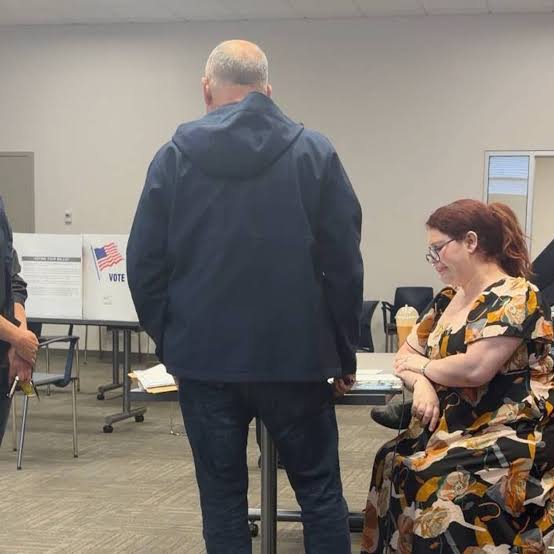
According to Gonyea’s account, two ICE agents approached her while she was serving as a poll worker at a public location in Syracuse, New York. She says the agents handed her a warning letter and informed her that a social media post was being reviewed because it allegedly violated federal law related to threats or the publication of information about a federal officer.
The post reportedly referenced an ICE agent involved in a high-profile shooting earlier in the year. Gonyea maintains that she only shared information already published in established news reports and did not reveal private information such as an address, phone number, or other identifying personal details.
She has publicly stated that she does not believe her actions amounted to “doxxing” because the information was already publicly available.
Why Is the Case Receiving So Much Attention?
The incident has attracted widespread attention because it touches on several controversial issues at once:
- Freedom of speech under the First Amendment.
- Government interaction with citizens over social media activity.
- Protection of federal law enforcement officers.
- The legal definition of doxxing.
- The balance between public accountability and personal safety.
Civil liberties advocates argue that government visits related to lawful online speech could discourage people from expressing opinions on controversial political issues.
Others believe agencies have a responsibility to respond whenever federal employees may face threats resulting from online posts.
Was the Instagram Post Illegal?
At this stage, there has been no public indication that Gonyea has been charged with a crime.
Reports indicate that officials delivered a warning rather than making an arrest or filing criminal charges. Public reporting suggests the investigation centered on whether the post could expose an ICE officer to harassment or danger.
Legal experts note that sharing publicly available information is not automatically illegal. However, every case depends on context, intent, and whether the communication could reasonably be interpreted as encouraging harassment or violence.
The Debate Over Doxxing
The word “doxxing” generally refers to publishing someone’s private identifying information without consent, often to encourage harassment.
Examples may include:
- Home addresses
- Personal phone numbers
- Family information
- Financial records
- Private email addresses
Gonyea argues that her Instagram post did none of these things because it relied on information already published in mainstream news coverage.
Supporters say this distinction is important because quoting publicly reported facts differs from exposing previously unknown private information.
Critics, however, argue that even widely available information can contribute to safety risks if amplified on social media.
DHS and ICE’s Perspective
While detailed official statements have been limited, federal agencies generally maintain that protecting law enforcement personnel from threats is an important responsibility.
ICE officers often work on sensitive investigations involving immigration enforcement, organized crime, and public safety. Agencies therefore take allegations involving potential threats seriously.
The warning delivered to Gonyea appears to reflect those concerns rather than an immediate criminal prosecution, according to available reporting.
Reactions From Civil Rights Groups
The incident has prompted discussion among civil liberties organizations and elected officials.
According to reports, Gonyea said she contacted elected representatives and civil rights advocates after the encounter because she believes the government’s actions could discourage lawful political speech.
Free speech advocates argue that citizens should be able to criticize public officials and government agencies without fear of investigation, provided they do not make threats or disclose protected personal information.
Others caution that public criticism should never place government employees or their families at unnecessary risk.
Why Social Media Is at the Center of the Story
Social media has increasingly become a battleground for political activism.
Platforms such as Instagram allow information to spread rapidly, making it easier for activists to organize campaigns and discuss public officials.
At the same time, federal agencies have become more attentive to online activity involving potential threats, harassment, or violence.
The Paigelynne Gonyea DHS ICE call illustrates how difficult it can be to distinguish between protected political speech and conduct that authorities believe warrants investigation.
Could This Set a Legal Precedent?
Legal analysts say the case could become an important example in future discussions about government responses to online speech.
If no criminal charges result, the story may primarily serve as a reminder of the tension between:
- Public accountability.
- Free expression.
- Officer safety.
- Government investigative authority.
Should litigation emerge, courts could eventually clarify where constitutional protections end and legitimate government investigations begin.
Public Response
Reaction online has been sharply divided.
Some users believe Gonyea’s actions represent protected political advocacy and transparency.
Others argue that naming individual law enforcement officers on social media—even when information is already public—may increase risks for those officers and their families.
The differing reactions reflect broader national disagreements over immigration policy, government accountability, and the role of social media in political activism.
What Happens Next?
As of now, no criminal charges related to the incident have been publicly announced. The case continues to generate discussion among journalists, legal observers, and civil liberties advocates.
Whether additional legal action follows may depend on the findings of any ongoing review and how authorities interpret the relevant federal laws.
Final Thoughts
The Paigelynne Gonyea DHS ICE call has become far more than a dispute over a single Instagram post. It raises fundamental questions about free speech, online activism, government oversight, and the responsibilities that come with sharing information about public officials.
While supporters view the incident as an example of government overreach, others believe federal agencies have a legitimate duty to investigate situations that could endanger law enforcement personnel. Until more official information becomes available, the case is likely to remain part of the broader national debate over the limits of online political expression.